

Wholesale Walk-Behind Power Trowel Factories: A Comprehensive Sourcing Guide
2026-07-30
Finding reliable wholesale walk-behind power trowel factories can be a daunting task, with quality, pricing, and after-sales support varying wildly across suppliers. This comprehensive sourcing guide cuts through the noise, offering practical insights to help you secure the best equipment for your projects. At the heart of this process is Dynamic, a brand synonymous with durability and performance, ensuring you get trowels that deliver smooth, professional finishes every time. Dive in to discover how to streamline your procurement and why partnering with proven manufacturers like Dynamic makes all the difference.
The Global Landscape of Walk-Behind Power Trowel Manufacturing
The manufacture of walk-behind power trowels has quietly evolved into a specialized global niche, shaped by shifts in construction demand and regional engineering strengths. While the machinery itself might seem straightforward—a set of rotating blades powered by a gasoline or electric engine—the production network behind it spans continents, with distinct clusters of expertise. North America and Europe have long anchored the high-end segment, where brands lean on precision casting, durable gearboxes, and compliance with strict job-site regulations. Yet, in recent years, Asia-Pacific has surged as both a manufacturing hub and a voracious market, fueled by infrastructure booms and a growing preference for mechanized finishing over manual labor.
Supply chains in this industry are often fragmented and surprisingly resilient. A single trowel might marry an engine from Japan, blade steel from Sweden, and electronic controls from Germany, all assembled in a factory in India or Brazil. This interweaving means that trade dynamics—tariffs, shipping costs, or raw material availability—can quickly redraw the production map. For instance, manufacturers in China have capitalized on local foundries and brushless motor know-how to offer affordable electric models, pushing traditional hydraulic and gear-driven systems to innovate in efficiency and ergonomics. It’s no longer just about who can cast the toughest blade; it’s a competition over integrated design, battery runtime, and even telematics for fleet management.
Looking ahead, the landscape is being reshaped by dual pressures: labor shortages in developed economies and tightening emission standards worldwide. Walk-behind trowels, once purely utilitarian, are now expected to be cleaner, quieter, and smarter. European makers are pioneering low-vibration handles and propane-powered variants, while startups experiment with semi-autonomous levelling sensors. The result is a far cry from the oil-sputtering machines of decades past. As emerging markets upgrade their construction practices, the demand for mid-range, serviceable units grows, but brand loyalty remains sticky at the top end—creating a stratified battleground where innovation meets tradition, and where a maker’s reputation is still forged in concrete dust and torque curves.
Decoding Factory Credentials and Quality Control Standards
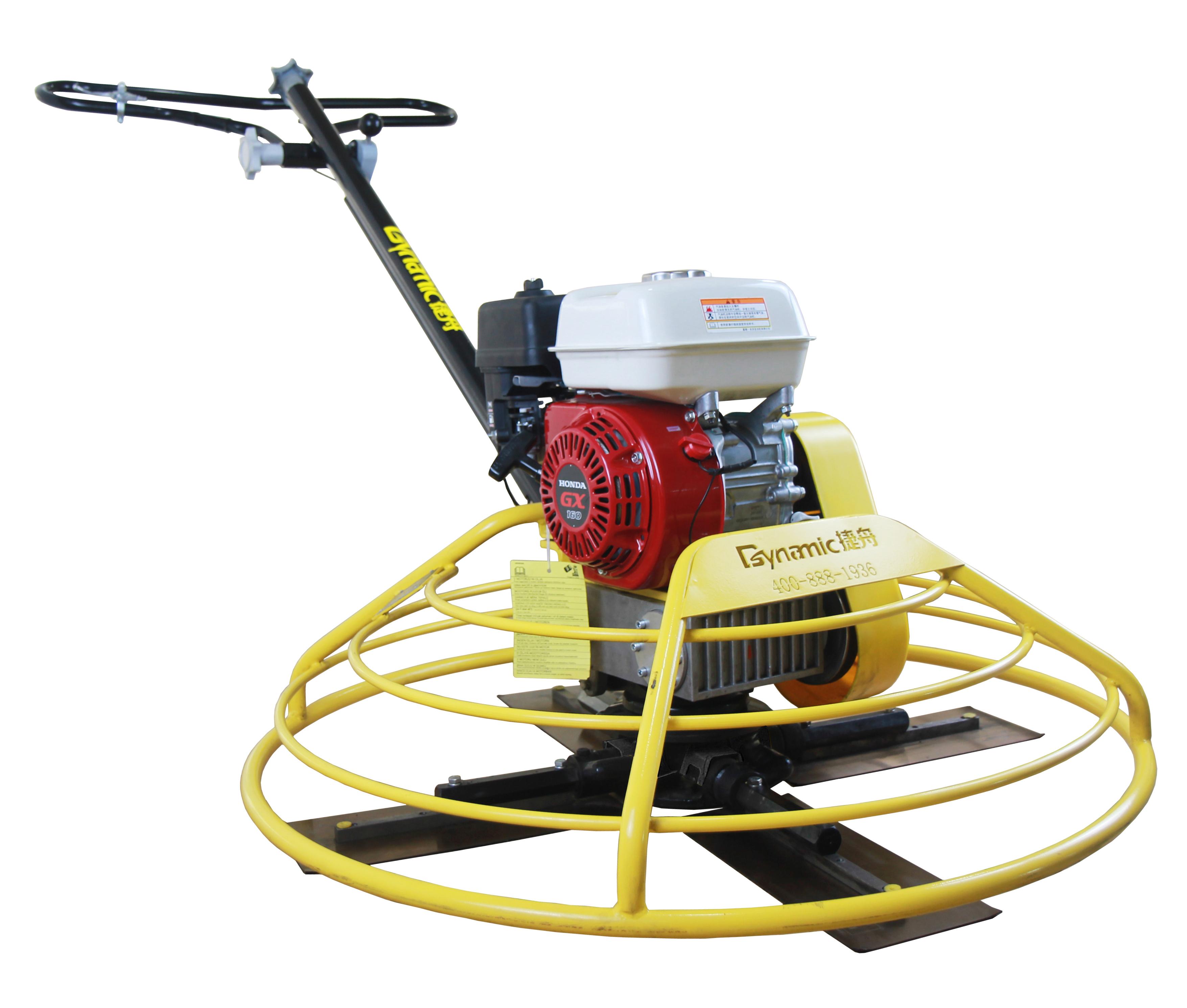
Peeling back the layers of a factory's credentials reveals far more than a handful of certificates on the wall. Real quality control isn't a badge you earn once—it's a living process that threads through every department. The most telling signs often surface in the places no one thinks to look: how raw materials are tagged and stored, whether maintenance logs are actually filled out in real time, or how a line operator reacts when a defect crops up mid-shift. These unscripted moments lay bare whether standards are truly ingrained or simply staged for an audit.
Beyond ISO banners and third-party audit reports, we dig into the gritty details that separate consistent performers from those who just look good on paper. A factory that tracks its own defect data obsessively, maps trends, and shares findings openly usually has a far healthier quality culture than one relying solely on final inspection. We watch how corrective actions are implemented—are they quick patches to close a report, or do they spark retraining, tool recalibration, and a genuine hunt for root cause? The difference is glaring once you know what to observe.
Ultimately, dependable quality control rests on a mix of transparent systems and accountable people. The best factories treat their inspection protocols not as a filter to catch mistakes, but as a feedback loop to prevent them. They invest in their workforce not because a standard demands it, but because they understand that a skilled, respected team catches what checklists miss. In our evaluations, we don't simply tick boxes; we piece together a narrative from the shop floor up—one that tells you whether a facility is merely compliant or quietly exceptional.
Navigating Customization Options Without Overcomplicating Orders
Offering too many choices can quickly overwhelm customers and lead to decision fatigue, so the goal is to strike a balance between flexibility and simplicity. Instead of presenting every possible variation upfront, group related options into intuitive categories that make sense for the product. For example, if you sell made-to-order furniture, bundle wood type, finish, and hardware into a single “style package” rather than listing each variable separately. This reduces cognitive load and helps customers feel they are making a single meaningful choice rather than juggling dozens of micro-decisions.
Think of customization as a guided path rather than a blank canvas. Use conditional logic to show only options that are relevant to earlier selections, which prevents incompatible combinations and keeps the ordering process tidy. For instance, if a customer picks a certain fabric, only display the thread colors that complement it, instead of a full palette. This not only eliminates confusion but also communicates that you’ve thoughtfully curated the possibilities, which builds trust and makes the experience feel personalized without being complicated.
Finally, always test your customization flow with real users to spot areas where they hesitate or backtrack. One common error is expecting customers to visualize the final product from abstract descriptions alone. Where possible, add simple visual previews—such as dynamically updated icons or color swatches—so they can confirm choices at a glance. Small touches like a summary sidebar that lists their selected specs with thumbnail images can further reduce anxiety, making the entire process feel seamless and surprisingly effortless.
Logistics and Lead Times That Won't Derail Your Project
Lead times on paper almost never match reality. A supplier might quote four weeks, but that rarely accounts for material shortages, quality rejections, or a backlog at the port. Instead of banking on best-case scenarios, pad your schedule with a buffer that reflects the messy truth of global logistics. Call your vendors and ask not just for the production window, but for the last three actual shipment dates—you'll often spot a pattern that’s far more honest than the sales pitch.
The real risks often hide in the handoffs between steps. One missed container slot can cascade into a two-week delay, especially if your freight forwarder is juggling too many clients. Map out every touchpoint—factory floor, trucking to port, customs clearance, final-mile delivery—and assign a realistic range, not a single date. When you know which legs are volatile, you can prep alternatives, like keeping a small local safety stock for critical components.
Don’t treat lead times as a static variable that only procurement owns. Embed them into weekly project stand-ups so the whole team understands the domino effect of a delayed shipment. Visual reminders, like a physical board showing where materials are in transit, make the abstraction tangible. When everyone from engineering to installation can see the clock ticking, decisions get made faster—and the project stays on track without frantic, last-minute heroics.
Pricing Pitfalls and How to Spot Genuine Value
Price tags don’t always tell the full story. Sometimes a low upfront cost masks hidden fees, lower quality materials, or short-lived performance that ends up costing more in the long run. On the flip side, a high price isn’t an automatic guarantee of superiority. The real trick is learning to separate fluff from substance—looking past the marketing sheen and zeroing in on what actually delivers lasting satisfaction.
One common trap is assuming that features you’ll never use somehow justify a premium. Brands love to load products with complex extras, but more often than not, simplicity holds greater value. Ask yourself whether each component serves a genuine need in your daily life. If a product boasts a dozen functions but only two matter to you, those extra bells and whistles are just padding the price.
Genuine value reveals itself over time. Pay attention to warranties, repairability, and the community around a product—these are quieter signals that a company stands behind what it sells. Read reviews with a critical eye, filtering out the extremes, and try to touch and feel an item whenever possible before committing. Value isn’t about spending the least; it’s about making sure every dollar works hard for you.
Building Lasting Partnerships with Overseas Suppliers
Genuine partnerships with overseas suppliers aren't built on transactions alone—they grow from shared goals and consistent, open communication. When you treat a supplier as an extension of your own team, rather than just a vendor, you invite a level of collaboration that can spark innovation and resilience. Regular check-ins that go beyond order updates, transparent feedback loops, and a willingness to navigate cultural nuances all signal that you're invested in the relationship for the long haul. This approach often leads to preferential treatment during crunch times, early access to new capabilities, and a mutual commitment to solving problems before they escalate.
Trust is the invisible architecture that holds these relationships together. It’s earned by honoring commitments—paying on time, providing clear specifications, and avoiding abrupt changes that strain the supplier’s operations. But it also means showing loyalty when things go sideways. If a production hiccup occurs, rather than defaulting to blame, work side by side to understand the root cause. Perhaps a raw material shortage caught them off guard, or a miscommunication slipped through. By tackling setbacks as allies, you create a partnership that's flexible enough to absorb shocks and strong enough to adapt. This depth of trust can transform a supplier from a simple source into a strategic advantage.
The most durable connections also allow room for personal rapport. While professional boundaries matter, taking a few minutes to acknowledge a supplier’s local holiday, remembering a key contact’s professional milestones, or even sharing a coffee over a video call can create bonds that survive market fluctuations. When global dynamics shift—tariffs, logistics snarls, or demand spikes—these human connections make it easier to renegotiate terms, prioritize your needs, or jointly explore new paths. It’s not about extracting value; it’s about building an ecosystem where both sides grow steadily, grounded in respect and a shared vision for the future.
FAQ
A walk-behind power trowel is a piece of construction equipment used to create a smooth, durable finish on freshly poured concrete slabs. The operator walks behind the machine, guiding rotating blades over the surface. It's commonly used for finishing floors in warehouses, residential garages, commercial buildings, and any large flatwork area where a polished, hard-troweled finish is required.
Sourcing directly from a factory eliminates middlemen, which often means significant cost savings—sometimes 20-40% less than dealer prices. You also gain the ability to customize machine specs, packaging, and branding to match your market needs. Plus, direct factory relationships often lead to better after-sales support and more flexible order terms once trust is established.
Start by checking platforms like Alibaba or Made-in-China, but go beyond the listings: request video tours of the production line, verify certifications like ISO 9001, and ask for references from clients in your region. A factory that willingly shares detailed production processes, quality control checkpoints, and past export records is usually a safer bet. Don't shy away from hiring a third-party inspection service for an unbiased evaluation.
Pay close attention to the engine brand and horsepower—Honda, Briggs & Stratton, or Loncin are common. Check the gearbox quality, blade material thickness and diameter, and the overall frame rigidity. Also examine safety features like the dead man's switch and blade guard design. A thicker, reinforced spider assembly often indicates a machine built for long-term commercial use rather than occasional rental duty.
Request a sample unit for evaluation—most factories are willing to sell one at a negotiated single-unit price. During the sample review, run it under real job-site conditions if possible. Also, ask for batch quality control documentation: in-house pressure testing for gearboxes, blade balance reports, and paint adhesion tests. Factories with a dedicated QC team and a well-documented process are far more likely to deliver batch-to-batch consistency.
Most walk-behind power trowel factories set MOQs around 5-10 units, especially for standard models. However, if you're willing to accept a slightly higher per-unit price, many will agree to a trial order of 2-3 units. Payment terms can also be a lever—full upfront payment often opens the door to lower MOQs. For smaller businesses, look for factories that specialize in mixed-container loads or have flexible assembly lines.
Nail down the warranty coverage in writing—typical manufacturer warranties cover engine defects and major component failures for 12 months. Clarify who handles spare parts logistics: will the factory stock parts locally or ship from the main plant? Also set clear penalties for late delivery and agree on the exact spec sheet that will be used for third-party inspections. Language around intellectual property, especially if you're providing proprietary blade designs or branding, is equally critical.
Consolidate orders to fill a 20ft or 40ft container whenever possible—LCL (less than container load) shipments can eat into your margin. Work with a freight forwarder experienced in construction machinery; they'll handle customs documentation, fumigation requirements, and destination port charges. If you're ordering from Asia, factor in longer lead times during peak seasons and consider storing a safety stock locally to prevent job-site delays.
Conclusion
Sourcing walk-behind power trowels from overseas factories unlocks cost advantages but demands a grounded strategy. The global manufacturing base is concentrated in a few key regions where specialized plants blend traditional casting expertise with modern CNC machining. However, not all factories operate at the same tier—some cater to local markets with looser tolerances, while others consistently meet international standards. Digging into a factory's credentials goes beyond checking a business license. You'll want to verify in-house testing labs, the robustness of their ISO or equivalent quality management systems, and whether they maintain traceable records from raw material batches to final assembly. On-site inspections, either by your own team or via a trusted third party, remain the ultimate safeguard against surprises.
It's easy to get lost in the allure of endless customization options, but seasoned buyers know that simplicity often yields better results. Discussing modifications in clear, engineering-focused terms avoids misinterpretation and keeps lead times predictable. Speaking of lead times, realistic timelines depend on factory capacity, component availability, and seasonal demand shifts—factoring in buffer weeks and understanding local holiday schedules prevents schedule derailment. When evaluating pricing, the lowest bid rarely delivers genuine value. Instead, look at the total cost of ownership: warranty terms, spare parts availability, and the factory's ability to honor commitments without nickel-and-diming on changes. Beyond a single transaction, the most successful sourcing relationships evolve into partnerships, where open communication, regular factory visits, and a shared commitment to incremental improvement turn a supplier into a strategic ally rather than just a vendor.
Contact Us
Contact Person: Annie
Email: [email protected]
Tel/WhatsApp: 8613391442963
Website: https://www.dynamic-eq.com