

Waxed Cardboard Boxes We Recommend for Reliable Storage and Shipping
2026-09-13
When it comes to choosing packaging for storage and shipping, waxed cardboard boxes often get overlooked—but they shouldn't be. These boxes offer a level of moisture resistance and durability that standard cardboard simply can't match, making them a smart choice for everything from long-term warehouse storage to protecting goods during transit. At ShiTeng Packaging, we've tested countless options and narrowed down the waxed cardboard boxes that truly deliver on reliability. Whether you're dealing with humid environments, heavy loads, or just want peace of mind that your products arrive in pristine condition, our recommendations below are worth your attention. Here's what we found.
The Real Difference Wax Coating Makes in Humid Storage
Most people assume any protective film will do the job until they open a container in August and find a fine orange bloom spreading across bare steel. Wax coating changes that outcome not by adding thickness, but by altering how moisture behaves on the surface. Instead of clinging as a continuous film, water beads up and rolls away, taking dust and salts with it. That simple shift in contact angle means the metal spends far less time wet, which is what actually drives corrosion in a humid warehouse.
The difference becomes even clearer on machined surfaces and sharp edges, where paint tends to pull back and leave microscopic gaps. Wax settles into those recesses and stays flexible as temperatures swing. When warm humid air hits cold steel overnight, condensation forms. A waxed part lets that condensation pool harmlessly instead of wicking into joints or threads. Over weeks and months, this can avoid the kind of pitting that shows up only after the rust has already taken hold.
There is also the less obvious benefit of easier inspection. A dull, uneven wax film usually signals that moisture got underneath or that the coating was applied too thin in the first place. With many other coatings, the failure stays hidden under a smooth skin. That visibility lets storage yards catch problems before they turn into expensive rework, which in humid climates can be the difference between a part that ships clean and one that gets rejected at the dock.
How to Spot a Waxed Box That Will Split Under Pressure
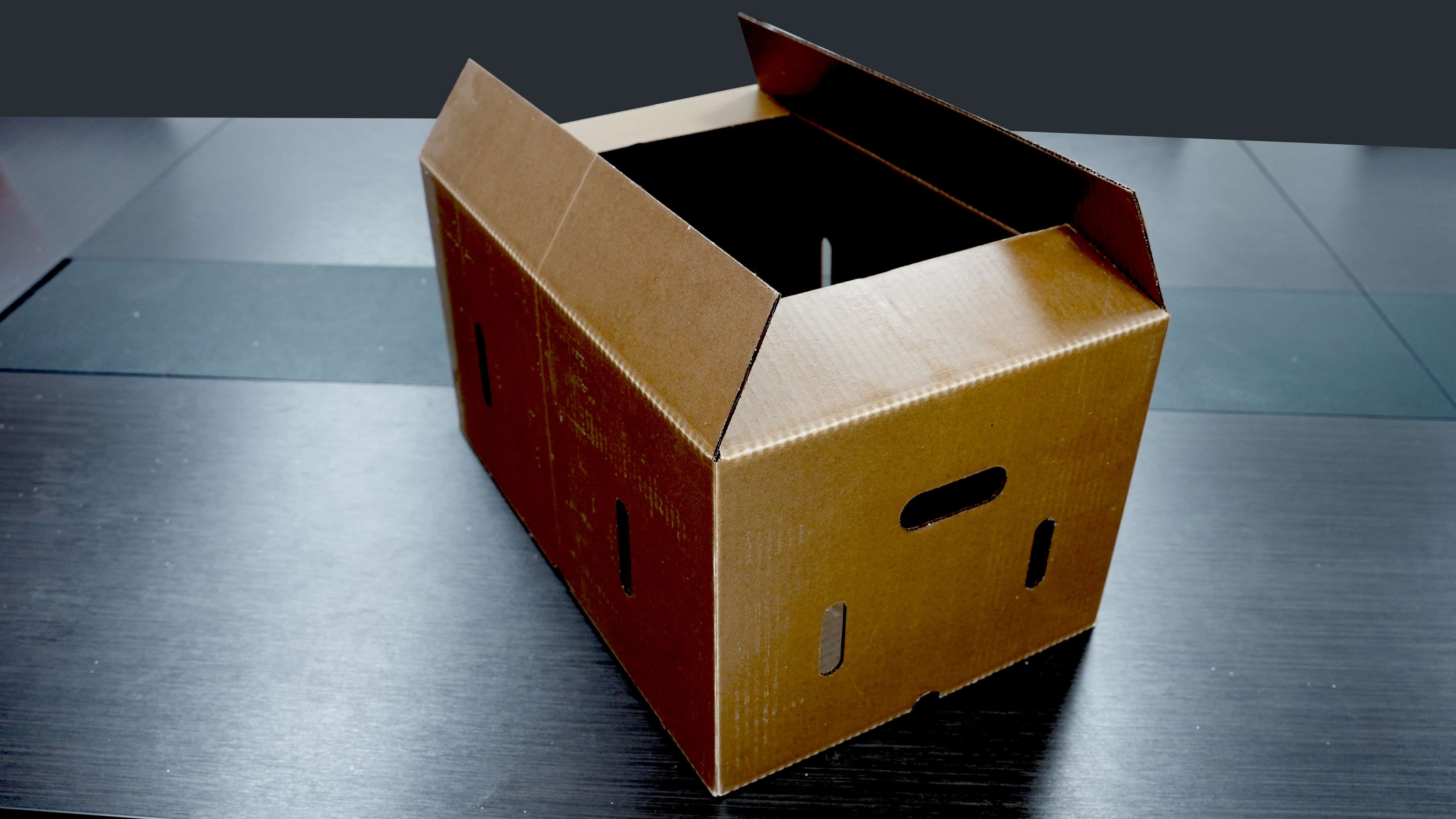
Run your thumbnail along the waxed surface near the score lines. If the coating flakes off in brittle chips or reveals pale, dry fiber underneath, it has cured too hard. A box that will split under pressure often shows a web of tiny cracks at the bend points before it fails. Press lightly on the side panels and listen for a faint crackling sound—that is wax separating from the board.
Check the manufacturer’s join or glue seam. A box that has been over-dipped will have a thick, uneven bead along the bottom flap. When you flex the corners, those beads turn white and snap instead of stretching. Look inside as well: if the wax soaked through unevenly, you will see blotchy translucent patches. Those weak spots split first under stacked weight.
Weight Limits and Stacking Methods for Long-Haul Freight
Every highway network enforces its own axle and gross vehicle weight caps, and long-haul carriers must balance these legal ceilings against the physical strain placed on trailers and load-bearing floors. Exceeding a state's limit by even a few hundred pounds can trigger fines, forced offloading, or equipment impoundment, so dispatchers often pre-plan routes around weigh stations and known enforcement corridors. The practical sweet spot sits well below the maximum allowed weight to account for fuel, driver gear, and unexpected cargo shifts during multi-day transits.
Stacking freight for extended highway runs is less about brute vertical height and more about distributing mass low and evenly across the trailer's length. Heavy pallets go on the floor, lighter cartons on top, and void spaces get filled with dunnage to prevent lateral sliding on curves or hard braking. One common mistake is placing all dense items over the rear axle, which creates a pendulum effect and wears suspension components prematurely. Instead, professionals calculate load per square foot and aim for a center of gravity roughly 60% forward of the trailer's midpoint.
Different cargo classes demand different stacking strategies. Non-stackable freight like machinery or crated glass requires floor loading with custom bracing, while uniform boxes can be cross-tied layer by layer to lock the stack into a single block. For mixed loads, using slip sheets between dissimilar items reduces friction damage and allows faster unloading at multiple stops. The goal is always the same: keep the trailer stable at highway speeds, protect the goods and the equipment, and avoid the costly reset that comes from a shifted or collapsed stack hundreds of miles from the nearest terminal.
Single-Wall vs. Double-Wall Waxed Cartons: A Practical Comparison
A single-wall waxed carton gets the job done when your product is light and the trip is short. The single layer of corrugated board keeps costs down, and the wax coating offers basic protection against moisture from condensation or light contact with ice. You'll see these used for leafy greens, berries, or baked goods that need to survive a few hours on a local delivery truck, not a week in a reefer container.
Double-wall cartons add a second corrugated layer, which changes the equation for heavy or high-moisture loads. The extra thickness resists crushing when pallets are stacked high in cold storage, and the wax barrier has more surface area to repel water before it soaks into the fibers. This makes a real difference with fish packed on ice, cut flowers, or frozen meat headed for export. The trade-off is obvious: you pay more per box and store more empty cartons, but you lose far less product to soggy bottoms or collapsed corners.
The practical rule is to match the box to the route and the pile height. If you're shipping apples across town in a climate-controlled van, single-wall saves money without a noticeable drop in quality. If those same apples ride a pallet through a humid port for two weeks, double-wall is cheaper in the long run because the cartons stay intact until they reach the shelf. Tally up your damage claims from the last three seasons and you'll quickly see which side of the line you're on.
When Cheap Boxes Cost More: Durability in Repeated Use
The initial price tag on a cheap box can be deceivingly attractive, especially for businesses or individuals who think they are saving money by cutting corners on packaging. However, when those boxes are put through the rigors of repeated use—whether in shipping, storage, or daily operations—their lack of durability quickly becomes a hidden expense. Corners split, flaps tear, and the structural integrity fails far sooner than expected, forcing users to replace them again and again.
This cycle of constant replacement quietly erodes any short-term savings. Each fail means lost time repacking items, potential damage to contents, and the need to order more boxes, often at a higher per-unit cost when urgent replacements are required. Over the course of a year, a business might go through three or four times as many cheap boxes as they would have with a slightly more expensive, well-constructed alternative, making the “cheap” option the costliest in the long run.
Durability in repeated use isn't just about surviving a single trip; it's about maintaining performance over dozens of cycles. A flimsy box that collapses on the third use disrupts workflows, damages customer trust if goods arrive battered, and forces operations to absorb inefficiencies that never appear on the initial invoice. When you factor in the true cost of replacement, labor, and potential product loss, the math becomes clear: paying a little more upfront for a box built to last through many uses is actually the more economical choice.
Our Recommended Waxed Cardboard Boxes for Wet and Chilled Shipments
Not all waxed cardboard boxes hold up once they meet melting ice or condensation. We've narrowed our picks to boxes with a heavier wax saturation on both interior and exterior faces, which keeps the corrugated core from turning soft mid-transit.
For chilled shipments, the best options have reinforced bottom flaps and tight-glued side seams so cold moisture doesn't seep through the corners. Our current shortlist includes single-wall boxes for light seafood trays and double-wall versions for heavier wet-packed produce or iced fillets. Each one has been tested with direct ice contact, not just damp air.
FAQ
Waxed cardboard holds up far better when condensation forms or surfaces get damp, so the boxes don't soften and collapse the way untreated cardboard often does in coolers or walk-ins.
Check the wax coating coverage and the box's burst strength. A full wax dip or heavy curtain coating keeps moisture from seeping in, while a higher burst rating means the walls won't buckle under the weight of packed greens or fruit.
Yes, most waxed boxes designed for shipping are built with reinforced corners and double-wall bases, so they can handle several layers of stacked product without losing their shape during a bumpy ride.
The wax treatment repels water and slows moisture absorption, so the boxes stay rigid even after sitting on wet floors or being loaded in the rain. They aren't fully waterproof, but they resist getting mushy far longer than plain corrugated.
You can often get a few uses out of them if they aren't torn or crushed, especially for dry goods. Just keep in mind that the wax coating can make them harder to tape shut after repeated handling, so inspect the flaps and corners before reusing.
Common options range from small one-piece produce flats to larger two-piece telescoping boxes and bulk bins. Sizes usually follow standard produce industry footprints, like 24 by 16 inches or 48 by 40 inches, with depths from a few inches up to 30 inches or more.
Most come flat and need simple folding or setting up the bottom flaps. The waxed surface can be slippery, so using gloves helps with grip, and a sturdy stapler or reinforced tape works better than standard packing tape on waxed surfaces.
They aren't ideal for very long-term outdoor exposure or full submersion. Also, because the wax interferes with recycling in many areas, you may need to check local disposal rules rather than tossing them in a regular cardboard bin.
Conclusion
Waxed cardboard boxes aren't all the same, and the coating does more than add a glossy finish. In humid storage, a proper wax treatment stops moisture from weakening the fibers, which keeps the box rigid instead of turning soft and saggy. But before you trust a stack, check the seams and score lines. A box that flexes too easily or shows cracking along the folds will split under pressure, especially once it absorbs even a little dampness. For long-haul freight, don't guess on weight limits. Look for boxes tested for vertical compression and use interlocking stacking patterns so the corners carry the load rather than the middle panels. Double-wall waxed cartons handle far more abuse than single-wall versions, but they also weigh and cost more, so match the box to the actual shipping conditions.
Plenty of cheap waxed boxes fail after one trip, and then you're buying replacements plus dealing with damaged goods. Repeated use matters if you're shipping wet or chilled products like produce, seafood, or floral stems. In those cases, a box with a heavier wax saturation on both interior and exterior surfaces will resist water absorption and keep its shape even when cold condensation builds up. We lean toward double-wall options for anything over about thirty pounds or for multi-stop routes, while single-wall works for lighter, short-distance loads. Before committing to a bulk order, run a simple test: pour a small amount of water on the surface and see if it beads or soaks in. If it beads and the seams stay tight after drying, that's a box worth keeping in rotation.
Contact Us
Contact Person: Mr. Ge Man
Email: [email protected]
Tel/WhatsApp: 8613710506492
Website: https://www.shitengzx.com