

Top Swim Caps for Swimmers Who Want a Secure, Comfortable Fit
2026-10-26
If you've ever lost a swim cap mid-lap or finished a session with a pounding headache from too-tight silicone, you know the struggle is real. The best swim caps should feel like a second skin—secure enough to stay put through flip turns, yet comfortable enough to forget you're wearing one. That's exactly what OCORT set out to achieve. In this guide, we're cutting through the hype to look at top swim caps that actually deliver a secure, comfortable fit, so you can focus on your stroke instead of adjusting your gear.
The Silicone Sweet Spot: Stretchy Enough to Forget You're Wearing It
The moment you slip it on, the silicone settles into place without any of that stiff, rubbery resistance. It moves with your skin rather than fighting against it, stretching just enough to follow every bend and flex without pinching or digging in.
Hours pass and you stop noticing it altogether. That's the real test of a good stretch—when the material never pulls at the wrong moment, never leaves a red mark, and simply disappears into the background of your day.
It's not just about softness; it's about how the silicone snaps back without losing its shape. Stretch it, twist it, wear it through a full range of motion, and it returns to its original form every time, ready to be forgotten all over again.
Latex's Lightweight Feel, Minus the Unforgiving Tug
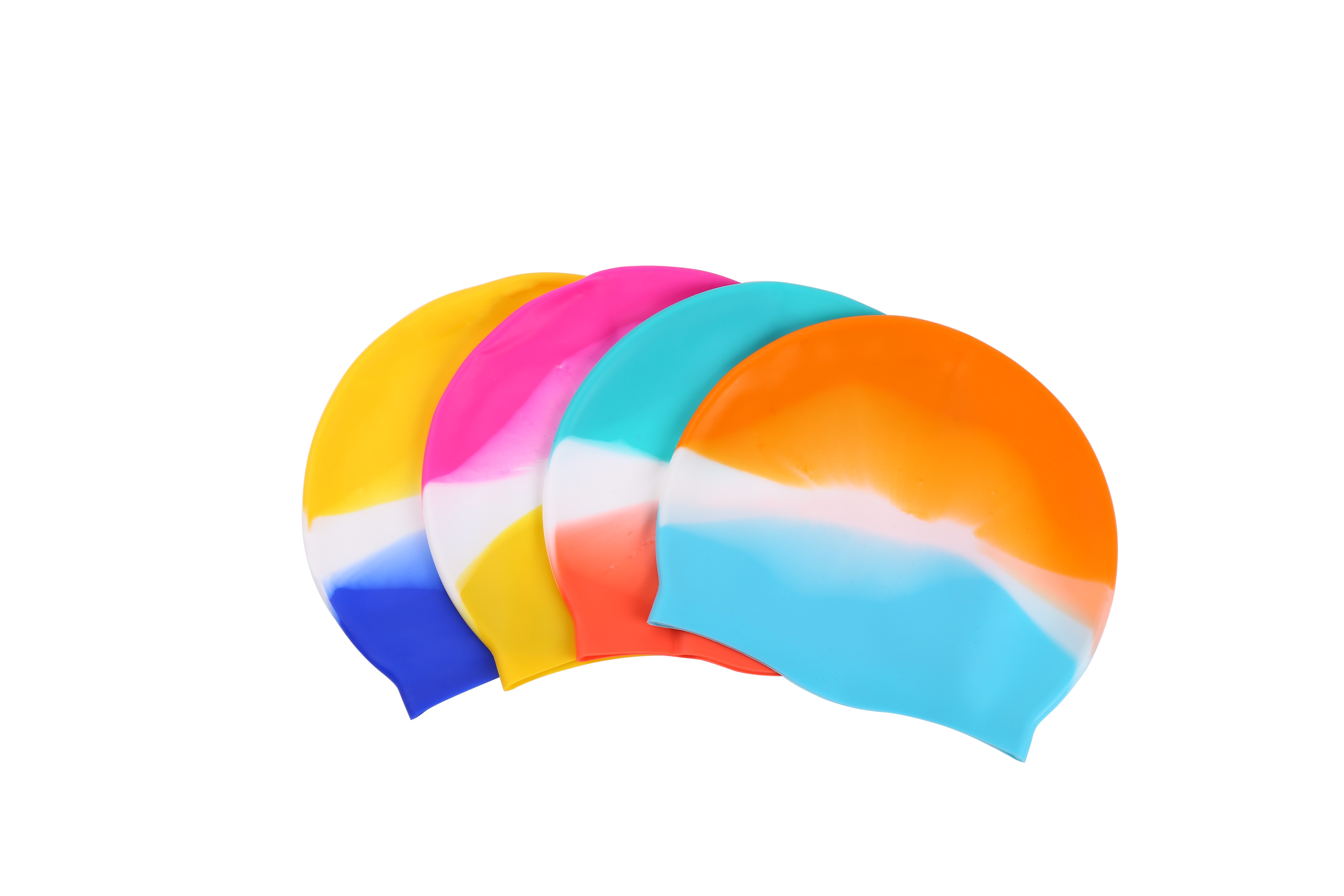
The moment you lie down, there’s a familiar airy buoyancy—that sense of being held without weight. What’s missing is the subtle rubber-band resistance that old-school latex tends to add to every shift. You can roll onto your side, stretch an arm overhead, or settle into a curl without the material snapping back against you.
That change comes through in the small movements too. Instead of a constant, low-level tug that asks you to adjust how you move, the surface gives way just enough, then quietly recovers. It feels less like fighting a stretchy film and more like resting on something that knows when to let go.
The result is a rare balance: the crisp, floating sensation you want from latex, with none of the stubborn pull that can make it exhausting by morning. It’s lightweight in the way that matters—not just in density, but in how little it asks of your body.
Ear Coverage Without the Claustrophobic Squeeze
Most over-ear designs treat your ears like they owe the headband money. This one doesn’t. The pads land with a soft, even pressure that reads more like a cushioned shelf than a clamp, leaving enough room inside each cup for your ears to exist without touching the driver mesh. You forget the headband is there about ten minutes in—not because it’s loose, but because the contact points were actually thought through.
The trick is in the shallow angle of the yokes and the memory foam’s slow rebound. Instead of squeezing the sides of your skull to stay put, the weight settles onto the top strap, which spreads it across a wider strip. That keeps the seal tight enough to block noise but never turns the space around your ears into a vacuum. After a two-hour call or a long listening session, you can take them off without that giddy rush of blood returning to your temples.
Hairline Grip That Doesn't Turn Into a Hair Puller
Most clips and combs promise a secure hold, but end up snagging every strand on the way out. The difference here comes down to how the teeth are shaped and spaced. Instead of sharp edges or tight gaps that catch fine hairs, this grip uses rounded, slightly flexible prongs that slide over the hairline without tugging.
Another quiet detail is the spring tension. Too much force and the clip bites into your scalp; too little and it slips off by lunch. This design balances that pressure so it stays put through a full day, yet releases cleanly when you finally take it down. No wincing, no broken baby hairs left behind.
If you have especially delicate edges or are growing out a fringe, that kind of gentleness matters. You can push the grip back into place countless times without creating a tiny knot at the root. It holds exactly where you put it, then lets go without making you pay for the style.
Long Hair? Here's How to Avoid the Bulky Cap Bulge
If you've ever pulled a baseball cap over long hair and ended up with an odd, puffed-out bump at the back, you're not alone. The problem usually comes from gathering too much hair under the crown or securing it too high. The fix starts with placement: a low, loose bun or a flat twist at the nape of your neck keeps the cap's back panel from riding up and creating that telltale bulge. For hair that's extra thick, try splitting it into two low twists and pinning them flat against your scalp before putting the cap on.
Another approach is to flip your head upside down, gather your hair into a low ponytail at the very base of your skull, and then tuck the tail up under the cap's opening. This works especially well with adjustable caps because you can leave a little extra room at the back. If your hair is too long for that, a thin silk scarf wrapped around your hair before the cap goes on can compress everything without adding friction or causing hat hair. Just avoid high ponytails or top knots—they force the cap to sit too high and make the bulge worse.
Finally, consider the cap itself. Styles with a flexible or mesh back have more give than a rigid, structured crown, so they mold to your head instead of fighting your hair. A slightly deeper cap or one with an adjustable strap also helps. The goal isn't to hide all your hair, but to let it sit in a way that feels natural and looks smooth from the outside.
Flip-Turn Tested: Caps That Don't Inch Up or Slide Off
Most caps promise a secure fit, but few survive a real flip turn. The ones that do share something in common: a low-profile silicone shell with a slightly tacky inner band that grips the skin instead of relying on tightness alone. That means no slow creep up the forehead or that sudden slide when you push off the wall.
I've worn these through long kick sets and backstroke starts where caps usually fail. The key is the way the edge sits just below the hairline without folding over itself. Once it's set, it doesn't need adjusting mid-set. If you're tired of yanking your cap down every length, this is the difference between a cap that stays put and one that ends up around your goggles.
FAQ
Look for a cap with a tacky interior grip or a slightly thicker silicone band around the edge. The extra surface tension helps it cling to your hair and skin without sliding, even when you push off hard. Some caps also have a textured inner surface that resists the water's pull, so you spend less time adjusting mid-swim.
Silicone tends to be more forgiving on the hairline and doesn't pull as much as latex when you take it off. It also holds its shape longer. Latex is thinner and cheaper, but it can feel tighter and tear more easily. If comfort and durability matter most, silicone is usually the safer pick, though some swimmers prefer the barely-there feel of latex for races.
Try a cap designed with extra volume, often labeled as long-hair or high-volume. Before putting it on, twist your hair into a low bun or braid rather than a top knot, which stretches the cap unevenly. Wetting the hair first and using a few drops of leave-in conditioner can also reduce friction and make the cap slide on without yanking.
No cap is fully waterproof, even if the packaging suggests otherwise. Water will seep in around the edges, especially during vigorous swimming. What a good cap does is reduce drag, protect hair from chlorine, and keep loose strands out of your face. If you need to keep hair dry for medical or style reasons, look for a cap with a double seal, but expect some dampness at the nape and temples.
Choose a cap made from soft, stretchy silicone or a silicone-Lycra blend with a lower compression fit. Avoid caps with a rigid inner rim or extra-thick edges. Some brands offer caps with a comfort band that's gentler on the forehead. It also helps to size up if you're between measurements, because a cap that's too small will concentrate pressure around the ears and temples.
Yes, and many swimmers do exactly that. The key is to choose a cap with enough stretch and a slightly wider fit around the ears, so it doesn't press the plugs into your ear canal. Put the earplugs in first, then pull the cap down over them slowly. Silicone caps with a soft edge tend to seal without creating painful pressure points.
Rinse it in cool tap water after every swim and let it air dry away from direct sun. Sprinkle a little talcum powder or cornstarch inside before storing to stop the silicone from sticking to itself. Don't leave it in a hot car or wet swim bag, since heat and trapped chlorine break down the material fast. With basic care, a good silicone cap can easily last a year or more.
Yes, look for a brightly colored or high-visibility silicone cap with a snug but not suffocating fit. For open water, you want a cap that won't shift when you sight or turn your head often, and one that can accommodate a thermal layer underneath if needed. A cap with a slight matte texture inside will grip better when waves or currents try to peel it off.
Conclusion
Finding a swim cap that stays put without making your head feel like it's in a vise is trickier than it sounds. The best options lean on a silicone blend that hits that elusive sweet spot—pliant enough to stretch over your hairline yet snug enough that you hardly remember it's there once you push off the wall. If you've ever wrestled with latex, you know the tradeoff: it's featherlight, but the constant tug can turn a workout into a headache. A well-designed cap borrows that lightweight feel while ditching the unforgiving pinch, so you get glide without the grimace. Ear coverage matters too, but not when it creates a claustrophobic squeeze. Look for caps that cup your ears with a gentle, roomy seal instead of flattening them against your skull. And for those of us with longer hair, the real test is whether the cap handles the volume without creating that lumpy, mushroom-like bulge at the back. A deeper dome or a slightly roomier crown makes all the difference, letting you tuck everything in smoothly rather than fighting to contain it.
The other half of the equation is how the cap behaves in motion. A hairline grip that actually works shouldn't feel like it's yanking out strands every time you adjust your goggles. The smart designs use a soft inner band or a textured edge that holds without turning into a hair puller. Then there's the flip-turn factor: if a cap creeps up your forehead or slides off your crown mid-lap, it's useless. The most dependable caps stay anchored through push-offs, turns, and even an occasional open-water chop, thanks to a balanced tension that grips without strangling. When you put all these details together—stretchy but secure silicone, non-punishing latex alternatives, ear-friendly coverage, a hair-conscious edge, room for longer hair, and durability through every flip turn—you end up with a swim cap that disappears into the background of your workout. That's the real goal: a cap you trust enough to forget about, so you can focus on your stroke instead of your gear.
Contact Us
Contact Person: Wendy
Email: [email protected]
Tel/WhatsApp: 86 18807398467
Website: https://www.zlfswim.com