

Top Storage Tank Solutions for Safe and Reliable Liquid Storage
2026-07-31
When it comes to storing liquids—whether water, chemicals, or fuel—the stakes are simply too high to settle for anything less than the best. A single leak or structural failure can lead to costly downtime, environmental hazards, and safety risks. That’s why choosing the right storage tank isn’t just a purchase; it’s a long-term investment in peace of mind. In this guide, we’ll walk you through the top tank solutions that blend durability, safety, and efficiency, helping you make a confident decision. At DYE, we’ve seen firsthand how the right tank transforms operations—and we’re here to share that insight with you.
Rethinking Tank Materials for Unmatched Resilience
For decades, the default approach to tank construction leaned heavily on traditional steel and concrete, materials prized for their brute strength but often undermined by corrosion, fatigue, and relentless maintenance demands. Pushing beyond these limitations requires a fundamental shift in how we evaluate material candidates, focusing not just on tensile ratings but on how a substance behaves under multifaceted, real-world stressors. Advanced composites, high-performance polymers, and novel alloy formulations are now being assessed for their ability to absorb impacts, resist chemical degradation, and maintain structural integrity across extreme temperature swings, effectively rewriting the resilience playbook.
The true measure of resilience often lies in a material’s capacity for self-preservation—how it handles micro-cracks before they propagate, or how it repels aggressive media without relying solely on barrier coatings. Engineered solutions like fiber-reinforced thermoplastics bring a dual advantage: inherent corrosion immunity coupled with damage tolerance that metallic alternatives simply cannot match. Meanwhile, duplex stainless steels are gaining traction for their optimized microstructure, which delivers a compelling balance of strength and pitting resistance, blurring the line between high performance and practical longevity. These choices reflect a deeper understanding that resilience is not a single property but an ecosystem of interacting characteristics.
Installation environment and lifecycle economics further refine the selection process, steering designers toward materials that lower total cost of ownership through extended inspection intervals and reduced failure risk. In offshore or seismic zones, for example, the elastic energy absorption of certain glass-reinforced plastics can outperform rigid steel shells, offering a graceful deformation mode rather than catastrophic rupture. This kind of rethinking discards the one-material-fits-all mindset, replacing it with a tailored strategy where the tank’s material DNA is matched to the specific threats it faces, yielding structures that endure far longer than their conventional counterparts.
Leak Prevention: Beyond the Basic Seal
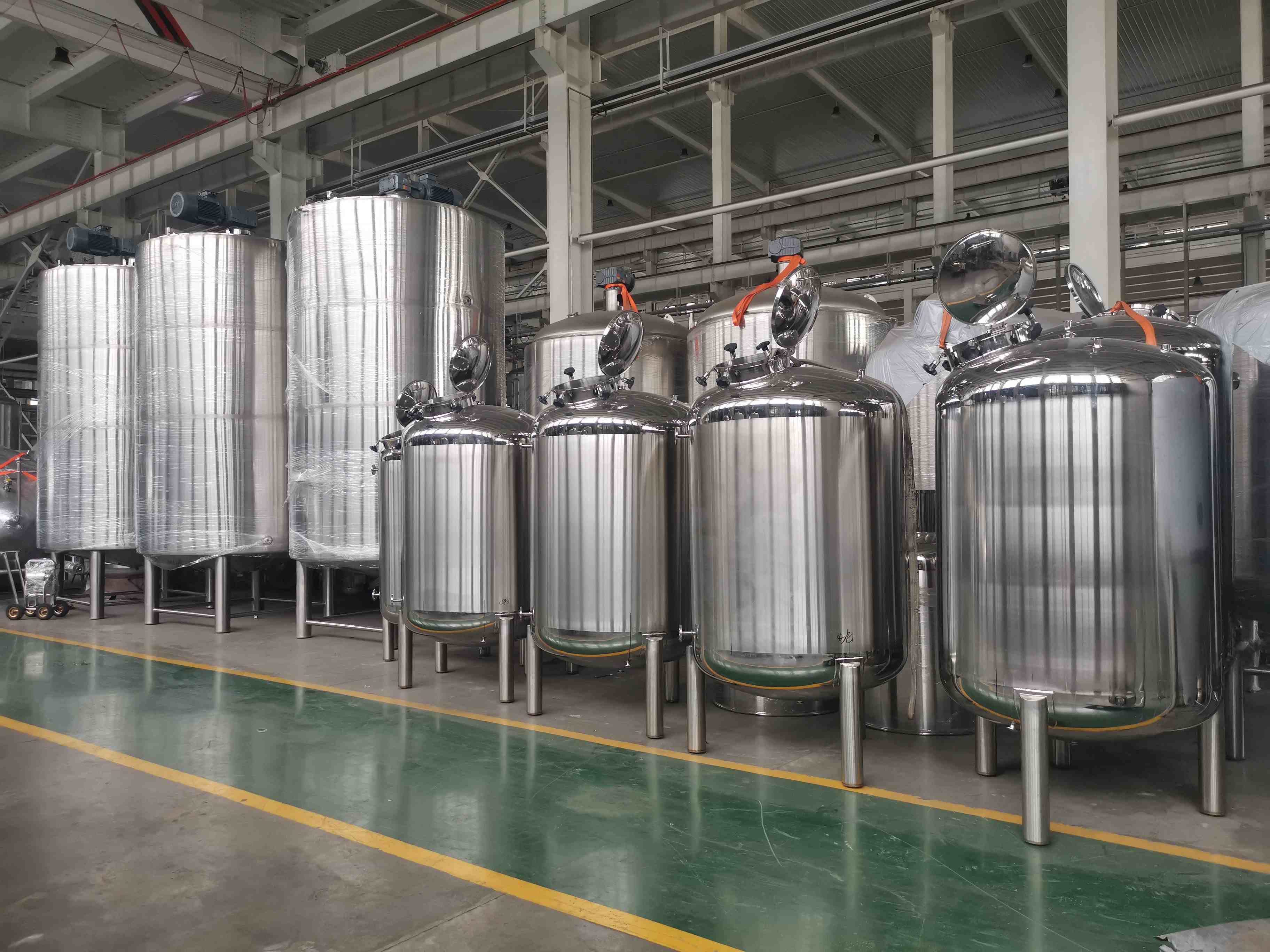
Gaskets and O-rings are just the starting point. True leak prevention demands a systems-level approach that accounts for thermal cycling, vibration, and chemical attack. Without this bigger picture, even the best seal will eventually fail.
Consider the subtle wear patterns caused by micro-motion. Over time, tiny shifts between mating surfaces can erode seal integrity, especially in high-pressure environments. Surface finish, bolt preload consistency, and flange alignment often matter more than the seal material itself.
Advanced techniques like live-loading spring washers or double-block-and-bleed arrangements provide layers of defense. Pair these with precise installation torques and regular ultrasonic inspections, and you move from reactive fixes to long-term reliability.
24/7 Eyes on Your Storage, Even When You’re Not
Your storage doesn’t have to be a mystery when you’re away. With constant, real-time monitoring, you’ll know exactly what’s happening with your files and data, whether it’s the middle of the night or during a busy workday. Instant alerts and activity logs keep you connected, even if you haven’t logged in for days.
Imagine having a vigilant guard that never sleeps, watching over every single item you’ve stored. This isn’t about checking in manually—it’s about having a system that actively observes and notifies you of any changes, access attempts, or unusual patterns. The moment something shifts, you’re the first to know, no matter where you are in the world.
Peace of mind comes from knowing that your storage is under constant surveillance, not by someone else, but by a smart, automated eye that works tirelessly. You can step away from your desk, turn off your phone, or go on vacation with full confidence that everything is being watched over. And if anything needs your attention, you'll get a nudge right away.
Storage That Fits Your Liquid Like a Glove
Most storage solutions treat liquids as an afterthought—rigid angles, wasted space, and awkward pours. Our system hugs every drop with a design that stretches and contracts to match your exact volume, leaving no air pockets or sloshing room. It’s not just a container; it’s a second skin for whatever you’re keeping safe.
Crafted from a material that seems to memorize each liquid’s behavior, it flexes under pressure but never loses grip. Pour in a cup or a gallon—the walls adjust in real time, making every milliliter accessible without tilting or shaking. You’ll notice the difference the moment you stop fighting for the last bits.
Beyond function, there’s a quiet elegance in how it sits on your shelf or in your bag, taking only the shape it needs. It sidesteps the bulk of standard bottles and the flimsiness of bags, giving you a durable, spill-proof vault that feels custom-made. Once you try it, the idea of a fixed-dimension vessel starts to seem a little absurd.
Maintenance Routines That Actually Work
The secret to a maintenance routine that sticks isn't about doing more — it's about doing less, but with intention. Instead of a sprawling checklist that leaves you overwhelmed, focus on a handful of non-negotiable tasks that genuinely move the needle. For most spaces, that means wiping down high-touch surfaces daily, doing a quick floor sweep every evening, and never letting dishes pile up. When you strip everything else away, these three habits handle the majority of daily mess before it becomes a weekend marathon.
One surprisingly effective shift is to stop treating cleaning as a separate chore and instead weave it into existing moments. Wipe the bathroom mirror while your face mask dries, scrub the shower while you're already in it, or declutter the coffee table during commercial breaks. These micro-habits feel almost invisible, but over a week they eliminate the need for designated cleaning time. The trick is consistency: same small action, same trigger, until it's just part of how you move through your home.
The real test of any routine is whether it survives a bad day, so build in flexibility from the start. A rigid schedule that collapses at the first interruption isn't doing you any favors. Instead, assign tasks to days but give yourself full permission to swap, skip, or scale back as needed. Missed laundry day? Throw in a quick load tomorrow and call it good. The goal isn't a perfect house; it's a system that bends without breaking, so you can reset without guilt and get back on track.
Sustainable Storage: Practical and Profitable
Shifting to sustainable storage isn't just a feel-good move—it’s a strategic way to cut costs while future-proofing operations. Companies that rethink how they store physical goods or digital data quickly discover that pragmatism and profit go hand in hand. Simple changes like switching to reusable containers, optimizing rack layouts to reduce unused space, or retrofitting warehouses with LED lighting and motion sensors start paying for themselves within months. For digital infrastructure, consolidating servers and adopting energy-efficient hardware slashes electricity bills without sacrificing performance. These actions aren’t expensive experiments; they’re grounded, measurable steps that make day-to-day business leaner.
The practical side often shows up in unexpected places. Take cold storage facilities, where a minor adjustment in setpoint temperature or the installation of high-speed doors can trim thousands from annual energy costs. In IT environments, embracing tiered storage—moving seldom-accessed data to lower-power media—reduces both heat output and cooling demands. The upfront investment is often modest, and the operational savings compound. Beyond energy, material choices matter: recycled steel shelving, biodegradable packing peanuts, and digital inventory systems that minimize overstocking all chip away at waste while keeping more cash in the bank.
Profitability emerges not just from lower bills but from stronger customer connections. A growing pool of consumers and business clients actively seeks partners who can demonstrate environmental responsibility. Transparent storage practices—whether it’s a data center powered by renewables or a warehouse that sends zero shipments in virgin plastic—become marketable assets. Many firms charge a modest premium for green logistics or use their sustainability story to win contracts. Meanwhile, employees and investors are drawn to companies with tangible commitments, boosting retention and share price. What starts as a practical storage overhaul quietly morphs into a durable competitive edge.
FAQ
The most common types include above-ground storage tanks (ASTs), underground storage tanks (USTs), and portable tanks. Within these categories, you'll find fixed-roof tanks, floating-roof tanks, and pressurized tanks. Each type serves different needs depending on the liquid being stored, the volume, and the site conditions. For instance, floating-roof tanks are often used for volatile liquids to minimize evaporation losses, while underground tanks are popular for fuel storage at gas stations due to space and safety considerations.
Safety starts with proper design and construction according to industry standards such as API 650 for welded steel tanks. Regular inspections are crucial, including ultrasonic thickness testing to detect corrosion, leak detection systems, and overfill protection. Secondary containment, like dikes or double-walled tanks, prevents spills from spreading. Additionally, training personnel in safe handling procedures and having an emergency response plan are key aspects of a comprehensive safety program.
The choice of material depends on the stored liquid's properties. Carbon steel is widely used for petroleum products due to its strength and affordability. Stainless steel offers excellent corrosion resistance for chemicals, food-grade liquids, and water. Fiberglass-reinforced plastic (FRP) is lightweight and resists corrosion from acids and caustics, making it ideal for aggressive chemicals. Concrete tanks are sturdy for large-scale water storage and can be built on-site. Each material has its trade-offs in cost, durability, and compatibility.
Linings and coatings act as a protective barrier between the stored liquid and the tank wall, preventing corrosion and contamination. For example, epoxy coatings are commonly used to protect steel tanks from rust when storing water or certain chemicals. In the food industry, inert linings prevent metallic taste from leaching into products. Properly selected and applied linings extend the tank's lifespan, reduce maintenance costs, and ensure the liquid remains pure. They are especially critical for tanks holding corrosive or high-purity substances.
You need to account for the liquid's chemical compatibility with the tank material, its flammability, and toxicity. Double-walled or integrally bunded tanks with leak detection are often mandatory. Venting systems must manage vapors safely, possibly with scrubbers or flares. The tank's location should comply with environmental regulations, maintaining safe distances from boundaries and water sources. Fire protection measures, such as foam suppression systems, may be required. Thorough risk assessment and adherence to codes like NFPA 30 are non-negotiable.
Regular maintenance catches small issues before they become major failures. Routine tasks include checking for corrosion, inspecting seals and gaskets, cleaning out sediment buildup, and testing cathodic protection systems for underground tanks. Scheduled recertification of pressure relief valves and leak detectors keeps safety systems functional. A well-maintained tank also operates more efficiently, avoiding leaks that lead to product loss and environmental damage. In the long run, proactive maintenance is far cheaper than emergency repairs or premature tank replacement.
Conclusion
Modern storage tanks have moved far beyond simple containment. The choice of materials—from advanced composites to corrosion-resistant alloys—can dramatically extend service life and reduce failure risks. Pairing these with smart leak prevention systems that go well beyond basic seals, such as double-walled designs and real-time sensors, creates a defense-in-depth approach. Combined with 24/7 remote monitoring, operators gain immediate awareness of pressure shifts or chemical changes, allowing rapid response even from afar. Effective maintenance routines, rooted in predictive analytics rather than fixed schedules, catch small issues before they escalate.
True reliability also means tailoring each tank to its specific liquid—whether it's a volatile chemical, food-grade product, or water—ensuring compatibility and long-term stability. This customization eliminates guesswork and reduces contamination risk. Finally, sustainable practices are no longer an afterthought; energy-efficient coatings, vapor recovery systems, and recyclable components cut both environmental impact and operating costs. By weaving all these elements together, storage solutions become safer, smarter, and more economical over their entire lifecycle.
Contact Us
Contact Person: Ada Xu
Email: [email protected]
Tel/WhatsApp: 0577-86806088
Website: https://www.dayuwz.com/