

Top Energy Drink Production Line Supplier: Key Factors for Seamless Beverage Manufacturing
2026-07-15
In the energy drink arena, every second of production counts. Yet behind every can that hits the shelf lies a complex dance of precision, speed, and hygiene—orchestrated by your production line supplier. It’s not just about meeting quotas; it’s about future-proofing your brand with seamless integration and innovation. INTOP Machinery has spent years mastering this balance, turning manufacturing challenges into competitive advantages. Before diving into the nuts and bolts, let’s explore the often-overlooked factors that separate a good line from a game-changing one.
Blueprinting a High-Octane Production Line from Scratch
Designing a production line that hums with precision from day one demands more than just bolting machines together. It starts with a ruthless audit of every step the product must undergo, questioning whether each movement, touch, or pause truly adds value. We map out material flows on paper first, using spaghetti diagrams to expose hidden inefficiencies before they become concrete. The goal isn’t just speed but rhythm—ensuring that every station pulses in sync, so bottlenecks evaporate before they can form.
The blueprint phase is where 80% of the line’s eventual performance is locked in. Instead of rigid, sequential planning, we deploy a modular mindset. Stations are designed as snap-in units that can be reconfigured overnight, letting us pivot as product designs evolve without tearing up the floor. We also embed data collection points from the very first conveyor roller, turning raw motion into metrics that tell us, second by second, where the line can tighten its belt.
Most builders obsess over what goes in—the robots, the tooling—but we obsess over what comes off. The blueprint includes a phase-gated simulation sprint where we digitally torture-test the layout with worst-case demand spikes, material shortages, and operator fatigue scenarios. Only after the virtual line proves it can flex without breaking do we break ground, ensuring the physical build is a calm, deliberate assembly rather than a firefight.
Why Precision Mixing and Carbonation Set Winners Apart
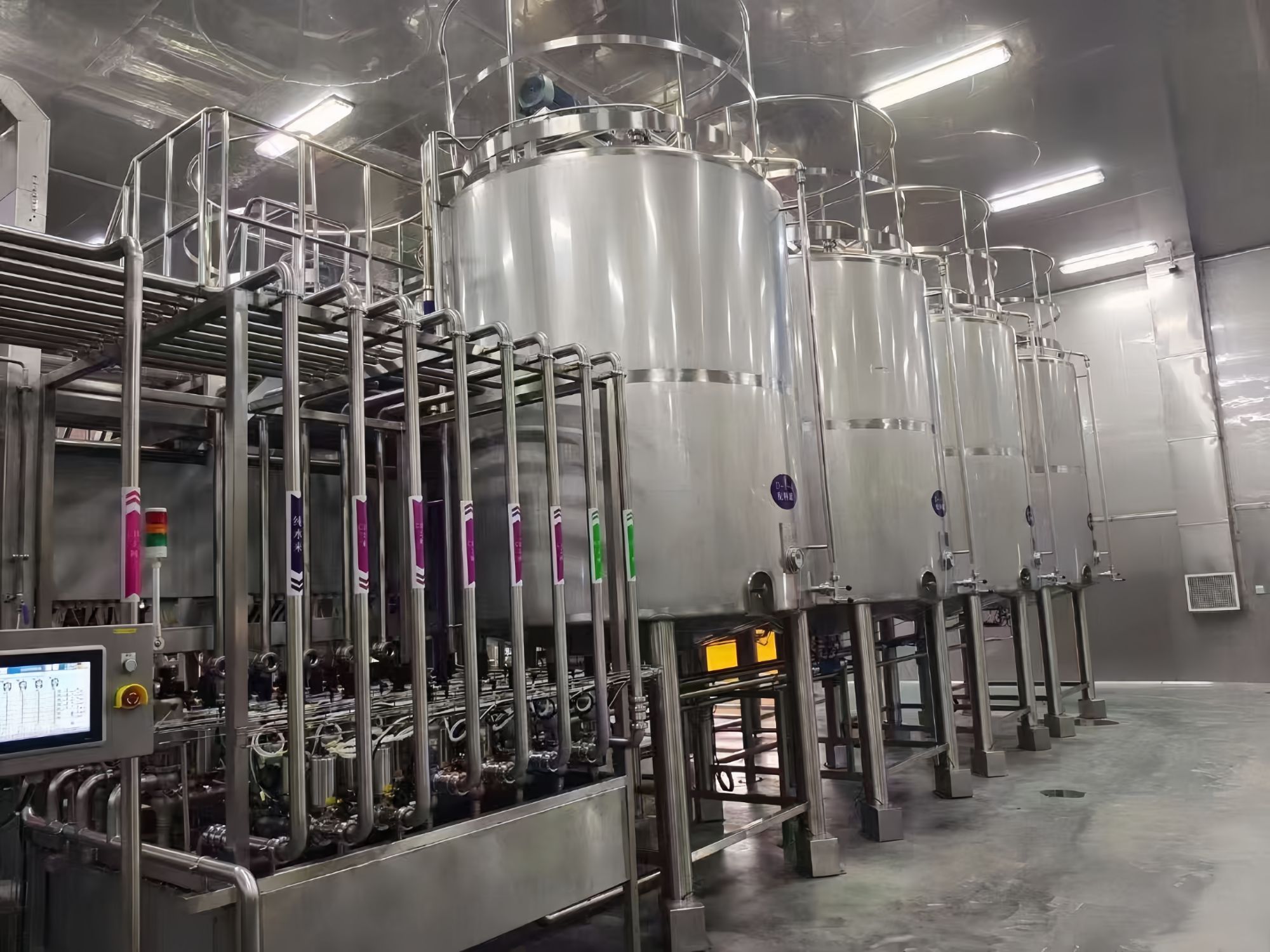
In the world of beverages, the subtle dance between mixing and carbonation often goes unnoticed, yet it’s the heartbeat of every sip. When ingredients are blended with surgical accuracy, flavors don’t just coexist—they unite, creating a seamless taste that feels intentional from the first drop to the last. This level of harmony isn’t accidental; it’s engineered by those who understand that even a one-degree shift in temperature during mixing can alter the entire profile.
Carbonation isn’t merely about fizz—it’s about texture, mouthfeel, and the way it carries aromatics to your senses. Precision carbonation ensures that each bubble is consistent, delivering a crisp, lively sensation that doesn’t overwhelm or fall flat. Winners in this space treat CO₂ not as a generic additive, but as a delicate ingredient that can either lift a recipe into brilliance or bury it in mediocrity.
The real differentiator lies in the obsession over these details while others cut corners. A mixer that gets the ratios exactly right, paired with carbonation calibrated to the specific viscosity and sugar content of the liquid, produces a drink that feels alive. It’s this refusal to settle for “good enough” that separates the forgettable from the iconic, letting the product speak for itself in a crowded market.
The Automation Edge: Smart Systems That Keep Cans Flowing
Modern canning lines rely on a network of sensors and adaptive controls that do more than just count units. These systems continuously monitor fill levels, seam integrity, and conveyor speeds, making micro-adjustments in real time to prevent jams and waste. It’s a level of attentiveness that human operators simply can’t match at scale, ensuring that every can moves smoothly from filler to palletizer without hiccups.
What truly sets these smart systems apart is their ability to learn from the line’s own rhythm. By analyzing data on vibration, temperature, and torque, they detect subtle shifts long before they become breakdowns. Motors can be recalibrated on the fly, worn parts flagged for replacement during scheduled downtime, and flow rates adjusted to accommodate variations in product viscosity—all without stopping production. The result is a line that seems to think ahead, keeping the cans flowing with minimal human intervention.
This edge isn’t just about speed; it’s about resilience. When an upstream disruption occurs—like a late delivery of lids or a sudden spike in demand—the system rebalances itself. Buffers are managed intelligently, and changeovers between can sizes happen in minutes rather than hours. In the end, it’s the quiet, constant optimization that keeps output high and downtime low, turning a simple conveyor into a truly intelligent flow.
Material Choices That Guard Flavor and Extend Shelf Life
Choosing the right materials for packaging isn't just about looks or cost—it directly impacts how long your product stays fresh and tasty. Materials that act as true barriers against oxygen, moisture, and light are the secret to locking in flavor. Glass and certain metals, for instance, naturally block out almost everything that can degrade food, while advanced plastics often get by with clever multi-layer structures. The key is matching the material's protective strengths to the specific sensitivities of what's inside.
Beyond basic protection, some materials actively work to keep flavors intact. Consider how amber glass shields delicate oils and beverages from UV damage, or how aluminum foil creates a complete seal against outside air. These aren't just containers—they're quiet guardians that hold off the gradual loss of aroma, the absorption of off-flavors, and the sluggish fade that happens when products sit on shelves. Every choice, from the type of closure to the inner coating, plays a part in extending that critical window of peak quality.
Flexible Design for Seasonal Buzz and Niche Market Swings
Brands often get caught off guard when consumer interest suddenly spikes around a new trend or a seasonal event. The key is building a visual identity that isn’t locked into a single rigid look. By keeping core elements like logos and primary colors consistent while leaving room for playful accents, you can quickly adapt store displays, social posts, or packaging without having to reinvent everything from scratch. It’s about creating a toolkit, not a straitjacket.
Niche markets shift fast, sometimes in ways no one predicted. A design system with modular components lets you rearrange and recombine assets to match these swings without losing brand recognition. Maybe you swap out a hero image or tweak a typographic accent to nod at a rising micro-trend. This kind of flexibility means you’re always ready to ride the wave, whether it’s a holiday rush or a sudden influx of interest from a subculture you hadn’t targeted before.
The real advantage comes from making these shifts feel natural to the audience. When a brand’s design adapts with a light touch, it doesn’t scream “marketing tactic.” Instead, it feels like the brand is simply in tune with what’s happening, which builds a deeper, more instinctive connection. Over time, customers start to expect that you’ll have something interesting to offer when the market moves, and they’ll keep coming back to see what’s new.
Building a Supplier Partnership That Prioritizes Your Growth
True growth stems from a supplier who sees beyond transactional exchanges and embraces your long-term vision as their own. We believe that a partnership built on mutual ambition means actively listening to your goals, then tailoring our processes, timelines, and innovations to align with your trajectory. This isn’t about offering a one-size-fits-all solution—it’s about co-creating a roadmap where your success metrics become our shared milestones.
What sets this apart is the commitment to transparency and adaptability at every turn. When challenges arise, we don’t hide behind contracts; we lean in with proactive problem-solving that keeps your momentum intact. Your growth isn’t an afterthought—it’s the core filter through which we evaluate our materials, capacity planning, and even the small daily decisions that accumulate into real competitive advantage.
Ultimately, this partnership becomes an extension of your own team—one that brings fresh perspective, deep market insight, and a relentless curiosity about what’s next for your industry. By embedding ourselves in your world, we’re able to anticipate market shifts and prepare you to meet them head-on, not just react. The result is a relationship that evolves with you, consistently elevating your potential without the friction of constantly renegotiating terms.
FAQ
In this high-speed market, it's not just machinery specs that matter. The best suppliers blend deep beverage know-how with flexible engineering, so your line can handle everything from carbonation levels to quirky can sizes without skipping a beat.
Smart line design and integrated automation are the real game-changers. When systems talk to each other, you can spot a hiccup before it happens, switch formats in minutes, and keep the rhythm going 24/7 with minimal human intervention.
It's the foundation. Beyond just stainless steel, look for designs with sloped surfaces, hidden nooks eliminated, and CIP systems that actually clean thoroughly. A supplier who treats sanitation as a core engineering principle helps you dodge recalls and protect your brand.
Energy drinks aren't all the same—some are highly carbonated, others are still, some have pulp or additives. A one-size-fits-all line can lead to foaming, inconsistent fills, or damage to sensitive ingredients. Customized fillers, mixers, and valves crafted for your exact recipe are what make the difference.
The best ones design lines with modularity and scalability baked in. You might start with cans and later want glass or PET, or ramp from 10,000 to 50,000 bottles per hour. A supplier who maps out expansion paths and leaves room for upgrades saves you from costly rip-and-replace later.
Beyond the warranty, it's about partnership. That means remote diagnostics that catch issues early, local service hubs for fast parts, and training that turns your team into experts. You want someone who sticks around to constantly tweak and optimize, not just install and disappear.
Water and energy use are huge on these lines. The leading suppliers now integrate water-saving rinsers, energy-recovery systems, and lightweight conveyor designs. It's not just greenwashing—it directly cuts your operational costs and aligns with tightening regulations.
Conclusion
Creating a top-tier energy drink production line demands a holistic vision that begins with meticulous blueprinting—every stage, from raw material intake to final packaging, must be orchestrated to maximize velocity without sacrificing quality. The heartbeat of the system lies in precision mixing and carbonation, where accurate dosing and controlled CO₂ infusion ensure each can delivers a consistent, invigorating taste and mouthfeel. This technical core is elevated by smart automation: real-time sensors and adaptive controls keep the line flowing seamlessly, slashing downtime and waste while safeguarding throughput. Equally vital are material choices; can linings, seals, and packaging substrates must act as guardians of flavor, blocking oxygen and light to extend shelf life and preserve the drink‘s crisp profile throughout distribution.
Yet technical prowess alone doesn’t make a production line exceptional—it must breathe with market rhythms. A flexible design enables rapid changeovers and modular expansions, letting brands pivot between seasonal flavors, limited editions, and niche trends without costly retooling. Underpinning all of this is a supplier partnership that goes beyond transactional machinery sales. The right collaborator embeds themselves in your growth strategy, offering engineering support, predictive maintenance insights, and a roadmap for scaling capacity in lockstep with your ambitions. Together, these factors forge a manufacturing ecosystem that not only outputs high-quality energy drinks at pace but does so with the resilience and agility to thrive in a fiercely competitive landscape.
Contact Us
Contact Person: Laura
Email: [email protected]
Tel/WhatsApp: +86 13957758832
Website: https://www.intopmachinery.com