

Professional Flame Retardant Fabric Solutions for High-Risk Industries
2026-09-25
Fire doesn’t negotiate, and in high-risk industries, the margin for error disappears in seconds. That’s why choosing flame retardant fabric isn’t about meeting a spec sheet—it’s about trusting that every thread will perform when the heat is on. At DROTEX, we engineer professional FR solutions that go beyond surface-level resistance, tackling the real-world abuse of oil, sparks, and repeated laundering. In this post, we’re cutting through the marketing noise to show you what separates reliable protection from a costly gamble.
Flame Resistance That Doesn't Quit
Most flame-resistant fabrics rely on a chemical finish that slowly washes away. This one doesn't. The protection is built into the fiber itself, so it can't be scrubbed off or worn thin. You get the same level of defense on day one and day five hundred.
We've put it through repeated industrial launderings, abrasion tests, and exposure to real-world sparks and slag. The char length stays well within safe limits, and the fabric refuses to ignite or melt. It doesn't just pass a single certification—it keeps passing, long after other materials would have given up.
For anyone working near arc flashes, open flames, or molten metal, that consistency matters. You're not constantly checking whether your gear is still protective. You just wear it, wash it, and trust it. That's what flame resistance that doesn't quit actually feels like.
High-Heat Zones, Zero Compromises
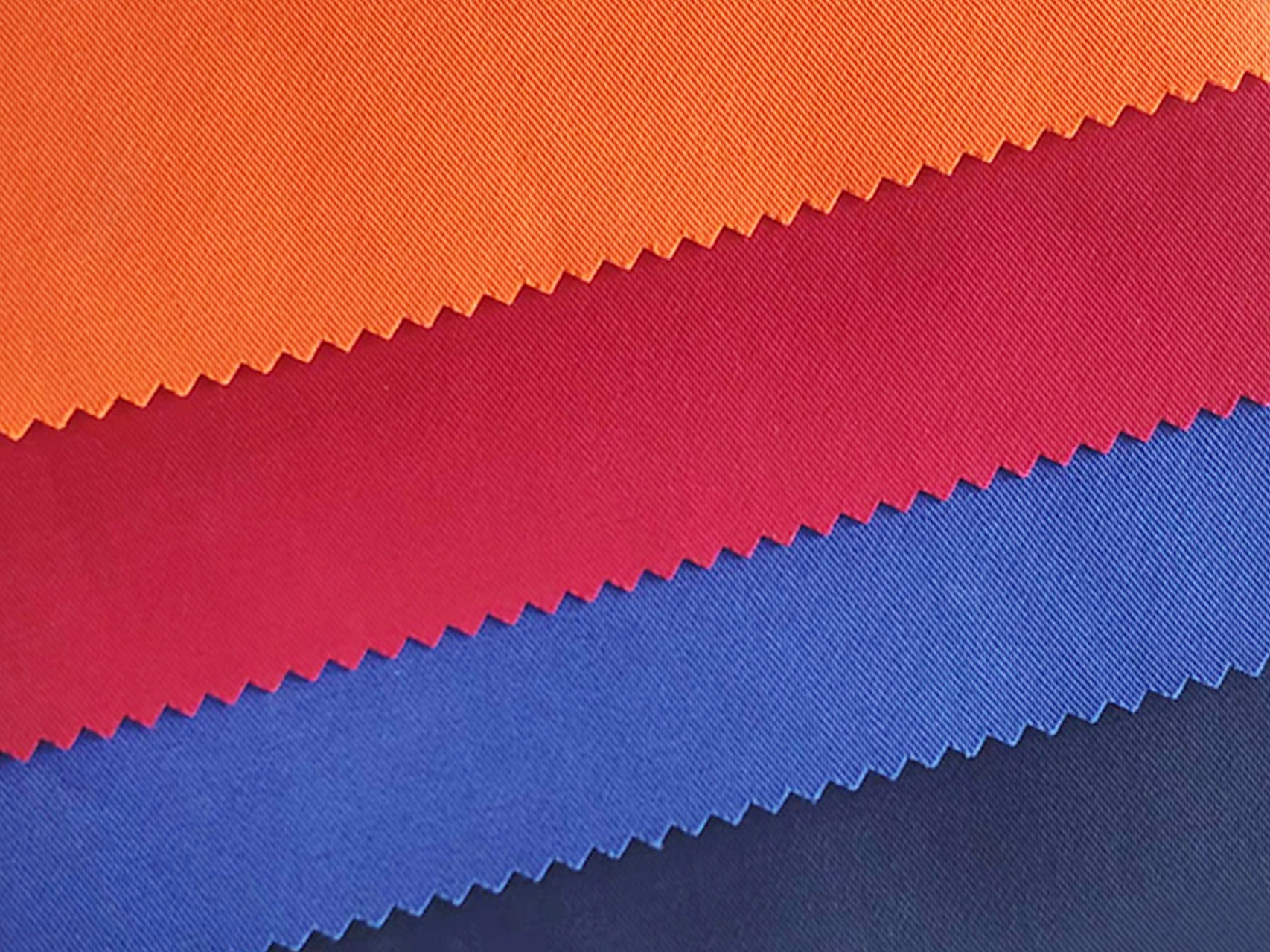
When the heat cranks up, most materials start to bend, soften, or quit. That’s exactly where this design refuses to blink. Every surface engineered for high-heat exposure gets treated like a critical failure point—because it is. The result isn’t just tolerance; it’s a kind of stubbornness that holds shape, grip, and response long after the thermometer says you should have backed off.
Zero compromises means no dialing back the load, no special handling, no “cool-down laps” just to protect the hardware. From seal edges to load-bearing cores, each piece earns its place by surviving repeat cycles at temperatures that turn competitors brittle or soft. You’re left with one less variable to manage—and a lot more confidence when the real heat arrives.
Standards Aren't Optional. Neither Is Comfort.
A real standard isn't a suggestion you can skip on a busy day. It's the quiet promise behind every stitch, every fastener, every edge that meets your skin. If a product can't hold its shape after repeated use, it hasn't earned a place in your routine. The same goes for comfort: you shouldn't have to choose between something that works and something that feels good. Discomfort is a signal, not a sacrifice.
That's why we test materials against real movement, not just lab sheets. Fabrics are pulled, stretched, washed, and worn until they prove they can handle daily life without turning stiff or scratchy. Seams are placed where they won't dig in. Adjustments are kept simple because the last thing you need is a complicated fit. Comfort isn't a layer added at the end; it's built into the geometry of the design.
The result is gear that disappears into your day. You reach for it without thinking, confident it will perform the same in the afternoon as it did in the morning. No breaking in, no settling for less, no quiet irritation you learn to ignore. Standards and comfort aren't competing priorities. They're the same decision made over and over.
Layered Defense: The Science Behind the Weave
A single sheet of high-strength fiber can stop a slow-moving projectile, but it often fails against high-velocity threats because the energy arrives faster than the material can spread it. Weaving changes this equation by creating a lattice of load paths that crisscross the surface. Each crossover point acts like a tiny node where stress is redirected, forcing the impact energy to travel diagonally, longitudinally, and through the thickness instead of punching straight through. The weave pattern itself becomes the first line of defense—not by being rigid, but by being deliberately deformable.
Layering multiple woven sheets exploits a subtle mechanical advantage. The outermost layer begins to fail in a controlled way, blunting or flattening the projectile tip and consuming some kinetic energy through fiber breakage and friction. The middle layers then stretch and delaminate, turning the remaining energy into tensile work over a wider area. The innermost layer, woven at a slightly different angle or density, catches the residual deformation and limits back-face bulging. This graded response means no single layer has to absorb everything; the defense is distributed in space and time.
What makes the weave scientifically interesting is the role of friction between yarns. If the fibers slide too easily, the projectile parts them like water and passes through. If they grip too tightly, the fabric behaves like a brittle sheet and cracks. Optimal weave density keeps just enough inter-yarn friction to engage neighboring threads, pulling more material into the fight while still allowing the controlled sliding that dissipates heat and mechanical energy. It is this balance between mobility and cohesion that gives a woven layered shield its surprisingly high energy absorption per unit weight.
From Molten Metal to Open Flames: Matching Fabric to Threat
Not all thermal hazards behave the same way, and neither should the fabrics meant to protect against them. Molten metal splashes deliver a sudden, localized punch of intense heat that can cling to surfaces, while open flames expose material to sustained combustion and radiant energy. A fabric that shrugs off a splash of molten iron might still catch fire too quickly in a flash fire. Matching fabric to threat starts with understanding how heat is transferred, for how long, and whether the material will melt, drip, or continue burning once the source is removed.
For molten metal exposure, surface properties and thermal mass do a lot of the work. Heavy, tightly woven wool or FR-treated cotton blends tend to shed small splashes before they burn through, especially when the fabric has a smooth finish that prevents metal from sticking. Open flames, however, demand more than just weight. Fibers like aramids, modacrylics, or FR viscose resist ignition, won't melt onto skin, and self-extinguish when the flame goes away. The way a garment is layered and the air gaps between layers often matter as much as the fiber content itself.
Field-specific testing exposes the difference. A fabric that passes a vertical flame test may still fail under molten metal splash conditions, and vice versa. The real skill isn't finding one miracle material—it's matching the entire fabric system to the most probable threat on the job, then verifying performance under those conditions rather than assuming a single FR label covers every scenario.
Built for the Worst Day, Worn Every Day
Most hard-use gear sits in a closet waiting for a disaster that never arrives. This was built on a different idea: if a jacket can handle a collapsed roof, it should also survive a Tuesday commute. The fabric resists tears and water without turning into a plastic shell, and the cuffs are cut so they don’t catch on seat belts or door frames. After a year of daily wear, it still looks less tired than cheaper options after a month.
That daily familiarity matters more than any spec sheet. When a sudden storm floods the streets or a trail turns into mud, you don’t have to guess how the zipper behaves with cold fingers or whether the pockets will keep a phone dry. You already know, because you’ve used them a hundred times on ordinary days. The break-in period is over before the emergency even starts.
The result is equipment that earns its place by being useful now, not by promising to be useful later. It gets scuffed, washed, and thrown over the back of a chair. On the worst day, it doesn’t feel like borrowed armor. It feels like your own jacket, just doing what it has always done.
FAQ
Oil and gas extraction, electrical utilities, welding and metal fabrication, firefighting, chemical processing, and molten metal handling all depend on FR fabrics. In these settings, a flash fire or arc flash can happen in seconds, so the fabric must self-extinguish rather than continue burning against skin.
The fibers are engineered to interrupt the combustion cycle. When exposed to heat, some release non-flammable gases that dilute oxygen near the fabric, while others form a char barrier that insulates the wearer. The key is that once the ignition source is removed, the material stops burning almost immediately.
It depends on the fiber type. Inherent FR fabrics, like aramid or modacrylic blends, keep their protection for the life of the garment because the flame resistance is built into the polymer chain. Treated cotton or cotton-nylon blends can lose effectiveness if washed with chlorine bleach or hard water minerals build up, so following the care label is critical.
Look for NFPA 2112 for flash fire protection, NFPA 70E for arc flash, and ASTM F1506 for textile performance in electrical applications. In Europe, EN ISO 11612 covers heat and flame, while EN 61482 addresses arc protection. A legitimate supplier will provide test reports from independent labs rather than just a certificate.
Yes, but the process requires specialized dyes and finishing methods. High-visibility lime or orange shades are common, and some manufacturers can add reflective tape or company logos through heat transfers that won't degrade the FR finish. Always confirm that the final garment, not just the raw fabric, has been tested to the relevant standard.
Inherent FR fabrics use fibers that are naturally resistant to ignition, such as aramids, polybenzimidazole, or modacrylics. Treated FR fabrics start with a base like cotton or rayon and are chemically treated to resist burning. Inherent options tend to last longer and offer better protection, while treated options are usually softer and lower cost.
Avoid fabric softeners, chlorine bleach, and starch. These can coat fibers or break down the FR chemistry. Wash in warm water with a mild detergent, dry on low heat, and inspect for holes, fraying, or contamination from flammable substances. Many facilities use an industrial laundry service that tracks wash cycles and performs regular testing.
Conclusion
In high-risk industrial environments, flame resistant fabric cannot be treated as a generic checklist item. It must hold up against repeated thermal exposure, molten metal splash, and sudden arc flashes without losing integrity after laundering or hard wear. The real measure is not a single lab test but how the material behaves after months on the job: char length stays short, afterflame time stays at zero, and the fabric still breathes through high-heat zones. Comfort is not a luxury layered on top of protection; it is part of the standard. Workers who overheat or fight stiff, heavy cloth will take shortcuts, so the fabric must manage moisture and allow movement while meeting NFPA 2112, NFPA 70E, or EN ISO 11612 requirements. That means engineered blends and careful weave construction that lock in performance instead of relying on topical treatments that wash out.
A layered defense approach recognizes that no single fabric handles every threat equally. The weave geometry, fiber selection, and weight must be matched to the hazard: tight twills for welding spatter, high-tenacity ripstops for arc flash, and tightly constructed knits for molten metal deflection. The science inside the fabric is what separates a truly protective garment from a costume. On the worst day, when flames are close and heat is immediate, the fabric must buy time and reduce burn injury without cracking, shrinking, or igniting. But it also has to feel like normal workwear on every ordinary day before that. Durability, color fastness, and ease of care are not afterthoughts; they determine whether the gear stays in rotation. The right fabric solution is not chosen once and forgotten. It is specified, tested, and trusted for the specific risks of each job.
Contact Us
Contact Person: Sandy
Email: [email protected]
Tel/WhatsApp: 86150 8310 5120
Website: https://www.frdrotex.com