

Professional Explosion Proof Electric Heater: Ultimate Safety and Efficiency Guide
2026-07-22
When safety meets innovation, heating solutions transcend basic functionality. In hazardous environments, a professional explosion proof electric heater isn't just an appliance—it's a critical safeguard. This guide uncovers how cutting-edge design achieves ultimate safety and efficiency, redefining reliability for industrial needs. Discover the expertise of Shenzhou Chemical Industry, where precision engineering meets uncompromising protection.
The Hidden Engineering Behind Explosion-Proof Heaters
Most people see explosion-proof heaters as rugged metal boxes that get warm, but the real ingenuity lies where few ever look. Inside, every potential ignition source is isolated with obsessive care. Wiring is encased in thick-walled conduits, connections are sealed with flame-proof potting compounds, and the heating element itself is designed to run far below its auto-ignition temperature even under fault conditions. It’s this layered isolation that transforms a simple heater into a safety device.
Temperature control isn’t left to a single thermostat—redundant sensors and liquid-filled capillaries actively limit surface heat. If one system fails, a secondary mechanical cutout trips well before the casing reaches dangerous temperatures. This over-engineering creates multiple safety locks, each independent and each tested to extremes that go beyond any normal operating scenario. The result is a device that won’t start a fire even when everything around it is trying to.
Materials also play a surprisingly quiet role. Corrosion-resistant alloys, ceramic-encased elements, and the precise selection of gaskets and sealants keep flammable gases from ever finding a hot surface. Engineers meticulously profile every joint and flame path, ensuring that if a gas does sneak inside, any internal flash cools below the ignition point before it can propagate outward. This isn’t just heating—it’s controlled thermodynamics hidden in plain sight.
Decoding Safety Standards for Hazardous Area Heating
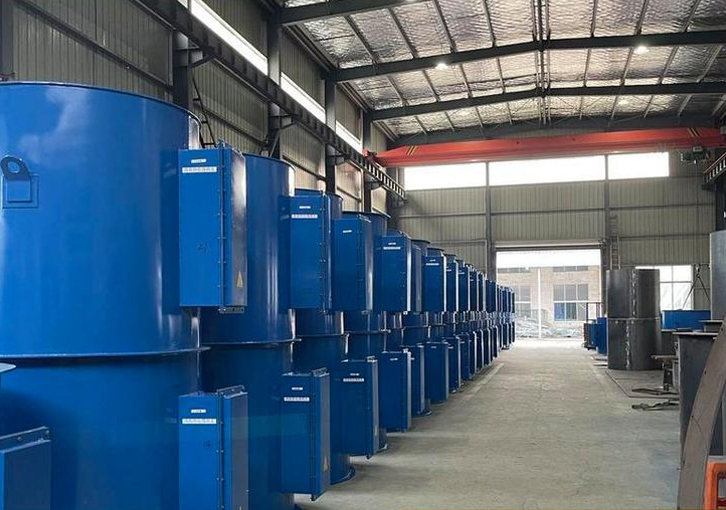
When it comes to operating in hazardous environments, heating equipment can't be an afterthought. The explosive potential of gases, dusts, or fibers means every component must comply with rigorous safety standards. These regulations are not just bureaucratic hurdles; they are lifelines that prevent catastrophic failures. Understanding the core principles behind these standards is the first step toward designing systems that protect both personnel and facilities.
The landscape of hazardous area standards varies by region, but they all share a common goal: controlling ignition sources. Certifications like ATEX (used in Europe) and IECEx (international) define how equipment should be designed, tested, and marked. Meanwhile, the North American approach follows NEC guidelines, which classify areas into classes and divisions. Each framework demands specific temperature limits and enclosure types to ensure that even under abnormal conditions, the surface of a heater won't ignite the surrounding atmosphere.
Putting theory into practice means going beyond simply selecting certified components. It involves a systematic assessment of the installation environment, ongoing maintenance routines, and a deep understanding of the interplay between temperature, pressure, and material compatibility. The real-world application of these standards often reveals gaps that paperwork alone can't cover. Field conditions, aging infrastructure, and unforeseen operational changes all require constant vigilance and a culture of safety that standards attempt to encode.
Rethinking Efficiency: How Advanced Heaters Cut Energy Waste
Traditional heating systems often operate with a one-size-fits-all mindset, blasting warmth into every corner regardless of actual need. This brute-force approach leads to significant energy waste—overheating unused rooms, losing heat through poorly insulated ducts, and cycling on and off inefficiently. Advanced heaters flip this script by embracing precision: they deliver heat exactly where and when it’s needed, dramatically reducing the gap between energy consumed and comfort delivered.
At the heart of this efficiency revolution are technologies like inverter-driven heat pumps and smart zoning controls. Unlike conventional units that run at full capacity and then shut off, inverter systems adjust their output in real time, maintaining a steady temperature with minimal power draw. Pair this with zoned heating, which allows independent temperature control in different areas, and the result is a system that adapts to your living patterns rather than wasting energy on empty spaces.
The impact goes beyond lower utility bills. By cutting out wasteful energy use, these heaters reduce strain on the electrical grid and decrease overall carbon emissions. For homeowners, this translates into a system that not only pays for itself over time but also aligns with a more thoughtful, sustainable approach to everyday comfort—one where efficiency is not an afterthought but a fundamental design principle.
Where Explosion-Proof Heaters Are Non-Negotiable
In oil refineries and gas processing plants, the air itself can become a silent threat. Even a minor temperature variation can trigger a catastrophic chain reaction when flammable gases or vapors are present. Here, explosion-proof heaters aren’t just a safety upgrade—they’re a fundamental requirement. Every component, from the heating element to the thermostat, is engineered to contain any internal spark or flame, ensuring that the surrounding volatile atmosphere remains undisturbed.
Chemical manufacturing facilities regularly handle volatile solvents, powdered metals, and reactive substances that demand absolute temperature control without ignition risk. Standard heating equipment simply doesn’t belong in these spaces. The meticulously sealed enclosures and specialized conduit connections of explosion-proof units create a fail-safe barrier, preventing the slightest energy release from interacting with hazardous air mixtures. It’s a layer of protection that becomes invisible until the moment it’s tested.
Beyond the expected heavy industries, critical settings like pharmaceutical cleanrooms, wastewater treatment plants, and grain processing elevators also stake their daily operations on this technology. Fine dust, biogas buildup, or sanitizing vapors can turn into explosive clouds under the wrong conditions. In these environments, the decision to use explosion-proof heating isn’t about compliance paperwork—it’s a deliberate choice to protect lives and prevent irreversible damage. The hardware fades into the background, quietly doing its job, day after day.
Factors That Make or Break Your Heater Selection
Picking a heater isn't just about grabbing the first box with a thermostat. The size of your room weighs in heavily—a tiny desk unit will barely tickle a drafty living room, while an overpowered convection giant can turn a small office into a sauna. Fuel type matters too: electric models are plug-and-play but can run up the meter, while gas heaters often deliver cheaper warmth if you already have a hookup. And don't overlook insulation; a well-sealed room retains heat better, so you won't need to overwork any unit.
Then there's the noise factor, which gets often ignored until you're stuck with a rattling fan that drowns out every conversation. Safety mechanisms are non-negotiable—auto shut-off and tip-over protection can save your home from a bad decision. Also, think beyond the thermostat dial: some heaters come with programmable timers and eco modes that genuinely cut down waste without leaving you cold at 3 a.m.
Budget plays a clever role here, but cheaper units often hide higher running costs in their fine print. Look at lifetime energy consumption, not just the price tag. A slightly pricier oil-filled radiator might sound like an overkill, yet it keeps radiating heat long after it cycles off, keeping your wallet happier long-term. Ultimately, the best heater disappears into the background—no fuss, no cold spots, no regrets.
Prolonging Heater Life in High-Risk Environments
High-risk environments push heating elements to their limits daily, whether from corrosive chemicals, extreme temperatures, or constant vibration. The key to longevity lies not in a single fix but in a layered defense. Start by matching the heater's sheath material to the specific hazards present—Incoloy for oxidative atmospheres, stainless steel for mild corrosives, or even exotic alloys when conditions turn exceptionally aggressive. A misapplied jacket can fail within weeks, but the right choice often lasts for years.
Beyond material selection, installation practices tip the scales. Ensure even heat transfer by eliminating air gaps with properly fitted thermowells or clamping mechanisms. Over-tightening can deform the element, creating hot spots that accelerate burnout, while loose fittings invite moisture ingress and corrosion. Electrical connections demand equal attention: use sealed terminal enclosures with adequate strain relief, and in wet or dusty settings, specify NEMA-rated housings to keep contaminants at bay.
Finally, operational discipline bridges the gap between expected and actual lifespan. Ramp-up rates should be gradual to avoid thermal shock, and temperature controllers must be tuned to minimize cycling frequency—frequent on-off switching induces fatigue in resistive wires. Schedule periodic inspections to catch early signs of sheath discoloration or insulation breakdown, and where possible, deploy redundant heaters at reduced loads. A 20% derating can sometimes double the heater's service life in the toughest spots.
FAQ
An explosion-proof electric heater is designed to operate safely in environments where flammable gases, vapors, or dust are present. It’s built with a rugged enclosure that can contain any internal sparks or flames, preventing them from igniting the surrounding atmosphere. You’ll find these heaters in oil refineries, chemical plants, paint booths, grain silos, and wastewater treatment facilities—anyplace where standard heating equipment could pose a serious fire or explosion risk.
The safety centers on containment and temperature control. The housing is constructed to withstand an internal explosion, if one were to occur, without rupturing. All electrical components are sealed away from the hazardous environment. Additionally, built-in thermal cutoffs and precise thermostats keep surface temperatures well below the ignition point of nearby substances, eliminating the possibility of accidental ignition.
Professional grade means it meets industrial standards for durability, performance, and compliance. These heaters undergo rigorous testing and certification processes to ensure they can handle continuous use in demanding settings. They feature heavy-duty materials, advanced control options, and more precise heating elements that offer consistent output and longer service life compared to consumer or light-commercial units.
Yes, and that’s a key design requirement. High-quality explosion-proof heaters use corrosion-resistant materials and sealed electronics to withstand moisture, chemicals, and extreme temperatures without losing performance. Many also include smart thermostats and insulated housings to optimize energy use, ensuring you get reliable, efficient heat even in the toughest conditions.
Look for recognized marks like ATEX, IECEx, or UL Class I/II/III ratings. These certifications confirm the heater has been tested to international safety standards for hazardous locations. In North America, CSA or FM approvals are also common. Always verify the certification matches your specific hazard class, division, and gas/dust group to ensure full compliance.
Sizing involves calculating the heat loss of the area—factoring in insulation, ambient temperature, and ventilation. A professional will consider the minimum outdoor design temperature for your region and determine the wattage needed to maintain a safe, stable indoor temperature. Oversizing can waste energy, while undersizing leads to cold spots and potential process issues, so precise load calculations are critical.
Regular inspections are essential. Check for dust or debris on the enclosure, inspect seals and gaskets for integrity, and verify that all electrical connections remain tight and corrosion-free. Functional testing of thermostats and over-temperature safety devices should be done periodically according to manufacturer guidelines. A documented maintenance schedule helps catch minor issues before they compromise safety or efficiency.
Conclusion
Professional explosion-proof electric heaters combine meticulous engineering with rigorous safety protocols to deliver reliable heat in environments where flammable gases, vapors, or dust are present. The hidden engineering behind these units involves flameproof enclosures, precise temperature control, and specialized materials that prevent ignition sources from reaching the outside atmosphere. By decoding safety standards like ATEX, IECEx, or NEC guidelines, one can understand how heaters are certified for specific hazardous zones, ensuring that every component from the heating element to the terminal box is designed to contain any internal explosion and cool escaping gases. Advanced models also rethink efficiency, using optimized heat transfer designs and intelligent controls to cut energy waste while maintaining precise temperatures – a critical factor when heating processes must remain stable and safe.
In many industries, such as oil and gas, chemical processing, and mining, these heaters are non-negotiable because an unprotected heat source could catalyze a catastrophe. Selecting the right unit involves carefully assessing factors like the area classification, temperature requirements, corrosion resistance, and load density – a single oversight can compromise safety or performance. Once in operation, extending heater life in high-risk settings relies on proactive measures: regular inspection of seals and wiring, monitoring for hot spots, and following strict maintenance intervals. A well-chosen and diligently maintained explosion-proof heater not only safeguards personnel and assets but also delivers long-term reliability, proving that safety and efficiency can coexist when engineering is driven by real-world demands.
Contact Us
Contact Person: Mr. Wang
Email: [email protected]
Tel/WhatsApp: 8613705299955
Website: https://vip.e-baixing.com/szhgyw