

Power Transformer by ODM: Key Innovations and Applications for Modern Energy Solutions
2025-12-28
In the rapidly evolving landscape of modern energy solutions, power transformers play a pivotal role in ensuring efficient electricity transmission and distribution. As industries and societies strive for sustainability and reliability, innovations in this field are more crucial than ever. This blog delves into the key advancements and practical applications of power transformers by ODM, highlighting how these technologies are shaping the future of energy. At the forefront of these developments is Lugao, a brand dedicated to engineering excellence and cutting-edge solutions. By exploring the latest innovations, we aim to showcase how ODM's transformers and Lugao's expertise are not just meeting current demands but also setting new standards for tomorrow's energy grids. Join us as we uncover the transformative potential of these technologies and why they matter for businesses and communities alike—stay tuned to learn how you can leverage these advancements for a smarter, more resilient energy future.
Advanced Materials and Enhanced Durability in Power Transformers
The quest for more resilient power transformers has driven significant innovations in material science, particularly through the development of advanced alloys and insulating composites. For instance, amorphous metal cores are increasingly replacing traditional silicon steel, offering up to 70% lower no-load losses and improved resistance to magnetic saturation, which directly translates into longer operational lifespans and reduced energy waste. These materials not only withstand higher thermal stresses but also exhibit superior mechanical properties, minimizing degradation from vibrations and environmental exposures.
Beyond core materials, enhanced durability is achieved through novel insulation systems like nanotechnology-infused papers and advanced polymer coatings. These solutions provide exceptional dielectric strength and moisture resistance, crucial for preventing catastrophic failures in harsh conditions. By integrating such materials, transformers can operate reliably in extreme temperatures and high-humidity environments, thereby extending maintenance intervals and lowering overall lifecycle costs without compromising safety.
In practice, the synergy between advanced materials and smart design—such as optimized cooling mechanisms and modular construction—fosters transformers that are not only more durable but also adaptable to evolving grid demands. This holistic approach ensures that modern power transformers remain robust against aging and unforeseen stresses, paving the way for a more stable and efficient energy infrastructure worldwide.
Smart Transformer Technologies for Real-Time Grid Monitoring
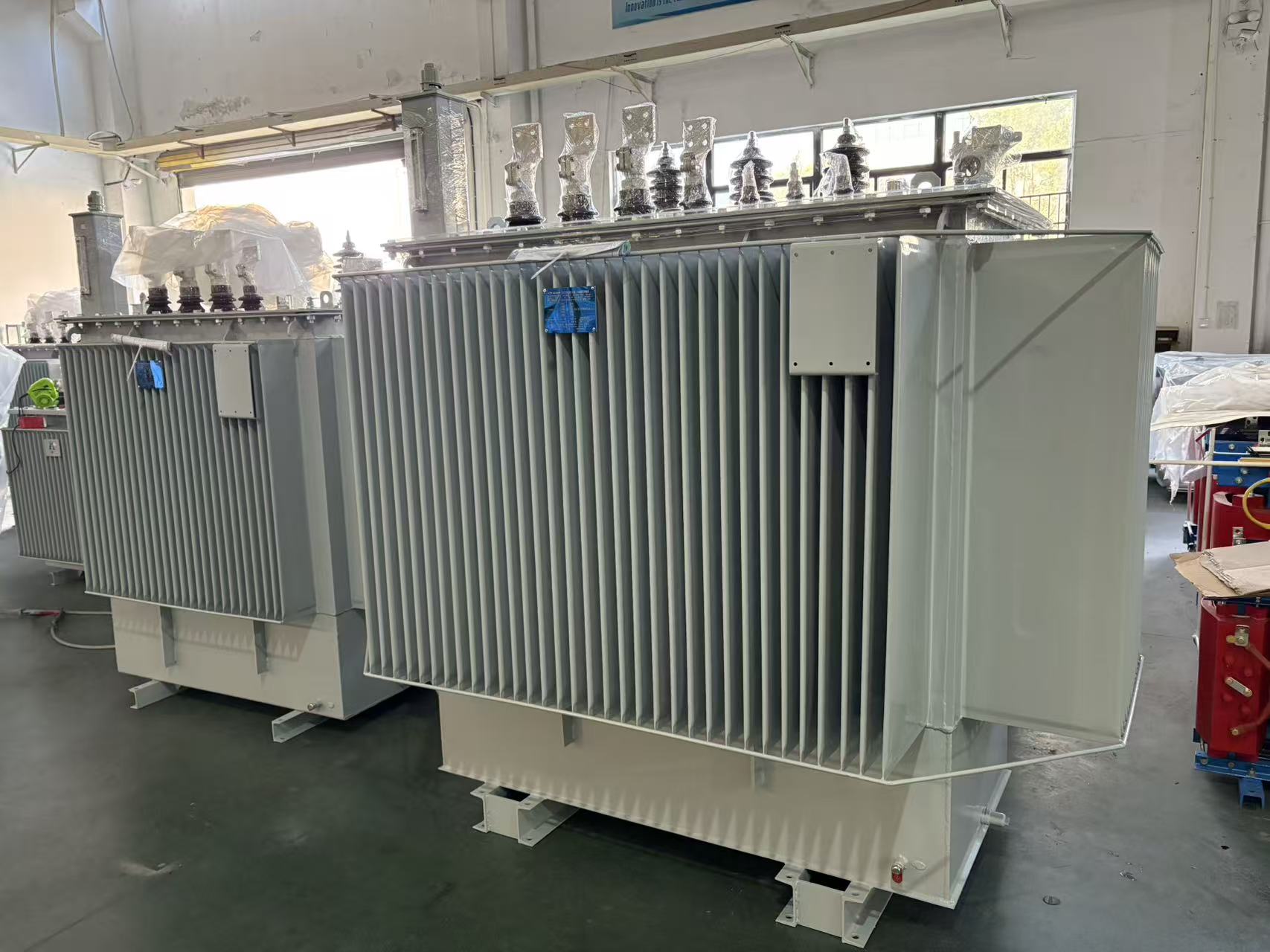
Smart transformer technologies are revolutionizing how we monitor electrical grids in real-time, offering a leap beyond traditional systems that often relied on periodic manual checks and delayed data collection. These advanced devices integrate sensors, communication modules, and data analytics directly into the transformer infrastructure, enabling continuous tracking of critical parameters like voltage, current, temperature, and power quality. For instance, by embedding IoT capabilities, they can instantly detect anomalies such as overheating or load imbalances, sending alerts to grid operators before issues escalate into costly outages or equipment failures. This proactive approach not only enhances reliability but also supports the integration of renewable energy sources by providing detailed insights into grid stability under fluctuating conditions.
What sets modern smart transformers apart is their ability to adapt and learn from grid behavior through machine learning algorithms, rather than just reporting static data. They can analyze historical patterns to predict potential faults or maintenance needs, shifting from reactive to predictive maintenance strategies that save time and resources. In practice, this means utilities can schedule repairs during off-peak hours, minimizing disruption to consumers and extending the lifespan of assets. Moreover, these technologies facilitate two-way communication with other grid components, like smart meters and substations, creating a cohesive network that optimizes energy flow and responds dynamically to changes in demand or supply. This interconnectedness is key to building resilient grids capable of handling the complexities of modern energy systems, such as electric vehicle charging or distributed generation.
Beyond traditional monitoring, smart transformer technologies are opening doors to innovative applications that enhance grid efficiency and sustainability. For example, they can support real-time demand response by adjusting transformer settings automatically to balance loads and reduce strain during peak periods, contributing to lower energy waste and emissions. Additionally, in regions prone to extreme weather or cyberattacks, these systems offer enhanced security features, including encrypted data transmission and fail-safes to isolate affected areas quickly. As utilities worldwide invest in grid modernization, adopting such smart solutions is becoming less of a luxury and more of a necessity to meet evolving regulatory standards and consumer expectations for reliable, clean power. Ultimately, these technologies empower operators to make data-driven decisions that foster a smarter, more responsive electrical infrastructure for the future.
Compact Design Solutions for Urban and Space-Constrained Applications
Living in high-density cities often means dealing with limited square footage, prompting designers to rethink how we use every inch. Compact solutions aren't just about shrinking furniture—they're clever integrations that serve multiple purposes without compromising style. For example, modular units can transform a small apartment from a workspace by day to a cozy lounge by night, blending aesthetics with practicality seamlessly.
Space-saving designs tackle real-world constraints, like narrow urban lots or tiny homes, by focusing on verticality and adaptability. Think fold-away desks, wall-mounted storage, or convertible sofas that maximize functionality. These innovations prioritize user experience, ensuring minimalism doesn't mean sacrificing comfort, and they're particularly valuable in fast-paced environments where flexibility is key.
Beyond residential spaces, compact solutions extend to public and commercial settings, such as pop-up retail or mobile offices in crowded areas. By incorporating smart materials and sustainable elements, these designs not only save space but also reduce environmental impact. Ultimately, they reflect a growing trend toward thoughtful, resource-efficient living that enhances urban life without overcrowding it.
High-Efficiency Transformers Reducing Energy Losses in Networks
Modern power networks are increasingly adopting high-efficiency transformers to curb energy losses, a move driven by the pressing need for sustainability and cost savings. Unlike older models that often waste electricity through heat dissipation, these transformers utilize advanced materials like amorphous metal cores and improved insulation, significantly boosting efficiency to over 99% in some cases. This isn't just a minor upgrade—it translates into substantial reductions in greenhouse gas emissions and operational expenses for utilities, making them a game-changer in grid management.
One standout feature of these transformers is their ability to handle fluctuating loads with minimal energy loss, which is crucial in today's dynamic energy landscape where renewable sources like solar and wind introduce variability. By maintaining high performance across different conditions, they ensure more reliable power delivery while slashing waste. This adaptability sets them apart from conventional designs, offering a smarter solution that aligns with the push for greener infrastructure without compromising on reliability.
Beyond technical specs, the adoption of high-efficiency transformers sparks a ripple effect in the energy sector. It encourages innovation in manufacturing and fosters partnerships between technology firms and grid operators, leading to more resilient networks. As communities worldwide strive to meet energy efficiency targets, these transformers serve as a critical tool, not just for cutting losses but for building a more sustainable future where every watt counts toward environmental and economic goals.
Customizable ODM Transformers Tailored to Specific Industry Needs
In today's fast-paced industrial landscape, off-the-shelf transformers often fall short of meeting the unique demands of sectors like manufacturing, healthcare, or renewable energy. Customizable ODM (Original Design Manufacturer) transformers address this gap by offering tailored solutions that align precisely with specific operational requirements. These transformers are engineered from the ground up, incorporating specialized materials, cooling systems, and voltage ratings to enhance efficiency and reliability in niche applications, ensuring seamless integration into complex infrastructures without compromise.
By collaborating closely with ODM partners, industries can leverage expert insights to design transformers that not only meet current needs but also anticipate future challenges. This proactive approach allows for features such as enhanced durability in harsh environments, optimized energy consumption, or compliance with stringent safety standards, providing a competitive edge that generic models simply cannot match. The result is a product that feels purpose-built, delivering superior performance and longevity while minimizing downtime and maintenance costs.
For instance, a company in the data center sector might require transformers with ultra-low noise levels and high power density to support 24/7 operations, while an agricultural business could benefit from ruggedized designs resistant to dust and moisture. Customizable ODM transformers empower organizations to specify every detail, from size and shape to advanced monitoring capabilities, making them a strategic investment rather than a mere component. This level of personalization ensures that each transformer not only functions optimally but also contributes to broader goals like sustainability and operational excellence.
Integration with Renewable Energies for Sustainable Power Systems
Integrating renewables like solar and wind into our power grids isn't just about adding clean energy—it's about reimagining how we balance supply and demand in real time. Unlike traditional fossil fuels, these sources fluctuate with weather and daylight, requiring smart grids and advanced technologies to smooth out the bumps. This shift demands innovations in energy storage, such as batteries, and flexible demand response systems that adjust usage during peak periods, ensuring a stable, resilient grid even when clouds roll in or winds die down.
The journey toward sustainable power systems hinges on overcoming technical hurdles to seamlessly blend renewable and conventional energy. Intermittency challenges call for synergistic solutions like hybrid systems combining solar with hydroelectric power, while decentralized microgrids empower communities to generate and manage their own energy locally. By leveraging data analytics and emerging tech, we can predict energy patterns more accurately and optimize distribution, moving from centralized control to a more adaptive, interconnected network that prioritizes efficiency and reliability.
Ultimately, the integration of renewable energies paves the way for a greener economic landscape, reducing greenhouse gas emissions and fostering innovation in sectors from transport to industry. It encourages investment in sustainable infrastructure and creates new jobs, making energy systems not only more robust but also more inclusive. As we continue to refine these integrations, the goal is a future where clean, affordable power is accessible to all, driving long-term environmental and social benefits without compromising on performance.
FAQ
It integrates advanced materials and smart monitoring systems to enhance efficiency and reduce losses in modern electrical grids.
By featuring robust adaptive control and fault tolerance, it ensures stable performance with intermittent sources like solar and wind power.
It excels in urban grid upgrades, industrial plants, and data centers, providing scalable and high-capacity energy distribution.
It includes real-time thermal management, fire-resistant insulation, and automated shutdown protocols to prevent failures and hazards.
Its eco-friendly design minimizes environmental impact through recyclable components and reduced energy consumption over its lifecycle.
Yes, it offers modular configurations and tailored specifications to fit diverse industrial and utility requirements seamlessly.
Conclusion
The ODM power transformer represents a significant leap forward in modern energy infrastructure, leveraging advanced materials and enhanced durability to ensure reliable operation in demanding environments. These innovations directly support the integration of renewable energies into sustainable power systems by providing robust components capable of handling variable loads from sources like solar and wind. The customizable nature of ODM transformers allows tailoring to specific industry needs, enabling optimized performance across diverse applications, from industrial facilities to green energy projects. This adaptability, combined with high-efficiency designs that minimize energy losses, contributes to more resilient and eco-friendly electrical networks, addressing critical challenges in today's energy landscape.
In urban and space-constrained settings, compact design solutions offer practical benefits, facilitating installation in tight areas without compromising functionality. Meanwhile, smart transformer technologies enable real-time grid monitoring, enhancing operational control and predictive maintenance capabilities. This synergy of features—from durability and efficiency to intelligence and compactness—positions ODM transformers as versatile tools for modernizing energy solutions. By reducing waste and improving grid stability, they play a pivotal role in advancing sustainable development goals, making them indispensable for forward-thinking utilities and industries seeking to optimize power delivery and embrace cleaner energy alternatives.
Contact Us
Contact Person: Doreen
Email: [email protected]
Tel/WhatsApp: 8618057712366
Website: https://www.liugaopower.com/