

Laminated Pouches Supplier: How to Choose the Right Partner for Your Packaging Needs
2026-10-25
Your laminated pouch may look simple on the shelf, but the supplier behind it determines whether your product stays fresh, ships on time, and protects your brand from quiet quality failures. Choosing a partner isn't about finding the lowest quote—it's about matching your product's specific barrier, run size, and lead time requirements with a manufacturer who won't cut corners. Kody has spent years helping brands avoid the costly mistakes that come from a mismatched pouch supplier. Here's what to look for before you commit.
Don't Let Minimum Order Quantities Kill Your Product Launch
Minimum order quantities often look like a hard wall when you're trying to get a new product off the ground. Suppliers quote a number that assumes you already have a warehouse and a proven sales channel, which most launches simply don't. Instead of accepting that figure, ask about pilot runs or sample batches. Many manufacturers keep smaller production slots open for clients who might scale later, and those low-volume runs are rarely advertised on a price sheet.
If the factory won't budge, consider working with a contract packager or a smaller workshop that specializes in short runs. Yes, the per-unit cost will be higher, but you're buying flexibility and avoiding a pile of inventory that might not move. Another path is to negotiate a stepped MOQ: order a modest quantity for the first two months, with a written agreement to increase volume once you have real sales data. This keeps your launch lean while still giving the supplier a reason to cooperate.
You can also share the burden with a distributor or retail partner who can commit to a portion of the initial order. When someone else has skin in the game, the total MOQ suddenly feels less like a gamble and more like a shared bet on demand. Whatever route you pick, the goal is to make the minimum order quantity work for your launch timeline, not against it.
A Supplier That Takes Weeks to Sample Isn't Worth Your Time
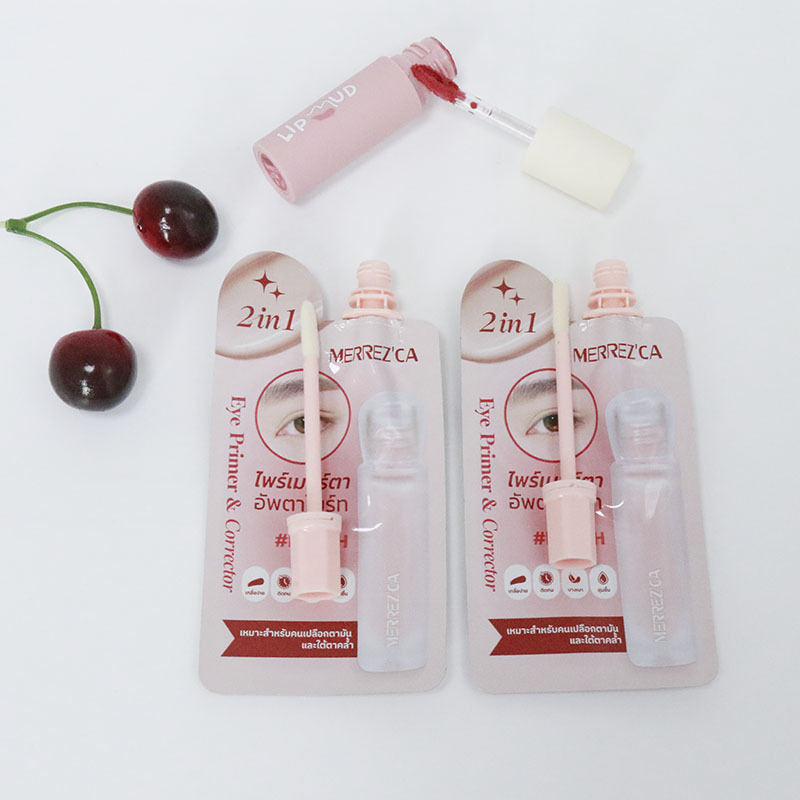
Sampling delays aren't a minor inconvenience; they're a signal. When a supplier needs three or four weeks just to produce a sample, you're not looking at careful craftsmanship—you're looking at a pipeline that's either overloaded, disorganized, or indifferent to your timeline. Every extra week eats into your launch window, forces you to redesign around placeholder materials, and clouds your judgment because you start rationalizing sunk time instead of evaluating the product on its merits.
Real sourcing partners treat a sample request as an audition. They know you can't commit to production without touching, testing, and sometimes breaking the thing you're about to buy. If they can't turn around a proof of concept within a week or so—barring genuinely complex custom tooling—then the same slowness will show up later in mass production, in defect resolution, and in any reorder that needs a quick tweak. That's not a supplier; that's a liability wearing a supplier's name.
The market is too crowded to babysit slow responders. Move on the moment a sampling timeline stretches past reason. Your time is better spent on the factory that sends a sample within days, asks smart questions about end use, and treats your deadline as if it's their own.
Your Pouch Design Deserves Better Than a Fuzzy Print
A fuzzy print on a pouch isn't just a minor flaw—it undermines the entire piece. When edges blur and colors bleed into one another, the design loses its punch, and a once-striking graphic becomes forgettable. Detail is what separates a premium accessory from something that feels like an afterthought.
Sharp, high-resolution printing changes everything. Crisp lines, accurate color matching, and fine textures give your pouch a tactile, professional edge that photos can't fully capture. Instead of settling for a muddled image, you get a design that holds up to close inspection—and that's what people notice when they pick it up.
Your pouch is more than a container; it's a statement about your taste. Choose a print that reflects the precision you demand in everything else. A clear, well-executed design doesn't just look better—it feels intentional, durable, and worthy of being carried every day.
If Your Supplier Can't Explain Migration Testing, Walk Away
A supplier who stumbles over basic questions about migration testing is not having a bad day. They are showing you exactly how much they don't know about the materials they sell. Migration testing measures whether chemicals from packaging, coatings, or processing equipment can leach into food or pharmaceuticals under real-world conditions. If your supplier cannot explain which simulants were used, what time and temperature were applied, or how the lab accounted for repeated use, that is a red flag you cannot afford to ignore. Compliance is not a certificate on a wall. It is an ongoing, technical conversation about risk.
Walking away may feel drastic, especially when pricing is tight or switching costs are high. But the alternative is worse: accepting a material you cannot defend to a regulator, a customer, or an auditor. Strong suppliers welcome questions about test reports, lab accreditation, and worst-case scenarios. Weak ones offer vague reassurances or point to outdated paperwork. If the person in front of you cannot walk you through the science, assume the worst and find someone who can. The cost of migration failure after launch is far higher than the cost of changing suppliers today.
Hidden Fees in Laminated Pouch Quotes You Should Never Accept
Laminated pouch pricing often looks straightforward until you spot line items like "tooling charge" or "plate fee" buried near the bottom. Many converters reuse existing cylinders or dies for standard sizes, so if a quote includes a hefty setup cost for a common pouch dimension, ask for justification. You shouldn't pay for digital proofs separately either—most reputable suppliers absorb that cost as part of pre-production.
Another red flag is per-color surcharges on top of the base print price. Unless you're asking for metallic inks or a special Pantone match beyond the agreed palette, standard CMYK or spot-color printing should already be covered. Watch also for vague "handling" or "logistics coordination" fees that appear after you've approved the sample—those are often just padded margin, not actual services.
Finally, be wary of minimum order quantity penalties dressed up as "small batch fees." If a supplier advertises low MOQs but then adds a substantial surcharge for falling below a hidden threshold, that's contradictory. Request a line-by-line breakdown before committing, and don't accept any fee that isn't tied to a specific, verifiable action or material.
Are You One Factory Fire Away from a Packaging Disaster?
A single spark in the wrong factory can halt your entire packaging line. Many brands still rely on one supplier for bottles, cartons, or films, and that supplier’s fire drill record rarely makes it into your vendor scorecard. When the alarm goes off, you’re not just losing boxes—you’re losing shelf space, launch dates, and customer trust.
The real problem isn’t the fire itself; it’s the lack of a Plan B. Ask your packaging partner where their raw materials come from, how old their sprinkler system is, and whether they have off-site storage for finished goods. Most won’t volunteer this. You have to pull it out of them, preferably before you sign the contract.
Smart brands treat packaging like a critical component, not an afterthought. That means qualifying a secondary supplier before you need one, holding a few weeks of safety stock for high-turnover SKUs, and building fire-safety language into your supply agreements. Otherwise, you’re one bad Tuesday away from watching your best product go dark.
FAQ
Look beyond glossy websites. Ask about their film sourcing, lamination adhesives, and whether they run in-house color management. A dependable partner will openly share process details and offer small trial runs before you commit to volume.
Request lab reports for oxygen transmission rate and water vapor transmission rate instead of relying on marketing claims. Better yet, send samples to an independent lab if you're packing anything moisture-sensitive. A supplier that hesitates to provide data is a red flag.
Ask how many lamination lines they run and how they schedule changeovers. If they can't tell you their typical downtime between jobs or their maximum daily output for your pouch size, they may be brokering orders rather than manufacturing them.
It often comes down to whether they stock base films and how they handle cylinder or plate costs. A supplier with frequent stock runs can offer lower MOQs, while one that custom-orders every film layer will push you toward higher volumes.
For a new design with proofing and material sourcing, expect four to six weeks on average. Rush jobs are possible, but they usually mean skipping some quality checks or paying a premium. Ask for a breakdown of each stage instead of just a final date.
Insist on a signed physical color standard and ask how they measure Delta E during runs. Good suppliers will keep a retained sample from each batch and check against a spectrophotometer, not just by eye.
Plate or cylinder fees, freight for oversized pouches, and special packaging for shipping can all appear after the quote. Ask each supplier to list every charge needed to deliver finished pouches to your loading dock, not just the unit price.
Conclusion
Choosing a laminated pouch supplier goes far beyond comparing unit prices. A partner that insists on huge minimum order quantities can quietly suffocate a small brand before it ever reaches the shelf, while one that takes weeks to send a simple sample is showing you exactly how they will handle your production timelines. When those samples finally arrive, look closely at the print clarity—if the artwork looks soft or the colors drift, that fuzziness will end up on every single pouch, not just the first run. These early signals matter more than a polished sales pitch.
You also need to press suppliers on technical and commercial transparency. Ask directly how they handle migration testing and what documentation they provide, because any hesitation here should send you walking. Review quotes line by line for hidden plate fees, color matching charges, and freight markups that are often buried until the final invoice. And don't ignore the physical reality of your supplier's facility: a factory with no fire safety plan or single-source production line is a risk you cannot afford. The right partner will answer every one of these concerns before you ask.
Contact Us
Contact Person: Cindy Lee
Email: [email protected]
Tel/WhatsApp: 8613622669331
Website: https://www.dgkody.com