

How OEM Color Changing Cup Factories Are Revolutionizing Custom Drinkware
2026-07-16
Imagine sipping from a cup that shifts colors with temperature, sparking conversation and delight. That’s exactly what OEM color changing cup factories are bringing to the custom drinkware scene, and APEXAL is at the forefront of this transformation. By blending cutting-edge manufacturing with endless design possibilities, they’re turning ordinary promotional items into unforgettable brand experiences. Curious how this magic happens and what it means for your next campaign? Read on.
The Science That Makes Your Cup Change Colors
Behind the magic of a color-changing cup lies thermochromic technology—a clever use of heat-sensitive pigments. These pigments are made up of tiny microcapsules, each containing a mixture of leuco dyes, weak acids, and a solvent. At lower temperatures, the solvent is solid, allowing the dye and acid to interact in a way that keeps the color visible. As the cup warms up, the solvent melts, disrupting this interaction and causing the dye to lose its color, revealing the design underneath.
The microcapsules are carefully blended into inks or coatings and then applied to the cup’s surface through screen printing or spraying. What’s fascinating is how the transition temperature can be tuned during manufacturing by adjusting the solvent composition, allowing cups to react at different heat levels—from the gentle warmth of a hand to the near-boiling heat of a fresh pour.
The result is an engaging visual cue that your drink is hot—relying purely on reversible chemistry. Over time, the color shift may fade with repeated use or exposure to sunlight, but when cared for well, these cups remain a fun, simple demonstration of how molecular behavior changes with temperature.
Turning Your Design Into a Temperature-Sensitive Masterpiece
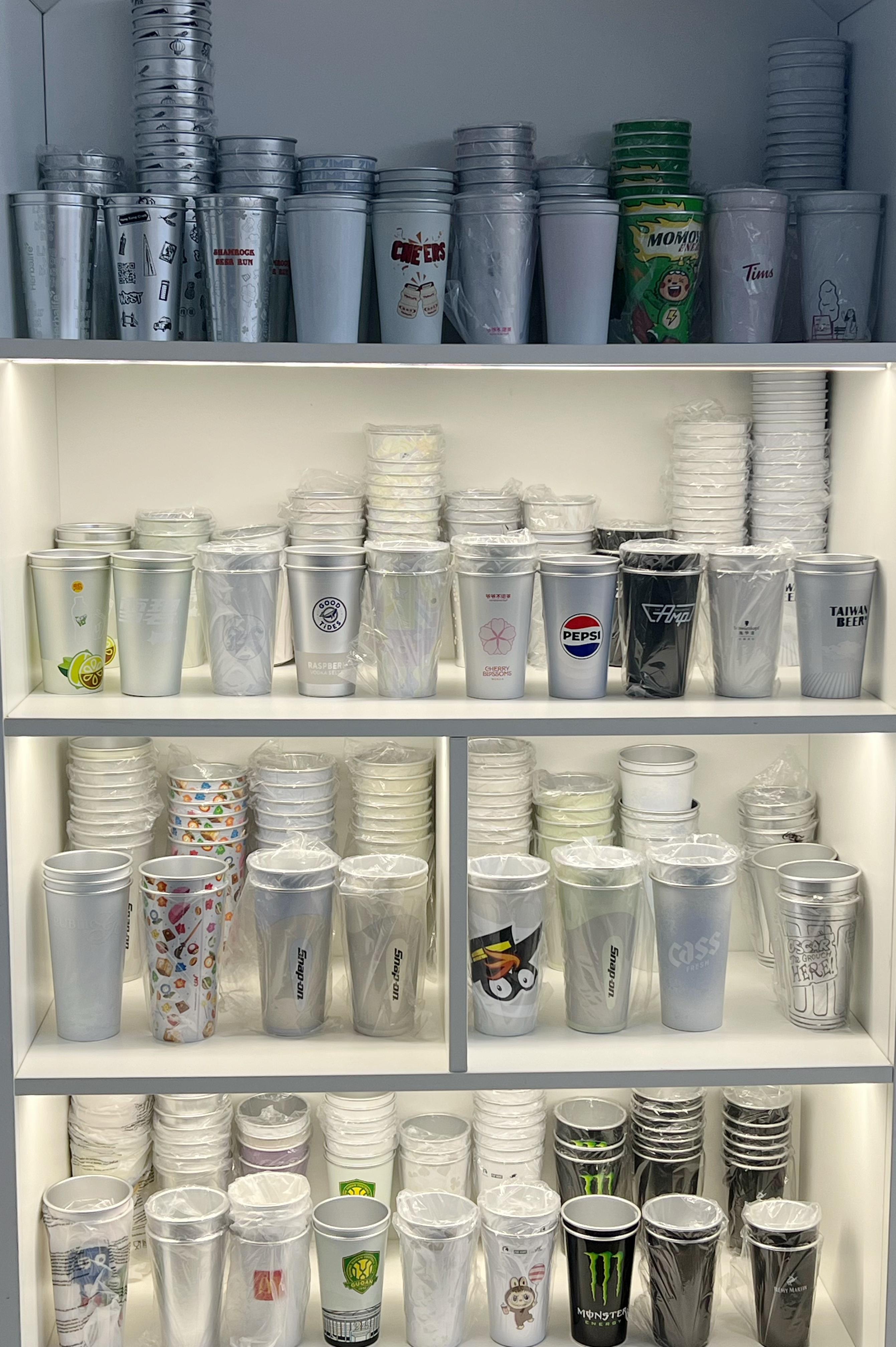
Imagine your artwork shifting hues with the warmth of a touch or the chill of a breeze. By integrating thermochromic pigments into your creative process, you can craft designs that react to temperature changes in real time. These special pigments alter their molecular structure when heated or cooled, revealing hidden patterns or transforming entire color schemes. Whether you're working with fabrics, paints, or inks, the key is to select a pigment that transitions at the desired temperature range—commonly between 15°C and 31°C for interactive wearables or dynamic wall art. Pairing them with stable base colors ensures that the effect remains controlled and visually striking.
The real magic happens when you layer or mask thermochromic elements strategically. A simple silhouette screen-printed with a low-activation pigment remains invisible at room temperature but blooms into vibrant color when someone holds a warm mug against it. For more complex narratives, combine multiple pigments with different activation points—one shifting at body heat, another fading in cold air. This layering creates a living canvas that responds to the environment, turning a static image into an unfolding story. Sealing the design properly is crucial, as exposure to UV light or harsh chemicals can degrade the effect over time.
Don't limit yourself to flat surfaces. Sculptural works, interactive installations, or even everyday objects like coasters and lampshades become conversation pieces when they morph with temperature. Consider embedding conductive threads or resistive heating wires behind a thermochromic panel to give the viewer control over the transformation. The goal is to invite curiosity and engagement—letting people discover that their presence literally leaves a mark. With thoughtful material choices and a bit of experimentation, you can turn a passive design into an experience that feels personal and alive.
Why OEM Factories Are the Secret to Unique Drinkware
Most off-the-shelf drinkware blends into a sea of sameness. OEM factories change that by letting you build from the ground up. Instead of tweaking a pre-existing mold, you can shape every curve, adjust the weight, and choose materials that feel right in the hand. It’s not just branding on a generic bottle—it’s a vessel designed around your vision, from insulation performance to lid mechanics.
There’s also a quiet kind of magic in the details an OEM partner can unlock. Think custom thread patterns that stop leaks before they start, or a ceramic inner coating that makes coffee taste like it came from a French press. These aren’t catalogue options; they emerge when engineers and designers collaborate without the limits of ready-made inventory. The result feels intentional, not assembled from someone else’s leftovers.
Beyond the product itself, OEM relationships often give you a production rhythm that’s hard to find elsewhere. You’re not competing for shelf space in a factory line that runs the same item for ten brands. Your designs get dedicated attention, which means tighter quality checks and a natural scarcity that keeps your drinkware from flooding every discount aisle. In a world of mass sameness, that exclusivity becomes your quiet advantage.
Beyond the Color Shift: Customization Options You Didn't Know Existed
Most people assume that changing a product's color is the pinnacle of personalization, but there's a whole hidden world of tweaks that go way beyond a simple hue swap. Take for example the texture adjustments you can make on certain high-end gadgets—switching from a glossy, fingerprint-magnet finish to a soft-touch matte that actually feels different in your hand. It's not just about looks; it's about how the item integrates into your daily rituals without you even noticing.
Then there are the structural modularity options that rarely get the spotlight. Some brands let you swap out side rails, backplates, or even button assemblies to alter both the shape and the tactile feedback. You can go from a slim, pocket-friendly profile to a more rugged, grippy frame in seconds. This level of customization means your device can evolve with your needs—office-friendly during the week, adventure-ready on the weekend—without buying a whole new thing.
On the software side, it gets even more wild. Interface overlays allow you to completely remap the functional behavior of physical controls. A button that normally launches the camera can turn into a smart-home command center with a single long press. Combine that with LED accent light behaviors that respond to notifications, and you have a device that not only looks unique but also interacts with you in a way that feels almost bespoke. These are the customization paths that transform a standard tool into a personal companion.
How Small Brands Are Beating Big Names with Color-Changing Cups
Small brands are turning a simple novelty into a serious competitive edge. While industry giants stick to standard drinkware, these nimble companies are rolling out cups that shift hues with cold liquids, heat, or even sunlight. The magic lies not just in the color change but in the emotional connection it sparks—customers get a little surprise with every sip, making the product feel personal and shareable. This element of delight is something mass-produced items often miss, and small brands are capitalizing on that gap with playful, collectible designs that keep people coming back.
What really sets these smaller players apart is their ability to move fast and take creative risks. They aren’t bogged down by lengthy approval chains or the pressure to appeal to everyone. Instead, they release limited-edition runs, collaborate with independent artists, and experiment with bold, unexpected color palettes that scream individuality. Social media does the rest—a quick video of a cup transforming from matte black to neon pink can go viral overnight, generating buzz that even the biggest advertising budgets can’t buy. By treating each cup as a tiny canvas for surprise and self-expression, these brands have turned a functional object into a cult-favorite accessory.
The result? A loyal community that feels part of something exclusive, not just another customer number. Big corporations may have the manufacturing scale, but they struggle to replicate the authenticity and rapid-fire creativity of these smaller brands. Color-changing cups have become more than a trend; they’re a proof point that in a world of sameness, a touch of whimsy and a willingness to listen to niche tastes can outshine the biggest names on the shelf.
The Future of Personalized Drinkware Is Heat-Activated
Imagine a mug that transforms before your eyes as you pour your morning coffee. Heat-activated drinkware is turning ordinary sips into moments of wonder, revealing hidden patterns, vibrant colors, or even personal messages with every warm beverage. This isn't just a gimmick—it's a way to infuse daily rituals with a touch of magic that feels uniquely yours.
The technology behind these cups relies on thermochromic pigments that react to temperature shifts. When hot liquid hits the surface, the coatings become transparent, unveiling whatever design lies beneath. What sets today’s innovations apart is the precision: companies now let you print custom photos, hand-drawn art, or subtle gradients that appear only when you need that cozy caffeine kick. No two mugs feel exactly alike, because each can tell a story that's hidden until the right moment.
Beyond novelty, heat-activated personalization is carving a space in sustainable gifting and brand experiences. Imagine a reusable cup that displays a daily motivational quote, or one that reminds you of a friend’s inside joke only during your afternoon tea. As the materials become more durable and the designs more sophisticated, these cups are moving from novelty shelves to everyday essentials, blending function with a whisper of surprise that never gets old.
FAQ
Traditional manufacturers often focus on standard printing or engraving, but OEM color changing cup factories integrate thermochromic technology that reacts to temperature. They can embed full-color artwork that appears or transforms when hot or cold liquids are poured in, offering a dynamic, interactive experience that static designs can't match.
They've adopted flexible production lines and digital printing tools that make short runs cost-effective. Instead of requiring huge minimums, many now accept low-quantity orders while still allowing buyers to personalize everything from cup shape to color-change effect, making it accessible for events, startups, or niche brands.
Beyond the classic cold-activated coatings, factories are now using dual-layer color shifting, UV-sensitive pigments, and food-grade ceramics that can switch between multiple hues. Some are even developing heat-resistant plastics that won't warp or peel after repeated use, tackling durability concerns head-on.
Absolutely. The technology now allows precise color matching so a logo can appear in exact brand Pantone shades at a specific temperature. Factories work closely with clients to ensure the reveal moment feels intentional and premium, not gimmicky—like a hidden message that only emerges when the drink is hot enough.
Reputable factories comply with FDA, LFGB, or EU food contact standards, using BPA-free plastics and lead-free coatings. They run thermal cycling tests to simulate thousands of uses, check for color fastness, and verify the cups can withstand dishwashers and microwaves if marketed as such. Certifications are often shared upfront to build buyer confidence.
More factories are switching to recycled PETG or Tritan Renew for the cup bodies and water-based or soy-based inks for the color-changing layers. Some offer take-back programs to reuse old cups, and the long lifespan of these products reduces single-use waste. The shift aligns with eco-conscious buyers who want personality without the guilt.
We're seeing them in hospitality—hotels use them for welcome drinks that reveal a message when chilled, coffee shops turn loyalty cups into art pieces, and event organizers use them as interactive badges. Some factories even produce mood cups for mental health campaigns, using color as a conversation starter.
Look for design support that goes beyond templates, like in-house teams that can simulate effects digitally. Ask about minimums, sampling timelines, and how they handle color bleed or fading complaints. A good factory will also offer customization of the trigger temperature and packaging, plus have transparent communication about lead times and IP protection.
Conclusion
Color-changing cups have moved far beyond novelty toys, thanks to OEM factories that fuse clever chemistry with high-precision manufacturing. At the heart of every heat-activated design lies a reversible thermochromic pigment, microencapsulated to shift its molecular structure at a specific temperature threshold. This isn’t just off-the-shelf ink; factories work directly with clients to tune the activation point—whether it’s the chill of an iced latte or the warmth of fresh coffee—ensuring the color transition feels like magic every time. The real revolution, though, happens in how a simple sketch or logo becomes a temperature-sensitive masterpiece. Unlike standard printing, these OEM partners layer specialized coatings on mugs, bottles, or tumblers, then rigorously test for durability against dishwashers, UV exposure, and everyday wear. This behind-the-scenes technical partnership allows even a scribble on a napkin to morph into a photorealistic, shifting graphic that stays vivid wash after wash.
But the appeal runs deeper than a color trick. OEM factories unlock customization possibilities that most brands never imagine—think gradient fades, glow-in-the-dark underlayers, or sequential reveals that tell a story as the drink empties. Small labels are leveraging this flexibility to outpace industry giants, offering limited-run, story-driven drinkware that larger competitors can’t match without retooling entire production lines. Instead of generic patterns, a microbrewery might collaborate on a pint glass whose artwork slowly unfurls a hop-field sunrise, creating an experience customers share organically. Looking ahead, the trend is racing toward hyper-personalization, where photos, handwritten notes, or even QR codes trigger not just color shifts but interactive elements, all coordinated through meticulous factory partnerships. The result is drinkware that feels less like a promotional afterthought and more like a coveted collectible, with heat-activated designs blurring the line between function and art.
Contact Us
Contact Person: Milo
Email: [email protected]
Tel/WhatsApp: +86 18621923991
Website: https://www.dgbaide.com