

Export Calcium Chloride 77% Powder: What Global Buyers Need to Know
2026-11-16
Ask any procurement manager who regularly imports calcium chloride 77% powder, and they'll tell you the same thing: not all '77%' is created equal. Variations in purity, moisture absorption, and packaging can quietly erode margins. That's why global buyers are moving beyond price-per-ton and paying closer attention to how the product behaves from factory floor to final use. In this guide, we break down the key specifications, common pitfalls, and sourcing tactics—with practical insight from Shouguang Golden Chemical to help you avoid the usual headaches.
77% Purity Claims Worth Checking Before You Sign a Contract
A supplier hands you a spec sheet with “77% purity” printed in bold. Before you treat that number as fact, ask what lies behind it. Many sellers pull purity figures from a single batch test, not from the lot you're actually buying. Variations in raw material sourcing, processing conditions, or even storage can shift that number by several points. If the claim comes without a certificate of analysis tied to a specific batch number, treat it as a rough estimate, not a guarantee.
The most reliable way to check a 77% purity claim is to demand independent verification. Send a sample from the shipment you intend to receive to a third-party lab that uses standard testing methods for your material. Keep a sealed reference sample of your own, so if the delivered product fails to match the claim, you have evidence. Don't rely on the supplier's in-house lab report or a manufacturer's self-declaration. A 77% purity figure is only meaningful when the sampling method, test protocol, and margin of error are all clearly stated.
Before you sign anything, make the purity number a contractual obligation, not a marketing promise. Specify that the delivered material must meet 77% purity within a defined tolerance, and state the exact test method that will determine compliance. Include a clause for rejection or price adjustment if the product tests below the agreed threshold. Without these written protections, a 77% purity claim becomes a talking point you cannot enforce, and you may end up paying premium rates for material that doesn't perform as expected.
Moisture Absorption and Caking Issues in Long-Haul Shipments
Long-haul shipments expose cargo to shifting humidity and temperature cycles that quietly sabotage powdered and granular products. Even well-sealed containers can breathe with day-night thermal swings, pulling in moisture that condenses on cooler surfaces. A bag of milk powder that looks dry on the outside may already hold enough internal moisture to trigger lactose crystallization, turning a free-flowing powder into a solid brick by the time it reaches port.
The real trouble starts when tiny particles absorb water and form liquid bridges at their contact points. Those bridges harden during cooler periods, fusing particles into clumps or solid cakes. This isn't just a visual defect; it slows dissolution, ruins dosing accuracy, and forces recipients to hammer or sieve product that should pour straight from the bag. For hygroscopic materials like salt, sugar, or instant coffee, the margin between acceptable flow and unusable lumps can be as little as a two percent moisture gain.
Standard desiccant packs often fall short because moisture ingression isn't uniform. A container facing the sun on one side will sweat differently than the shaded side, creating microclimates that no single-point drying agent can manage. Shippers who rely only on barrier bags without monitoring real humidity inside the package tend to discover caking only after the customer files a claim. Targeted anti-caking agents and active humidity control at the pallet level, not just the container level, are what keep long-haul loads from turning into costly disappointments.
Regulatory Hurdles from China to Rotterdam Nobody Mentions
Cross-border logistics between China and Rotterdam often focuses on tariffs and customs delays, but one overlooked barrier is the patchwork of municipal inspection protocols at the Port of Rotterdam. Unlike uniform national rules, local authorities apply inconsistent checks on container sealing and weight distribution, causing random holds that shippers only discover when cargo sits idle for three extra days. This unpredictability quietly inflates storage fees without ever appearing in trade statistics.
Another silent hurdle stems from Chinese export compliance for low-voltage electronics and children's products headed to the Netherlands. While the EU's CE marking gets all the attention, Chinese provincial bureaus frequently update their own pre-shipment testing lists without notifying foreign buyers. A batch that passed inspection in Shenzhen might fail re-inspection in Ningbo, forcing last-minute repackaging or splitting shipments, which no forwarder advertises in their service quotes.
Finally, the Rhine corridor's seasonal barge capacity restrictions create a regulatory gray zone. During low-water months, Dutch authorities impose emergency draft limits that technically fall under environmental law, not trade regulation. Shippers are rarely warned that their Rotterdam-bound containers may be stranded in Duisburg for weeks, waiting for lighter barges, because no single ministry claims responsibility for this indirect customs ripple effect from China's river feeder ports.
How Spot Samples Can Mislead Bulk Calcium Chloride Buyers
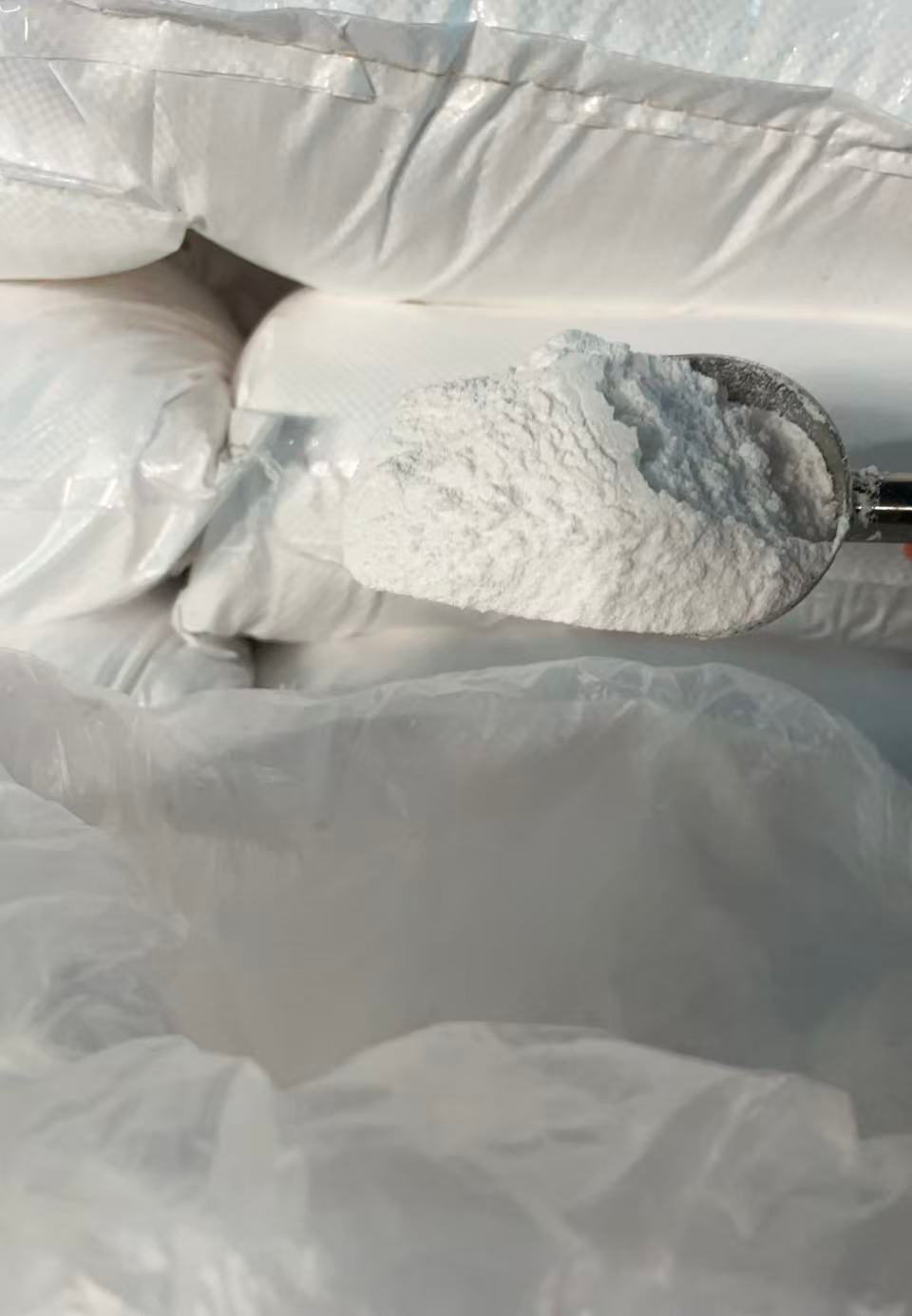
A single scoop taken from the top of a bulk shipment rarely tells the full story. Calcium chloride is hygroscopic, meaning it pulls moisture from the air, and that moisture doesn't distribute evenly through a pile. If a buyer tests only the surface layer—where caking or excess water often concentrates—the results can look far worse than the material underneath. Conversely, a dry, free-flowing sample scooped from the corner of a storage bin may mask deeper clumping or contamination that appeared during transport.
Suppliers sometimes hand-pick "representative" samples from the best-looking area, whether intentionally or out of habit. A front-end loader might grab from the face of a stockpile that has been recently turned, leaving behind older, compacted material that never made it into the sample jar. Buyers who base a full truckload or railcar purchase on that small jar end up discovering lumpy, off-spec product on their receiving dock—weeks after payment.
The only way to reduce this risk is to insist on a composite sampling protocol before the material ships. That means taking multiple increments from different depths, locations, and even different supersacks or hopper cars, then blending them into one sample. Without that step, a spot sample is little more than a lottery ticket—occasionally accurate, often misleading, and never a sound basis for a bulk calcium chloride contract.
Freight Costs, Seasonal Demand, and the Real Price of 77% Powder
Shipping a container of 77% powder from a distant port is not cheap. Carriers adjust rates weekly, and a sudden spike in bunker fuel or a bottleneck at a major hub can add hundreds of dollars per metric ton. Sellers often bury these freight costs in the final invoice, so the sticker price you see on a quote rarely reflects what actually lands at your warehouse. For buyers who don't factor in freight, the real cost of 77% powder can be 15-20% higher than the headline number.
Demand for 77% powder doesn't stay flat across the year. Cold-weather months push food and feed manufacturers to stock up, while some industrial users ramp up before year-end shutdowns. During these peaks, suppliers tighten allocations and spot prices climb. Conversely, in the lull after a major holiday or during a slow production quarter, you might find discounts that vanish quickly when the next buying wave hits.
To calculate the real price of 77% powder, you need to combine landed freight cost with the timing of your purchase. A low base price quoted in the off-season might look attractive, but if you then pay premium freight to get it faster or if the shipment arrives when your storage is full, the effective cost per usable kilogram rises. Smart buyers track both freight indices and seasonal demand patterns to negotiate a true delivered price rather than just the powder's ex-works rate.
Beyond De-Icing: Underserved Uses That Boost Your Margins
Most contractors see ice melt and plowing as the whole winter game, but the same clients who call you for a slippery lot often have a list of other headaches they never mention. Crack sealing, pothole patching, and catch basin cleanouts are straightforward add-ons that don't require new equipment or training. Because you're already on site with the right trucks and crews, the marginal cost stays low, while the invoice grows. Clients appreciate not having to track down another vendor for these fixes.
Surface treatments are another quiet profit center hiding in plain sight. Anti-slip coatings for walkways, re-striping faded parking lines, and checking outdoor stair treads or handrails can all be folded into a single visit. The materials are cheap, the labor is fast, and property managers rarely push back on safety-related work. Instead of waiting for spring to fill your schedule, you can keep crews busy during thaws and shoulder seasons with jobs that carry healthy markups.
Think beyond the pavement, too. Roof snow removal and ice dam prevention often fall to whoever shows up first, and the same goes for improving drainage around landscape beds or loading docks. By packaging these tasks into a yearly maintenance agreement, you turn one-off de-icing calls into recurring revenue. The equipment sits idle otherwise—so even a modest service lineup can lift overall margins without the cost of chasing new leads.
FAQ
It refers to the minimum calcium chloride content by weight in the dry product—77% or higher. The remaining portion includes water of crystallization, minor sodium chloride, and other trace impurities. Purity matters because lower-grade material can introduce unwanted ions or insoluble residues, which may clog spray nozzles, affect brine clarity, or compromise concrete acceleration. For most industrial uses, 77% is a sweet spot between performance and cost, but always confirm whether the 77% is on an anhydrous or dihydrate basis to avoid confusion.
Dust control and road stabilization are major consumers, especially in mining and rural road maintenance. Oilfield services use it in completion fluids and drilling muds. Concrete producers add it as a set accelerator in cold weather. Food processors sometimes purchase food-grade 77% powder for firming agents or cheese making, though that requires stricter documentation. Wastewater treatment plants and de-icing operations also buy in volume during peak seasons.
Request a recent certificate of analysis from an independent lab, not just the supplier's in-house report. Ask for a pre-shipment sample of the actual batch, not a generic sample from months earlier. Check particle size distribution if the powder will be dissolved in water—finer powders dissolve faster but may create more dust. For moisture-sensitive applications, test the free moisture content and caking tendency after simulated storage. A trial order of one or two containers is a practical way to evaluate consistency before committing to a long-term contract.
Most buyers choose 25 kg or 50 kg polypropylene bags with an inner polyethylene liner for moisture protection. For very humid destinations, add a pallet wrap and desiccant bags inside the container. Jumbo bags of 500 kg to 1,000 kg reduce handling time but require proper lifting equipment at the destination. Avoid paper bags unless the transit time is very short. Make sure the packaging label includes the exact grade, net weight, batch number, and hazard classification if required by the destination country.
Yes. Many countries require a Safety Data Sheet (SDS) in the local language and a certificate of analysis at customs. Some Middle Eastern and African ports ask for a Certificate of Conformity from a recognized inspection agency before shipment. Food or pharmaceutical applications may need additional certificates like ISO 22000, HACCP, or a health certificate. Also check whether calcium chloride is classified as a dangerous good for transport in your region—while 77% powder is usually not classified under UN dangerous goods, some carriers still impose stowage restrictions due to its hygroscopic nature.
Demand spikes in late autumn and winter for de-icing and concrete acceleration, pushing up spot prices and extending lead times by two to four weeks. Chinese production capacity is large, but environmental inspections or energy consumption controls can temporarily reduce output in certain provinces. Buyers who book annual contracts with quarterly shipments usually secure better pricing and reserved capacity. If you need consistent supply, negotiate a framework agreement with a monthly or quarterly price adjustment clause based on a transparent index rather than relying on spot purchases.
A lower unit price per metric ton can hide higher total costs from less favorable payment terms, longer delivery times, or inland freight differences. Check whether the quote is FOB, CFR, or CIF, and who bears the risk at each stage. Some suppliers offer a low base price but add extra charges for palletizing, shrink wrapping, or fumigation. Also verify whether the quoted purity is on a dry basis or as-is basis. Finally, don't overlook the supplier's export experience to your region—handling customs in certain countries requires specific paperwork that a first-time exporter may not anticipate.
Customization is possible within limits. For oilfield use, buyers often request low insoluble content or adjusted iron and magnesium levels to avoid formation damage. For dust control, suppliers can add a small amount of lignin or polymer binder to improve road surface stability, though this changes the product from a pure chemical to a formulated mixture. Food-grade customization requires dedicated production lines and more rigorous cleaning protocols to avoid cross-contamination. Typical minimum order quantities for custom specs start around 20 to 25 metric tons, and lead times extend by one to two weeks for blending and additional quality testing.
Conclusion
Before committing to a contract for 77% calcium chloride powder, buyers should press suppliers on how purity is actually measured. Some overseas sellers quietly ship product at 74% or 75% and label it as 77%, relying on lax inspection at destination ports. This becomes worse during long-haul transport, because calcium chloride pulls moisture from the air and cakes into hard lumps inside containers, especially if packaging is not vacuum-sealed or lined properly. The caked material is difficult to unload and often rejected by end users. Regulatory paperwork between China and Rotterdam also deserves a close look: there are subtle rules around hazard classification, anti-caking agent limits, and impurity thresholds for certain industrial applications. A clean bill of lading does not mean the cargo will clear customs without extra testing. Spot samples sent by a supplier can be misleading as well. Those small pouches are often taken from a single production run under ideal conditions, while the bulk shipment may come from multiple batches with uneven quality.
Freight costs for 77% calcium chloride powder swing sharply with seasonal demand. In the weeks before winter, ocean and truck rates rise because de-icing programs in Europe and North America compete for the same capacity. Buyers who only look at the FOB price often miss this hidden cost and end up paying far more than budgeted. Beyond de-icing, there are underserved applications that can lift margins if you know your local market. For example, calcium chloride is used in wastewater treatment to remove fluoride and phosphates, in dust control for unpaved roads and construction sites, and as a firming agent in some food processing operations. A buyer who can sell into these niches rather than just winter road maintenance will have a more stable year-round business. The real price of 77% powder is not just the number on the invoice; it includes purity verification, anti-caking packaging, regulatory compliance, freight timing, and the value of alternative uses. Ignoring any of these pieces can turn a seemingly cheap purchase into an expensive mistake.
Contact Us
Contact Person: Tom Cui
Email: [email protected]
Tel/WhatsApp: +8618663670626
Website: https://www.jinjigoldenchem.com