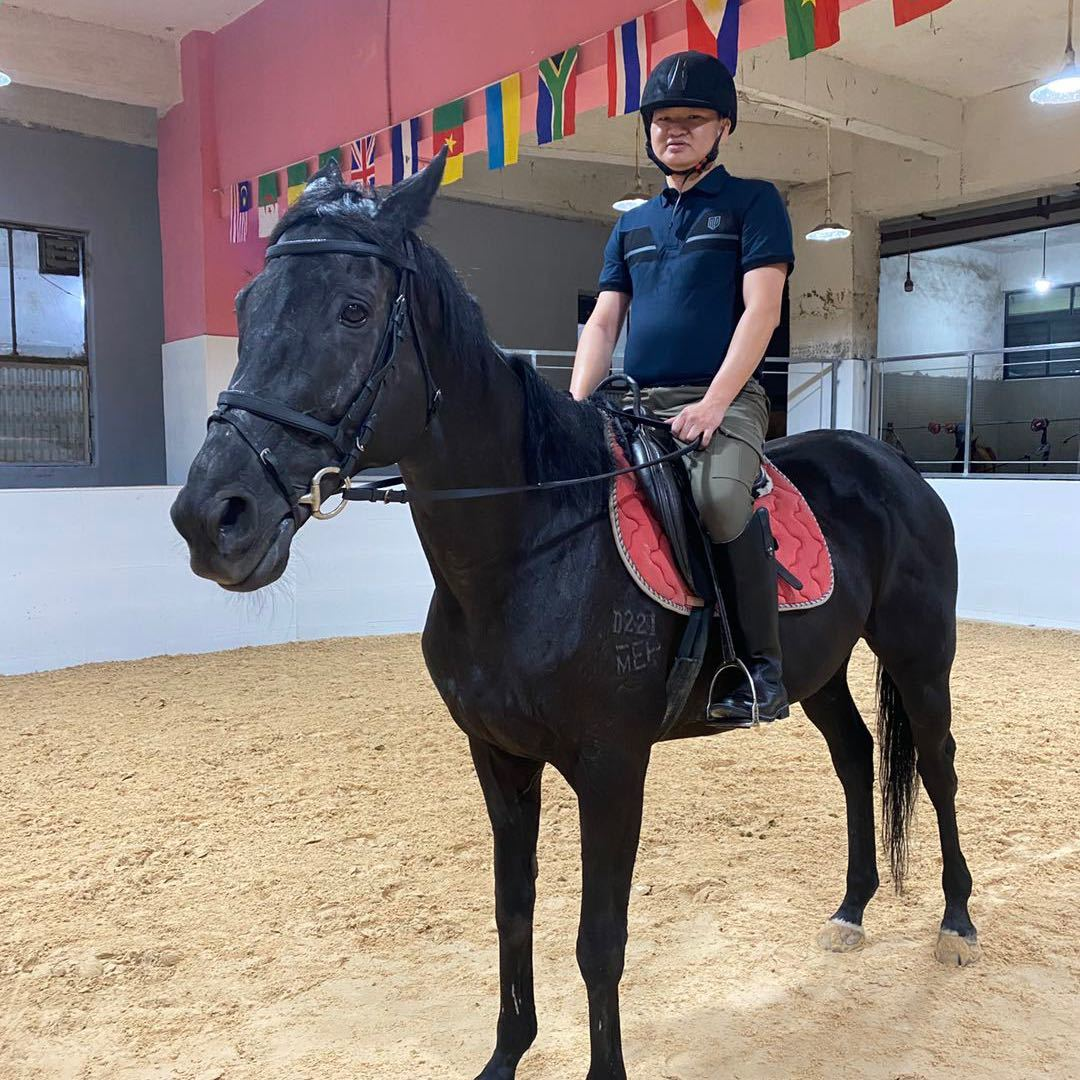

Equestrian Leggings Vendor Guide to Finding Premium Riding Tights
2026-07-10
Finding the right pair of riding tights can make or break your time in the saddle. Whether you're schooling at home or competing at a show, premium equestrian leggings offer the grip, comfort, and style that every rider craves. But with so many options flooding the market, how do you tell the truly high‑performance tights from the rest? This guide cuts through the clutter, helping you identify quality, fit, and features—spotlighting standout choices from OpeEquestrian that riders are raving about. Ready to upgrade your riding wardrobe? Let’s dive into what sets exceptional equestrian leggings apart.
Defining Premium: What Sets Exceptional Riding Tights Apart
Premium riding tights aren’t just about looking sharp in the arena—they’re a deliberate fusion of fabric technology, fit, and rider-focused details that elevate every ride. The difference starts with the material. While basic tights rely on standard stretch blends, exceptional ones use high-performance nylon-spandex mixes with a denser weave, often brushed on the inside for a soft, compressive feel that moves with you but never bags out. This fabric resists pilling, holds its shape season after season, and wicks moisture so efficiently that you stay dry through intense flatwork or long hacks. The waistband is another tell: a true premium tight ditches the elastic strip for a wide, yoga-inspired band that sits flush against your back, eliminating pressure points and staying put without a drawstring. Even the seams are rethought, placed away from friction zones and flat-locked to prevent chafing under tall boots.
Beyond construction, what separates a good tight from a great one lies in the unspoken nuances—silhouette, grip, and thoughtful storage. The best riding tights sculpt rather than simply cover, with strategically angled seams that flatter the leg and a slight crop above the ankle to avoid bunching inside half chaps. Silicone grip patterns, often full-seat or knee-patch, are applied in a way that balances security with flexibility; you’ll notice a difference when a tight uses varied dot sizes or a thinner, softer print that doesn’t stiffen the fabric. Pockets, too, are a quiet luxury: a perfectly positioned thigh sleeve that fits a phone snugly without bouncing, or a zippered back pocket that doesn’t interrupt the clean line of the waistband. It’s these small, intentional choices—a hidden key loop, UV protection woven into the yarn, no-center-front seam—that redefine what premium means, turning a simple pair of tights into a piece of gear you reach for ride after ride.
Material Matters: Fabrics That Enhance Performance and Comfort
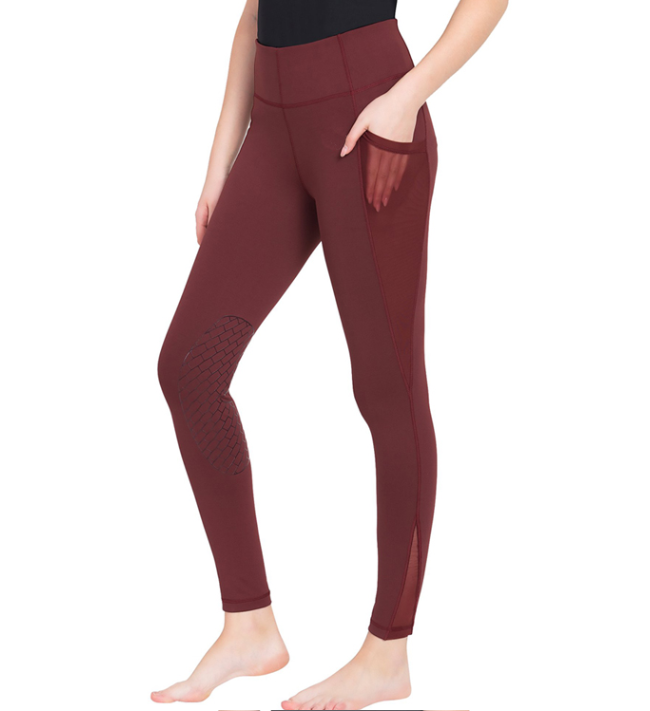
The shift toward high-performance fabrics has quietly transformed the way we experience daily movement. Instead of relying on stiff, traditional weaves that trap heat and restrict motion, designers now integrate hybrid fiber blends—like modal mixed with elastane or merino wool enhanced with nylon—to create a second-skin feel that adapts to your body temperature. This move isn't just about adding stretch; it's about engineering textiles that actively manage moisture, reduce friction, and maintain their shape after hundreds of washes. The result? Garments that feel almost weightless, yet deliver consistent support whether you're sprinting for a bus or settling into a long-haul flight.
Breathability often gets boiled down to mesh panels, but the real science sits deeper. Piqué knits, originally popularized in polo shirts, now appear in performance gear because their textured surface lifts the fabric off the skin, creating micro-air channels that boost airflow without sacrificing coverage. Similarly, jacquard-woven heat zones can map ventilation to where the body actually generates heat—like the upper back and underarms—rather than scattering perforations randomly. It's a precise, almost anatomical approach that turns a simple T-shirt into a climate-control system, keeping you dry without that clammy, clingy sensation that cheap synthetics leave behind.
Comfort, of course, extends beyond temperature. The resurgence of plant-based finishes—think aloe vera microcapsules or charcoal-infused fibers—tackles both odor and skin feel simultaneously. These treatments don't just mask smells; they interact with the skin's microbiome to neutralize bacteria at the source, which means fewer washes and a longer garment life. Meanwhile, flatlock seams and laser-cut edges are replacing bulky stitching to eliminate chafing in motion-critical areas. When you combine these tactile improvements with the intelligent fabrics beneath, even a basic layer feels deliberate—proof that the right material can elevate performance without ever announcing itself.
Fit and Function: Silicone Grips, Seam Placement, and Mobility
Silicone grips redefine how you connect with your gear, offering a tactile assurance that never slips, even when conditions turn sweaty or wet. The material’s natural elasticity molds to the contours of your palm, creating a personalized hold that feels like an extension of your body. Unlike rigid alternatives, these grips absorb micro-shocks and vibrations, letting you maintain control without the fatigue that creeps in during extended use. It’s a subtle upgrade that shifts your focus from adjusting your grip to fully engaging with the task at hand.
Seam placement is where thoughtful design meets everyday comfort. By mapping seams away from high-friction zones—like the inner thighs or underarm—we eliminate the tiny, persistent irritations that accumulate over hours of movement. Flatlock stitching lies flush against the skin, turning potential hot spots into smooth, uninterrupted surfaces. This isn’t just about avoiding chafing; it’s about crafting a garment that moves with you so silently you forget it’s there, letting you twist, reach, and stride with absolute freedom.
Mobility isn’t just about stretch; it’s about intelligent stretch. We engineer panels with four-way give in the directions your body actually moves, so the fabric never fights your range of motion. Gusseted construction and articulated joints mirror natural biomechanics, whether you’re lunging on a trail or reaching overhead in a studio. The result is a second-skin sensation that supports dynamic action without ever snapping back or restricting flow—because true performance gear should enhance your movement, not dictate it.
Durability in the Saddle: How to Test for Long-Lasting Wear
Real saddle durability goes beyond a stiff, unyielding feel when new. It's revealed in how the leather or synthetic cover responds to friction, moisture, and repeated pressure over time. A simple hands-on inspection often starts with the stitching: tight, even seams that sit slightly below the surface are less prone to abrasion from riding clothes. Then, pay attention to the flex points where the saddle naturally bends under rider weight—premature cracking or creasing here often points to a short lifespan.
Equally telling are the edges, especially around the cantle and pommel, where rubbing against tack or stable walls is routine. Good-quality saddles will have reinforced binding or carefully burnished leather edges that don’t fray after a few months of use. On synthetic models, watch for delamination at these high-wear zones. Another quiet indicator is the foam or flocking inside the panels: if it compresses unevenly and doesn’t bounce back after a long ride, you’re likely looking at uneven pressure points down the road—both for the horse and the saddle’s structure.
Beyond surface checks, long-term resilience often shows up in the hardware. Rivets, billets, and stirrup bars that start to shift or show hairline cracks under load aren’t just inconvenient—they’re early signs of material fatigue. A saddle built to last will have these components firmly seated and preferably made from solid brass or stainless steel rather than a lightweight alloy that silently gives way. The real test, though, comes from consistent use in real conditions: wet rides, sweaty horses, and rough handling. A saddle that absorbs that punishment without surface bubbling, loosening joints, or stiffening into a board is one that was built for the long haul.
Style Meets the Stable: Designs That Blend Fashion with Function
The intersection of fashion and function in equestrian attire has never been more seamless. From breathable show jackets cut with modern silhouettes to riding breeches that incorporate moisture-wicking technology and subtle, stylish detailing, today's designs prove you no longer have to sacrifice personal style for practicality. These pieces transition effortlessly from barn to brunch, marrying technical performance with an aesthetic that reflects your individuality.
Innovations in fabric and construction are reshaping how riders think about their wardrobe. Lightweight, durable materials offer protection against the elements without restricting movement, while thoughtful additions like hidden zip pockets and reinforced knee patches deliver utility without compromising a clean, elegant line. This new wave of design understands that the modern equestrian demands versatility — gear that performs in the saddle yet looks polished enough for everyday life.
Color palettes are expanding beyond traditional earth tones, introducing muted jewel hues and crisp neutrals that feel fresh yet timeless. Details such as contrast stitching, leather trims, and embossed patterns add a layer of sophistication usually reserved for high-end fashion, yet they're built to withstand the rigors of stable chores and long hours of training. Ultimately, this fusion isn't about trend-chasing; it's about honoring the bond between horse and rider by creating pieces that feel as good as they look.
Sourcing from Trusted Vendors: Essential Questions Before You Buy
Too many buyers fixate on price per unit while overlooking the total cost of a vendor relationship. Before you commit, dig into less obvious financial drains—things like payment term rigidity, wire transfer fees that stack up on recurring orders, or penalties for last-minute quantity changes. A supplier who discounts upfront but nickel-and-dimes you on those extras often ends up costing more than a slightly higher quote from someone with flexible, transparent terms.
Ask for a breakdown of their production pipeline, not just a lead time estimate. Can they walk you through where your order sits during each stage—from raw material sourcing to final QC—and what dependencies could cause delays? This isn’t about micromanaging; it’s about measuring their operational self-awareness. Vendors who can’t articulate potential bottlenecks aren’t likely to communicate early when things go off-track, leaving you scrambling to manage downstream consequences.
Push past references and request a sample of their defect resolution correspondence. Seeing how a vendor has historically handled mistakes—tone, speed, willingness to absorb costs—tells you more than any compliance certificate. You also want to know if they’re quietly improving their processes. Ask: “What’s one recurring quality issue you’ve reduced over the last year, and how did you do it?” A detailed answer reveals a partner who treats your success as integral to theirs.
FAQ
Riding tights are designed specifically for equestrian use, with features like silicone grip patterns for stability in the saddle, reinforced seams to withstand friction, and fabrics that wick moisture and resist pilling. Regular leggings lack these performance elements and may not hold up to the demands of riding.
Look for full-seat or knee-patch silicone prints that are strategically placed and have a slightly tacky feel. Premium tights often use higher-grade silicone that stays effective even after multiple washes. Read rider reviews to see if the grip holds up over time and across different saddle types.
A blend of nylon and spandex is common for durability and stretch, but premium options may incorporate polyester for moisture-wicking, polyamide for softness, or even compression fabrics. Avoid anything that feels thin or rough—quality tights feel supportive yet nearly weightless.
Often yes, because higher price points usually mean better construction, longer-lasting silicone, and thoughtful details like no-roll waistbands, phone pockets, and UV protection. Cheaper tights may pill, lose grip, or tear after a few rides, so spending more upfront can save money over time.
They should feel snug but not restrictive, like a second skin. Pay attention to the waistband—it should stay put without digging in when you bend or move. Length is also key; they shouldn’t ride up above your boots. Many brands offer tall, regular, and short options.
Vague fabric descriptions, lack of detailed product images, poor return policies, and inconsistent sizing charts are warning signs. Also, if a vendor has no reviews or only generic praise, that’s a risk. Reliable sellers provide clear care instructions and stand behind their products.
Most can be machine washed on a gentle, cold cycle, but always check the label. To extend the life of silicone grips, turn them inside out, use a mild detergent, and skip fabric softeners. Air drying is best—high heat from dryers can damage elastic fibers and silicone.
It’s the small things: a wide, non-slip waistband, flatlock seams that prevent chafing, a generous side pocket that actually holds a phone securely, and silicone that’s integrated seamlessly rather than feeling like a stiff patch. Top-tier tights also offer sun protection and a compressive feel that supports muscles without limiting movement.
Conclusion
Premium riding tights are defined not just by a higher price tag but by the seamless integration of advanced materials, rider-focused design, and lasting performance. Exceptional tights begin with fabrics that feel like a second skin—moisture-wicking, breathable blends with four-way stretch that move with you in every gait, preventing restriction during posting trots or two-point. The fit must work in harmony with your body: silicone grip patterns, whether full seat or knee patches, provide stability without bulk, while flatlock seams and carefully placed panels eliminate rubbing under boots or against the saddle. A well-structured waistband stays put without digging in, and gusseted crotches enhance freedom, letting you concentrate fully on your ride.
Durability comes from reinforced stitching in high-stress zones like inner legs and seat areas, paired with abrasion-resistant fabrics that withstand countless hours in the saddle and frequent washing. Yet today’s riding tights also bridge the gap between the barn and everyday life, offering subtle mesh details, tonal patterns, and silhouettes that look polished outside the arena. When selecting a vendor, go beyond surface claims—inquire about fabric certifications, ethical production, and testing standards. Ask for details on return policies and customer support; a trustworthy supplier will stand firmly behind their product. This careful vetting ensures you invest in tights that truly deliver on both performance and style, ride after ride.
Contact Us
Contact Person: Keven Tong
Email: [email protected]
Tel/WhatsApp: +86 18666477707
Website: https://www.ope-technology.com