

Discover Top Rooftop Solar Brands with the Best Walkway Solutions in China
2026-01-12
As the global push for renewable energy intensifies, China stands at the forefront of innovation, particularly in rooftop solar solutions. Today, we're excited to delve into a crucial aspect that often goes overlooked: walkway systems that ensure safety and efficiency. In this blog, we'll uncover top brands leading the charge, with a special focus on Topfence, whose cutting-edge designs are redefining industry standards. Whether you're a homeowner, business owner, or sustainability enthusiast, get ready to explore how these solutions can transform your energy journey—stay tuned for insights that blend technology with practicality.
Leading Rooftop Solar Providers in China: A Closer Look at Their Features
In China, rooftop solar installation has surged, driven by both government incentives and growing environmental awareness among homeowners and businesses. Key players in this market, such as SunPower China and Trina Solar, stand out by offering high-efficiency monocrystalline panels that maximize energy generation in limited space. These providers often integrate smart monitoring systems, allowing users to track real-time performance via mobile apps, a feature that appeals to tech-savvy consumers looking for control over their energy usage. Additionally, many companies emphasize durability with warranties spanning up to 25 years, ensuring long-term reliability even in harsh weather conditions.
What sets leading providers apart is their focus on customization and ease of installation. For instance, Jinko Solar has developed lightweight, flexible panels that adapt to various roof types, from traditional tiles to modern flat surfaces, reducing structural concerns. Schneider Electric and Huawei, entering the solar market, bring expertise in energy management, offering integrated solutions that combine solar with battery storage and grid connectivity. This holistic approach not only boosts self-sufficiency but also enables participation in net-metering programs, where excess energy can be sold back to the grid, creating a potential revenue stream for users.
Beyond technical specs, customer service plays a crucial role in differentiating top providers. Companies like LONGi Solar provide comprehensive support, from initial site assessments to post-installation maintenance, often through local partnerships that ensure quick response times. They also educate consumers on local subsidies and financing options, making solar adoption more accessible. By blending innovation with personalized service, these leaders are reshaping China's energy landscape, one rooftop at a time, catering to a diverse clientele from urban residences to rural enterprises.
Innovative Walkway Designs by Top Solar Brands for Enhanced Safety
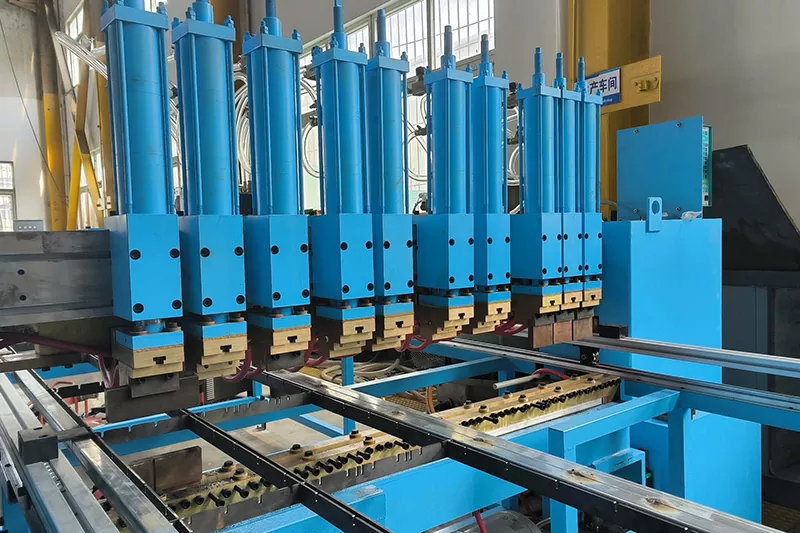
Top solar brands are revolutionizing walkway designs by integrating advanced solar technologies that not only illuminate pathways but also enhance safety in various environments. For instance, some companies have developed solar-powered walkways with embedded LEDs that automatically adjust brightness based on ambient light conditions, reducing glare and improving visibility during nighttime. These designs often incorporate durable materials like tempered glass or non-slip surfaces to withstand weather elements and prevent accidents, making them ideal for parks, campuses, and urban areas where pedestrian traffic is high.
In addition to basic lighting, innovative solar walkways now feature smart sensors and connectivity options that allow for real-time monitoring and alerts. Brands are embedding motion detectors and pressure-sensitive tiles that can trigger lighting or send notifications to maintenance teams in case of obstructions or hazards. This proactive approach not only boosts safety by preventing falls and collisions but also reduces energy consumption through efficient solar charging systems, aligning with sustainability goals while keeping public spaces secure and accessible.
Furthermore, top solar brands are collaborating with architects and urban planners to create aesthetically pleasing walkway designs that blend seamlessly into landscapes while prioritizing safety. Customizable patterns and colors in solar panels allow for creative installations that serve as both functional pathways and artistic elements, enhancing community engagement. By focusing on user-centric features such as even illumination, easy installation, and low maintenance, these innovative designs stand out by offering a holistic solution that addresses safety concerns without compromising on design or environmental responsibility.
How Chinese Solar Companies Integrate Walkways into Rooftop Installations
Chinese solar firms have innovatively tackled a common challenge in rooftop installations by seamlessly incorporating walkways into their designs, enhancing both safety and accessibility. Rather than treating walkways as an afterthought, companies like Trina Solar and JinkoSolar integrate them from the initial planning phase, using durable materials such as aluminum grating or non-slip composite panels. These walkways are strategically placed to allow maintenance personnel to safely navigate around solar panels without risking damage to the equipment or personal injury, which is especially crucial in industrial settings where regular inspections are necessary. This approach not only complies with local safety regulations but also boosts operational efficiency by minimizing downtime during upkeep. By prioritizing these features, Chinese companies demonstrate a commitment to practical, long-term solutions that go beyond mere energy generation.
Beyond basic functionality, the integration of walkways reflects a broader trend in China's solar industry toward holistic system optimization. Companies often customize the layout based on roof size, panel arrangement, and specific client needs, ensuring walkways don't obstruct sunlight or reduce overall energy output. For instance, in crowded urban areas where space is at a premium, firms use narrower, modular walkways that blend with the panel arrays while still meeting safety standards. This attention to detail has helped Chinese solar projects stand out globally, as clients appreciate the added value of a maintenance-friendly design. It's part of a larger shift where firms emphasize total lifecycle benefits, not just initial installation costs, making their offerings more competitive in international markets.
The practical impact of these integrated walkways extends to environmental and economic aspects. By facilitating easier cleaning and repairs, they help maintain optimal panel performance over time, which can significantly extend the lifespan of rooftop systems. Chinese companies often highlight this in their marketing, pointing out that well-designed walkways reduce the need for costly scaffolding or temporary access solutions, lowering long-term operational expenses. This thoughtful integration aligns with China's push for sustainable energy solutions that are both efficient and user-friendly. As rooftop solar adoption grows worldwide, these innovations from China set a benchmark for how to balance safety, functionality, and aesthetics in renewable energy setups, offering lessons for industries beyond solar as well.
Key Considerations in Choosing Solar Panels with Durable Path Solutions
When selecting solar panels for a durable path solution, it's crucial to start by assessing the specific environmental conditions they'll face. For instance, in areas prone to heavy snowfall or extreme temperatures, panels need robust construction with high-quality materials like tempered glass and corrosion-resistant frames. This upfront attention to durability ensures your system withstands the elements over decades, minimizing maintenance issues and maximizing energy output year-round.
Another key aspect is the integration of the panels into the path design itself. Look for options that offer seamless mounting systems or integrated pathways, which not only enhance aesthetics but also prevent damage from foot traffic or debris accumulation. By considering how the panels interact with the surrounding space, you can create a functional, long-lasting installation that complements its environment rather than detracting from it.
Lastly, think about the long-term value beyond initial costs. Durable solar panels with certified warranties and proven track records in similar settings can lead to significant savings by reducing replacement or repair needs. This investment in quality ensures your sustainable energy solution remains reliable and efficient, contributing to both environmental goals and property value without constant upkeep.
Success Stories: Real-World Applications of Rooftop Solar and Walkways in China
Across Chinese cities like Shanghai and Guangzhou, rooftop solar installations are transforming urban landscapes while boosting local energy independence. For instance, a shopping mall in Shenzhen integrated photovoltaic panels into its roof design, not only cutting electricity costs by 30% but also serving as a demonstration project for sustainable architecture. This practical approach shows how solar technology is being woven into everyday structures, proving that clean energy can be both accessible and aesthetically pleasing.
Innovative walkways in cities such as Beijing and Chengdu are taking this a step further by seamlessly incorporating solar panels into pavement and pedestrian bridges. A notable example is a park in Hangzhou where solar-powered walking paths light up at night using stored energy, enhancing safety and reducing reliance on the grid. These projects highlight how infrastructure can double as energy producers, blending functionality with environmental stewardship in a way that resonates with community needs.
Beyond individual success stories, these applications are fostering broader societal shifts. In rural areas, solar-equipped rooftops on schools and clinics ensure reliable power, while urban walkways contribute to smart city initiatives. By prioritizing local contexts and innovative designs, China's efforts in rooftop solar and walkways are setting a tangible example of how green technologies can be adapted for real-world impact, inspiring similar initiatives worldwide.
Future Trends in Rooftop Solar Systems and Accessory Developments
Rooftop solar systems are poised for significant transformation in the coming years, driven by innovations that enhance efficiency and integration. One key trend is the shift toward bifacial solar panels, which can capture sunlight from both sides, increasing energy yield by up to 30% in optimal conditions. This advancement, combined with improved mounting structures and lighter materials, allows for easier installation on diverse roof types, from residential to commercial buildings, without compromising structural integrity. Additionally, the integration of smart inverters and energy management systems enables real-time monitoring and optimization, reducing downtime and maximizing power output even in variable weather conditions.
Accessories are evolving to support these systems with greater durability and flexibility. For instance, new racking solutions incorporate modular designs that adjust to roof angles and materials, enhancing stability while minimizing installation time. Weather-resistant coatings and fire-resistant components are becoming standard, addressing safety concerns and extending the lifespan of solar arrays. Moreover, advancements in battery storage, such as lithium-ion and solid-state technologies, are making it easier to store excess energy for use during peak demand or cloudy days, fostering energy independence and grid resilience.
Looking ahead, the convergence of digital tools and renewable energy will redefine rooftop solar applications. Artificial intelligence and machine learning algorithms are being developed to predict energy production and consumption patterns, allowing for automated adjustments that improve overall system performance. Community solar models and peer-to-peer energy trading platforms are also gaining traction, enabling broader access to solar benefits in urban and rural areas alike. These trends, supported by policy incentives and growing environmental awareness, suggest a future where rooftop systems not only power individual buildings but contribute dynamically to smarter, more sustainable energy networks.
FAQ
Leading brands like JinkoSolar and Trina Solar provide rooftop solar panels with integrated walkway systems for safe maintenance access.
Brands like LONGi Solar use corrosion-resistant materials and non-slip surfaces in walkways to withstand harsh weather and heavy foot traffic.
Companies such as JA Solar and Risen Energy tailor walkway layouts to fit residential, commercial, and industrial rooftops, optimizing space and safety.
Innovations include modular walkway systems that integrate seamlessly with solar panels, enhancing installation efficiency and reducing maintenance costs.
By providing safe and easy access for cleaning and repairs, these walkways help maintain peak solar panel performance and extend system lifespan.
Key factors include the brand's reputation for quality, walkway durability, compatibility with local building codes, and after-sales support services.
Conclusion
China's rooftop solar market features leading brands that combine efficient energy generation with innovative walkway designs for enhanced safety and maintenance access. These top providers integrate durable paths directly into their installations, addressing key considerations like panel durability and structural integrity while showcasing real-world applications through various success stories across commercial and residential projects.
Looking ahead, future trends indicate a growing focus on seamless integration of solar systems with accessory developments, emphasizing safety and sustainability. This holistic approach not only improves functionality but also sets Chinese brands apart in the competitive global market, highlighting their commitment to practical and forward-thinking solutions in renewable energy infrastructure.
Contact Us
Contact Person: Nancy
Email: [email protected]
Tel/WhatsApp: +86-13365923720
Website: https://www.topfencesolar.com/