

Custom Solar U Section Steel: Key Manufacturing Solutions for Renewable Energy Projects
2026-01-22
In the race towards a sustainable future, renewable energy infrastructure demands innovative solutions that combine durability, efficiency, and environmental responsibility. Enter the custom solar U section steel – a pivotal component shaping the backbone of modern solar projects worldwide. At Energet Solar, we've pioneered advanced manufacturing techniques that elevate this essential material beyond traditional applications, offering tailored designs that optimize energy capture and structural integrity. This blog explores how our cutting-edge approaches are revolutionizing solar installations, addressing key challenges from harsh climates to complex terrains. Ready to uncover the engineering breakthroughs powering tomorrow's clean energy? Let's dive into the transformative potential of custom U section steel.
Advanced Fabrication Techniques for Durable Solar U Section Steel
In the realm of renewable energy infrastructure, the manufacturing processes for Solar U Section Steel have evolved significantly to enhance durability and longevity. Unlike conventional methods, advanced techniques now incorporate precision cold-forming and high-frequency welding, which minimize material stress and improve structural integrity. These innovations allow the steel to withstand harsh environmental conditions, such as extreme temperatures and corrosive elements, ensuring reliable performance over decades in solar panel mounting systems.
Another key aspect involves the application of specialized coatings and surface treatments tailored for solar applications. Techniques like hot-dip galvanization or advanced powder coatings are employed to provide superior corrosion resistance without compromising the steel's mechanical properties. This attention to detail in fabrication not only extends the lifespan of the components but also reduces maintenance needs, making it a cost-effective choice for large-scale solar farms where durability is paramount.
Furthermore, the integration of automated quality control systems during fabrication ensures consistency and precision in every batch of Solar U Section Steel. By utilizing non-destructive testing methods, such as ultrasonic inspection, manufacturers can detect potential flaws early, guaranteeing that each piece meets stringent industry standards. This focus on quality throughout the production process translates into enhanced reliability and safety for solar installations, setting a new benchmark in sustainable construction materials.
Eco-Friendly Production Processes in Renewable Energy Steel Manufacturing
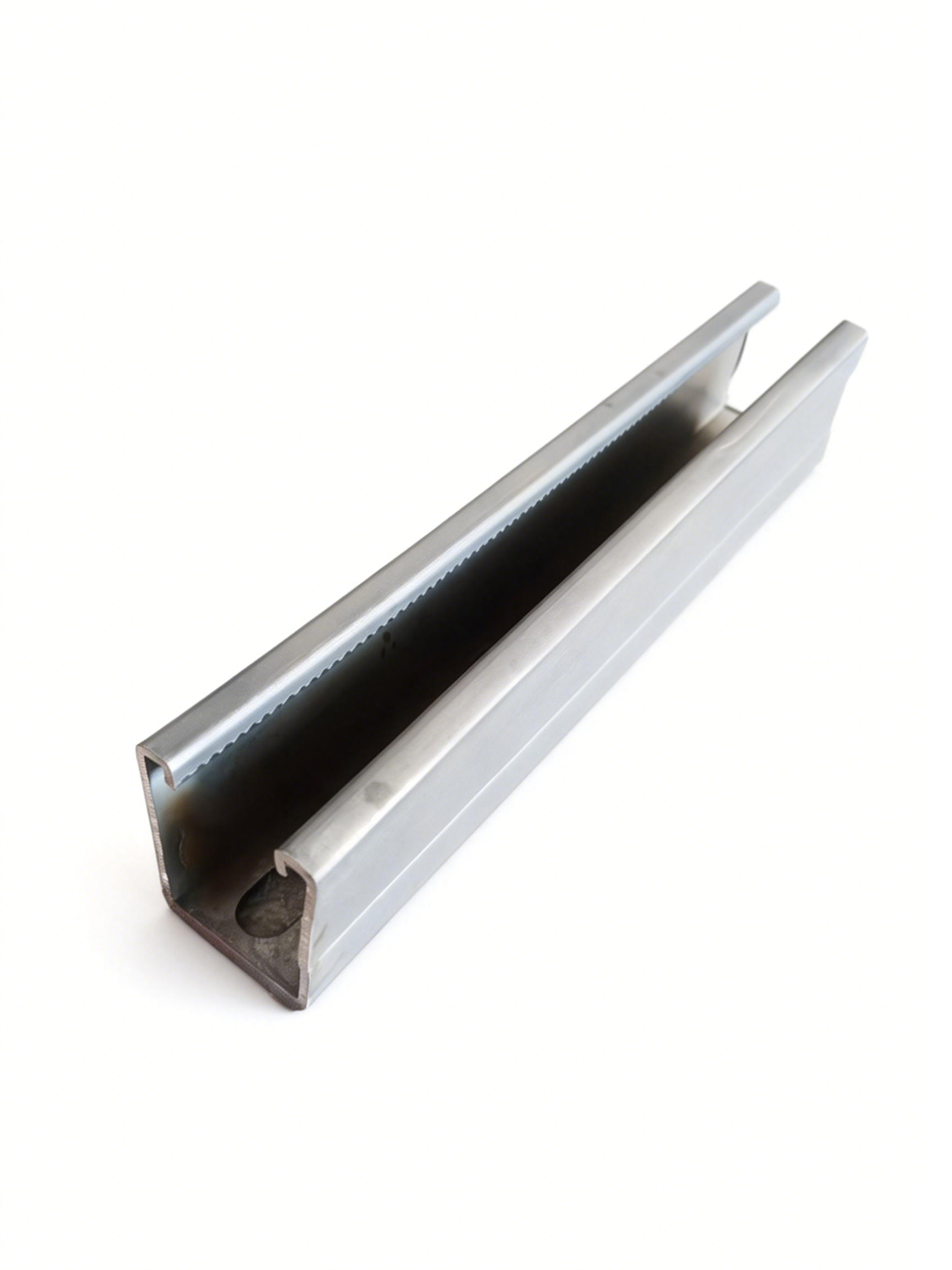
In the realm of renewable energy steel manufacturing, eco-friendly production processes take center stage by integrating energy-efficient technologies like hydrogen-based reduction methods and blast furnaces powered by biogas. These innovations slash carbon emissions by up to 90% compared to conventional methods, directly supporting the shift to sustainable energy sources such as wind and solar. The result is steel production that not only meets rising demand but does so with a dramatically reduced environmental footprint, ensuring long-term viability in a green economy.
Beyond energy use, these processes prioritize resource conservation through closed-loop water systems and extensive recycling of scrap steel, minimizing waste and water consumption. By removing hazardous byproducts and curbing pollution, the industry aligns with stringent environmental regulations while setting new benchmarks for circular economy practices. This holistic approach underscores how renewable energy steel can be both high-quality and environmentally responsible.
What truly sets this apart is the synergy with other green technologies, such as using steel in lightweight turbine components or solar panel frames that enhance energy efficiency across sectors. By investing in these advanced techniques, manufacturers future-proof their operations against climate risks, fostering innovation and resilience in a competitive global market. This forward-thinking mindset ensures steel remains a cornerstone of sustainability, driving progress without compromising the planet's health.
Innovative Design Features Enhancing Structural Performance
Innovative design features often integrate advanced materials like carbon fiber composites or shape memory alloys, which not only reduce weight but also adapt to stress loads dynamically, significantly boosting structural resilience in applications from aerospace to civil engineering.
Beyond materials, computational modeling tools such as finite element analysis enable precise simulation of structural behaviors under extreme conditions, allowing for optimized geometries that minimize material waste while maximizing load-bearing capacity and safety margins.
Additionally, smart monitoring systems embedded within structures use sensors and IoT connectivity to provide real-time data on wear, stress, and environmental impacts, facilitating proactive maintenance and extending the lifecycle of critical infrastructure.
Cost-Effective Solutions for Large-Scale Solar Installations
When tackling large-scale solar projects, cost-effectiveness isn't just about slashing initial prices—it's about optimizing the entire lifecycle from planning to decommissioning. Innovative approaches like using advanced bifacial panels, which capture light from both sides, can boost energy yields without significantly increasing space or material costs. Additionally, integrating smart tracking systems that adjust panel angles throughout the day enhances efficiency, reducing the payback period and making these massive installations more financially viable in the long run.
Another key strategy lies in leveraging economies of scale through standardization and bulk procurement of components, such as inverters and mounting structures. By partnering with manufacturers for customized designs tailored to specific site conditions, developers can minimize waste and streamline installation processes, cutting down on labor expenses and project timelines. This approach not only lowers upfront capital but also ensures reliability, as standardized parts often come with proven performance and easier maintenance protocols.
Beyond equipment, operational efficiencies like predictive maintenance using AI-driven analytics can prevent costly downtimes by identifying potential issues before they escalate. Combining this with community or corporate power purchase agreements (PPAs) secures stable revenue streams, offsetting financing costs and fostering sustainable growth. Ultimately, a holistic view that blends technological innovation with strategic financial planning makes large-scale solar installations not just cheaper to build, but smarter investments for a resilient energy future.
Quality Control Measures Ensuring Long-Term Reliability
To guarantee that products stand the test of time, implementing robust quality control measures is essential. This begins with meticulous material selection, where only high-grade components that meet stringent durability standards are chosen. Regular testing protocols simulate real-world conditions, from extreme temperatures to mechanical stress, ensuring that every item performs reliably over years of use.
Advanced inspection techniques, such as automated vision systems and precision measurement tools, play a key role in detecting even minor defects early on. By integrating these methods into the production line, manufacturers can proactively address issues before they escalate, reducing the risk of failures and enhancing overall product longevity. Continuous monitoring and feedback loops further refine processes, adapting to new challenges.
A commitment to long-term reliability also involves rigorous post-production checks and customer support. Warranties and lifecycle assessments provide valuable insights into performance over time, allowing for improvements in future designs. This holistic approach not only builds trust with users but also fosters a culture of excellence, ensuring that quality remains a cornerstone of every project.
Customization Options to Suit Diverse Project Requirements
Every project comes with its own unique set of challenges and goals, which is why our customization options are designed to adapt seamlessly to your specific needs. Whether you're working on a small-scale initiative or a large enterprise deployment, you can tailor features like module selection, user permissions, and integration capabilities to match your workflow precisely. This flexibility ensures that you're not stuck with a one-size-fits-all solution, but instead, have a tool that evolves alongside your project demands.
Beyond basic adjustments, we offer deep customization through APIs and extensible frameworks that let you build custom plugins or modify core functionalities. For instance, if your team requires specialized reporting tools or unique data handling processes, these can be developed without disrupting existing systems. This approach empowers you to innovate freely, turning our platform into a bespoke asset that enhances efficiency rather than imposing rigid constraints.
To illustrate, consider a scenario where a client needed to integrate legacy software with modern cloud services—our customization allowed for hybrid deployments that bridged old and new seamlessly. By offering such tailored options, we help you avoid costly overhauls and keep projects on track, no matter how diverse the requirements become. In essence, it's about giving you the control to mold the solution to fit, not the other way around.
FAQ
Custom Solar U Section Steel refers to specially designed U-shaped steel profiles tailored for solar panel mounting structures. Its importance lies in providing durable, adaptable support systems that maximize energy capture by optimizing panel angles and orientations in various terrains.
The manufacturing process involves advanced techniques like cold forming and galvanizing, allowing customization in dimensions, thickness, and coatings to meet specific environmental conditions and load-bearing needs, ensuring long-term performance and safety.
Key benefits include enhanced structural integrity through tailored designs, reduced material waste, easier on-site assembly, and better resistance to corrosion and weather extremes, leading to lower maintenance costs and higher efficiency.
By enabling rapid production of modular components, these solutions support scalable deployment across large or remote sites, facilitating quicker setup and integration with existing infrastructure to meet growing energy demands sustainably.
Examples include floating solar farms on water bodies, where the steel provides buoyant and stable platforms, and mountainous regions, where custom angles address uneven ground, showcasing versatility in diverse environments.
Quality control involves rigorous testing for strength, corrosion resistance, and dimensional accuracy, often using non-destructive methods and compliance with international standards, to guarantee durability and minimal degradation over decades.
Environmental considerations include using recycled steel materials, implementing energy-efficient production processes, and applying eco-friendly coatings to minimize carbon footprint and support overall sustainability goals in renewable projects.
Conclusion
In the evolving landscape of renewable energy, custom solar U section steel stands out as a cornerstone for durable and efficient infrastructure, driven by advanced fabrication techniques that enhance structural resilience. By integrating innovative design features, manufacturers optimize load-bearing capabilities and weather resistance, ensuring long-term performance in challenging environmental conditions. This focus on durability is complemented by eco-friendly production processes, which minimize waste and energy consumption, aligning with sustainable goals of renewable projects. Together, these approaches not only improve reliability but also reduce environmental impact, positioning U section steel as a forward-thinking solution in solar energy systems.
To support the scalability of solar installations, cost-effective solutions are implemented through streamlined manufacturing and bulk production strategies, making large-scale projects more financially viable without compromising quality. Rigorous quality control measures are embedded throughout the process, from material selection to final inspection, guaranteeing that each component meets stringent standards for safety and longevity. Additionally, customization options allow for tailored designs that adapt to diverse project requirements, whether for varied terrains or specific architectural needs. This blend of affordability, reliability, and flexibility ensures that custom solar U section steel delivers robust, adaptable solutions, empowering renewable energy initiatives to thrive with efficient and resilient infrastructure.
Contact Us
Contact Person: Simon
Email: [email protected]
Tel/WhatsApp: 8613672181100
Website: https://energetsolar.com/