

Chinese Brewing Equipment: A Complete Guide to Traditional and Modern Systems
2026-05-17
Brewing in China is a tale of two worlds—ancient clay pots fermenting rice wine in village courtyards, and gleaming stainless-steel systems churning out craft beer in urban taprooms. Whether you're drawn to the earthy simplicity of traditional methods or the precision of modern machinery, your setup defines the character of every batch. At the heart of this equipment journey lies craftsmanship and innovation, and few brands bridge that gap like DYE. In this guide, we’ll explore the full spectrum of Chinese brewing gear, from centuries-old techniques to cutting-edge automation, and show you how the right tools can transform your brew.
From Clay Pots to Conical Fermenters: The Evolution of Chinese Brewing Gear
Long before stainless steel became the standard, Chinese brewers relied on simple clay pots tucked into the earth. These unglazed vessels weren't just containers; their porous walls allowed micro-oxygenation and housed local yeast colonies, adding regional character to every batch. The slight mineral exchange from the clay also shaped fermentation, giving early rice wines and grain ferments a distinct, rustic backbone that modern equipment often struggles to replicate.
By the time trade routes flourished, bronze and carved wooden vats began appearing in larger breweries. The shift wasn't just aesthetic—metal offered better temperature control during long boils, and wooden lids could be weighted to manage pressure. Yet brewers soon noticed that certain prized aromas disappeared, hinting that something vital had been lost in the transition from earthenware. This spurred a quiet, centuries-long tinkering with shapes and materials, as craftsmen sought a balance between tradition and efficiency.
The conical fermenter, arriving with industrial advances, changed everything. Its sloped base naturally collects spent yeast, making harvesting cleaner and reducing waste. Stainless steel sealed the deal, offering sterilizable surfaces and consistent temperatures. Still, if you walk through a distillery today, you might spot a few clay jars sitting off to the side—a nod to the fact that even the most geometric fermenter can't fully capture the living, unpredictable grace of the old ways.
Traditional Brewing Essentials: The Tools That Defined an Era
Before stainless steel and automated systems, brewing relied on a handful of sturdy, time-tested implements. The copper kettle was the heart of the brewhouse—its even heat distribution prevented scorching and subtly shaped the malt profile. These kettles often stayed in service for decades, acquiring a seasoned patina that brewers swore improved each batch. Alongside it, wooden mash tuns and open fermenters crafted from oak or cypress introduced wild microflora, adding layers of character that modern closed systems struggle to replicate.
Hand-operated grain mills and long-handled rakes were standard, demanding physical labor and constant attention. The brewer’s senses—sight, smell, touch—were the real instruments for judging temperature and conversion. There were no digital readouts; instead, a thumb pressed against the side of a tun or the aroma rising from the lauter told the story. This reliance on intuition turned brewing into a craft deeply rooted in rhythm and feel, where each tool had its own relationship with the maker.
Siphons, wooden paddles, barrel chimes, and simple glass hydrometers might seem humble now, but they built the foundation for entire brewing traditions. Their designs changed little over generations because they worked. In an era defined by these essentials, quality came not from complexity but from an intimate understanding of materials and process—a legacy quietly preserved in the corners of old brewhouses and small-batch revivals today.
Inside a Modern Chinese Brewery: Equipment for Precision and Scale
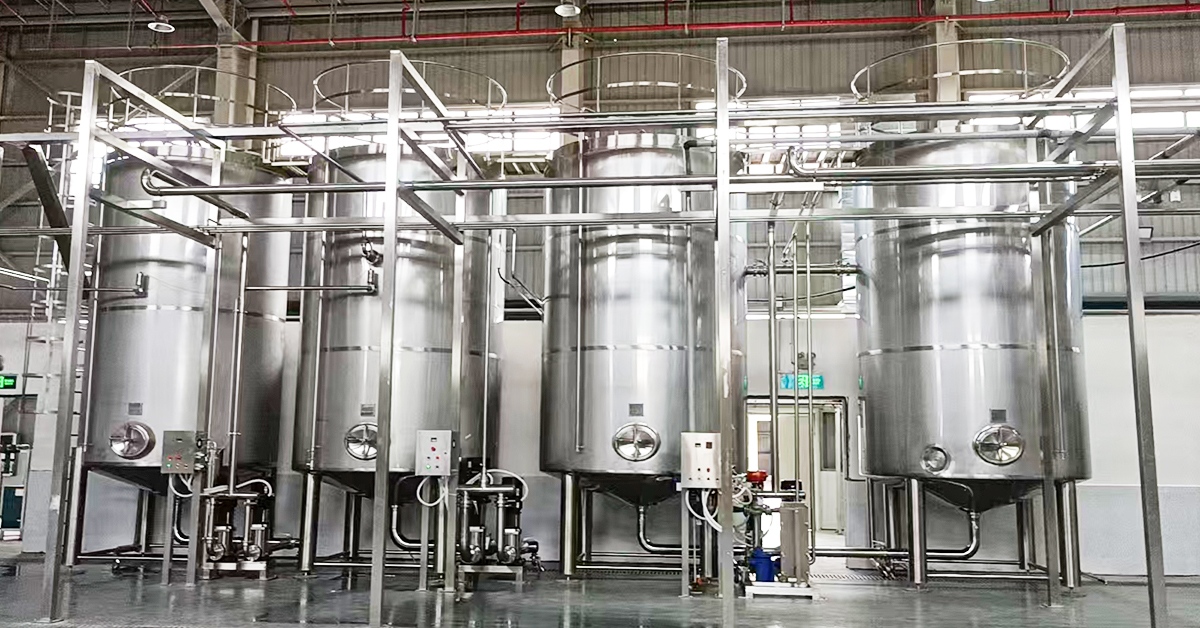
Walking through the brew hall of a modern Chinese brewery, you immediately sense the marriage of tradition and technology. Gleaming stainless steel vessels tower overhead, their surfaces cool to the touch, precisely regulating temperatures within a fraction of a degree. These aren’t just large tanks; they’re part of a nerve system that monitors every stage of the brewing process, from mashing to fermentation, with sensors that feed data to a central control room.
What sets a scaled operation apart is the seamless integration of automation. Conveyors silently move malt into the mill, while pumps calibrated for smooth transfers minimize oxygen pickup. The lauter tun, equipped with rakes that adjust their angle dynamically, extracts sugars with an efficiency that artisanal setups can only dream of. Every step, from hop addition to yeast pitching, is orchestrated by software that learns and adapts, ensuring consistency across millions of bottles.
Beyond the machinery, the facility’s layout itself reflects a philosophy of flow and hygiene. Clean-in-place systems snake through the pipes, sanitizing without disassembly. Even the laboratory, humming with gas chromatographs and spectrophotometers, feels like an extension of the brewery floor, with brewers and chemists working side by side. It’s a place where precision isn’t just a buzzword—it’s the pulse that keeps colossal volumes of beer tasting exactly as intended.
The Material Trio: How Clay, Wood, and Stainless Steel Influence Your Beer
There's an unspoken conversation happening between your beer and the vessel it rests in, a silent swap of character that can transform a simple sip into something memorable. Clay, wood, and stainless steel each bring their own deep histories and quirks to the table, and once you start paying attention, you'll notice how they nudge the flavor, aroma, and even the mouthfeel in subtle directions. It's not about one being better—it's about the quiet story each material tells when it meets a brew.
Think of clay as the earthy storyteller, still holding the memory of ancient fermentation pits. Porous and slightly breathable, it can mellow sharp edges and lend a whisper of mineral coolness that feels almost tactile on the tongue. Wood, by contrast, is a generous layerer—oak barrels might donate vanilla or toast, but it's the slow oxygenation through the staves that weaves in complexity, turning a beer into something that unfolds rather than just arrives. Stainless steel, the honest minimalist, steps back completely; it preserves the brewer's intention without adding a single note of its own, letting hops and yeast speak with unclouded precision.
Next time you lift a glass, try to trace the path the beer traveled. That stainless fermenter kept it crisp and bright, while a few months in a bourbon barrel could have wrapped it in warm, boozy caramel. Even a ceramic mug at a street festival might reshape a pilsner into something rounder, softer—proof that the material isn't just a container, but an ingredient in its own quiet way.
Process & Hardware: Where Brewing Art Meets Machine
Every stout, lager, or ale begins with a conversation between raw ingredients and the hands that guide them—but it’s the machinery that translates intention into repeatable magic. Milling the grain just right, mashing at precise temperatures, and coaxing sugars from barley all depend on a choreography of sensors, pumps, and heating elements that never sleep. It’s a world where a half-degree drift or a few extra seconds of recirculation can turn a crisp pilsner into something altogether different. Yet the best setups aren’t about cold automation; they’re about giving the brewer more control, more consistency, and more time to focus on the creative leaps that make a beer memorable.
Beyond the brew deck, fermentation vessels and conditioning tanks become silent partners in flavor development. Conical fermenters, with their carefully angled bottoms, allow yeast and sediment to settle naturally while making harvesting and cleaning far simpler. Temperature-controlled glycol jackets wrap around these towering stainless giants, maintaining the narrow band where a specific strain performs its quiet alchemy—and where off-flavors are kept firmly at bay. Dry-hopping ports, spunding valves for natural carbonation, and racking arms that pull clear beer from just above the trub are all examples of hardware choices that directly shape what ends up in the glass. Each piece isn’t just metal; it’s a deliberate decision that reflects a brewery’s philosophy and style.
The real art emerges when process and hardware fuse seamlessly on brew day. A well-laid-out brew system reduces unnecessary lifting, awkward valve manipulation, or frantic hose swaps that can disrupt rhythm and invite contamination. Plate chillers, oxygenation stones, and inline carbonation systems might seem like secondary add-ons, but they’re often what separate a good beer from a great one—making hop aroma burst or smoothing mouthfeel in ways that feel effortless. At every level, from nanobreweries to large production floors, the marriage of thoughtful process design with the right equipment turns brewing from a recipe-following exercise into a living craft. It’s not about machines running the show; it’s about machines learning the dance so the brewer can lead.
Beyond the Kettle: Sustainability and Smart Brewing Technology
The humble kettle is undergoing a quiet revolution, evolving from a simple water-boiler into a cornerstone of eco-conscious kitchens. Modern designs now prioritize energy efficiency through features like rapid-boil zones that heat only the water you need, slashing electricity use. Materials matter too: manufacturers are shifting away from virgin plastics, embracing recycled stainless steel and biodegradable components. Some even integrate timers that sync with off-peak energy hours, letting you brew your morning coffee with a lighter carbon footprint.
But sustainability isn’t just about power consumption—it’s about rethinking convenience. Smart kettles connected to home systems can learn your routines, suggesting just the right amount of water for your favorite mug and reducing waste. They also send maintenance nudges, like descaling alerts, which extend the appliance’s lifespan and cut down on premature replacements. It’s a shift from disposable culture to mindful, long-term use, wrapped in sleek design that fits naturally into today’s connected homes.
Beyond the gadget itself, these brewing companions spark broader conversations about resource ethics. By making water conservation and energy savings tangible—think apps that track your impact over months—they turn daily rituals into teachable moments. The future kettle isn’t just a kitchen tool; it’s a quiet advocate for a more deliberate, planet-friendly way of living, one cup at a time.
FAQ
The core tools include a Yixing clay teapot, small porcelain cups, a tea tray with drainage, a fairness pitcher for even pouring, bamboo tongs, a tea scoop, and a kettle for boiling water. Each piece plays a role in controlling temperature, aroma, and the flow of the ceremony.
Modern setups use stainless steel fermentation tanks with precise temperature control, automated pressing machines, and UV sterilization. This speeds up production and ensures consistency, but some small distilleries still handcraft certain steps to preserve regional nuances.
The classic design, often called a pot still, is made of clay or copper over a wood fire, relying on the brewer's experience to manage the 'cut' of the distillate. Industrial versions use column stills with multiple plates, digital sensors, and continuous operation for higher yields and neutral spirits.
Yes, travel tea sets have become popular. They usually include a compact gaiwan, two cups, and a carrying case, sometimes with a built-in strainer. It's a convenient way to steep loose-leaf tea anywhere without sacrificing the traditional method.
Wood is used for scoops, trays, and handles because it's heat-resistant and gentle on delicate teaware. It also absorbs drips silently during a tea ceremony, adding a sensory layer. Some brews, like certain baijiu, are stored in oak or mulberry barrels to mellow the flavor.
They're incorporating ingredients like osmanthus, Sichuan pepper, or jasmine into IPAs and stouts. Equipment-wise, they use Western-style mash tuns and fermenters but often add a traditional-style cold steeping step or age beer in old huangjiu jars for a unique twist.
Interestingly, yes. The concept of a gongfu tea tray with drainage has inspired some home beer brewing setups for managing spills. And the precision of tea scales for measuring leaf is mirrored in small-batch spirit production, where accurate measurements are crucial.
Conclusion
The story of Chinese brewing equipment is one of continuous innovation rooted in centuries of tradition. Early brewers relied on humble clay pots for fermentation and storage, their porous walls subtly influencing flavor and texture. These were the tools that defined an era: wooden steamers for grain cooking, bamboo trays for cooling, and stone mills for grinding, each piece crafted with an artisan's understanding of material and process. The warmth of wood imparted gentle, earthy notes, while clay's breathability allowed for natural micro-oxygenation, creating beers with a distinct regional character. This hand-built heritage still echoes in small-scale operations, where ancient methods persist not out of nostalgia but because they offer a sensory fingerprint no machine can replicate.
Today, China's breweries balance this legacy with cutting-edge technology. Conical fermenters, automated lauter tuns, and precision temperature-controlled systems dominate modern facilities, enabling brewers to scale without sacrificing consistency. Stainless steel, sterile and inert, has become the default, yet a growing number of craft brewers are rediscovering clay and wood for barrel-aging, blending old and new to craft beers with layered complexity. Beyond the kettle, sustainability drives innovation: energy-efficient brewhouses, water recycling loops, and smart sensors that monitor fermentation in real time. This integration of art and machine means a brewer can control every variable while still allowing the soul of raw materials to speak. As China's beer culture matures, its equipment evolves—not as a break from the past, but as a dialogue between the potter's wheel and the digital dashboard.
Contact Us
Contact Person: Ada Xu
Email: [email protected]
Tel/WhatsApp: 0577-86806088
Website: https://www.dayuwz.com/