
Best Equestrian Jodhpurs: Ultimate Guide to Comfort and Style
2026-06-14
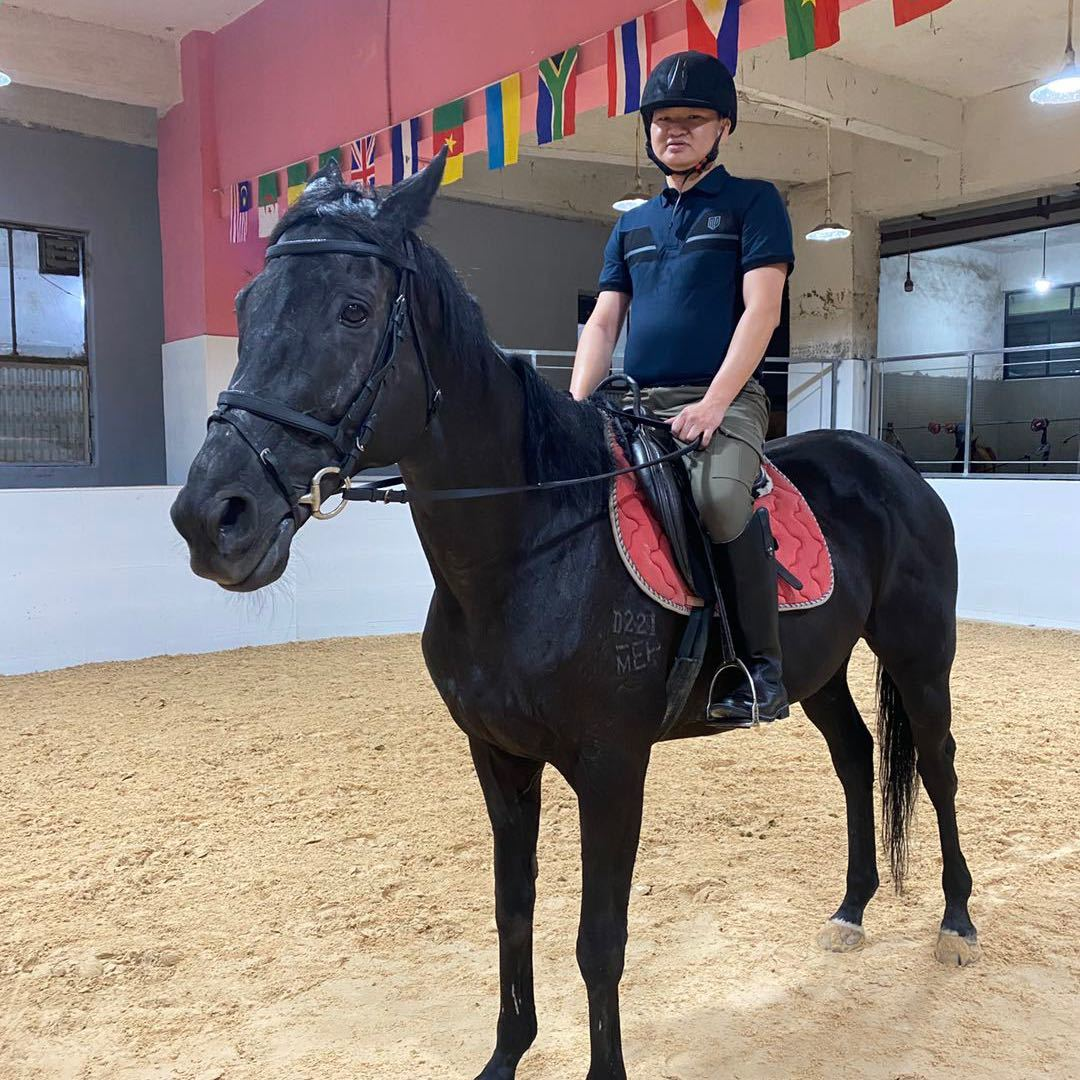
Finding the perfect pair of jodhpurs is about more than just looking the part—it's about feeling confident and secure every time you ride. Whether you're schooling a green horse or competing under pressure, the right fit can make all the difference. In this guide, we explore what truly sets exceptional jodhpurs apart, from performance fabrics to thoughtful design details. We'll also share why riders are turning to OpeEquestrian for gear that combines lasting comfort with timeless style—without compromising on the demands of daily training. Read on to discover how the right pair can elevate both your performance and your enjoyment in the saddle.
Why Jodhpurs Aren’t Just Pants: The Real Role They Play in Your Ride
Riders who’ve spent any time in the saddle quickly realize that jodhpurs are much more than a fashion statement. These close-fitting breeches might look like trendy trousers, but they’re engineered with a purpose that far exceeds casual wear. Their design is a direct response to the demands of riding, blending comfort, durability, and subtle cues that can make or break a ride.
The most obvious functional trait is the lack of inner-thigh seams, a detail that prevents the painful rubbing and blisters that regular pants would cause during hours of posting trot. The fabric itself usually boasts a bit of stretch and a grippy knee patch or full seat, which provides the stability needed to stay secure without restricting movement. This thoughtful construction allows riders to give nearly invisible aids through subtle weight shifts, something baggy jeans would completely absorb.
Beyond physical comfort, jodhpurs play a silent role in the conversation between horse and rider. The close contact they provide transmits the horse’s movement directly, letting you feel every muscle and nuance. That feedback loop is essential for balance and precise communication, turning a simple pair of pants into a vital piece of riding equipment that helps keep both partners safe and in sync.
The Fit Fix: Decoding Stretch, Compression, and That Just-Right Feel
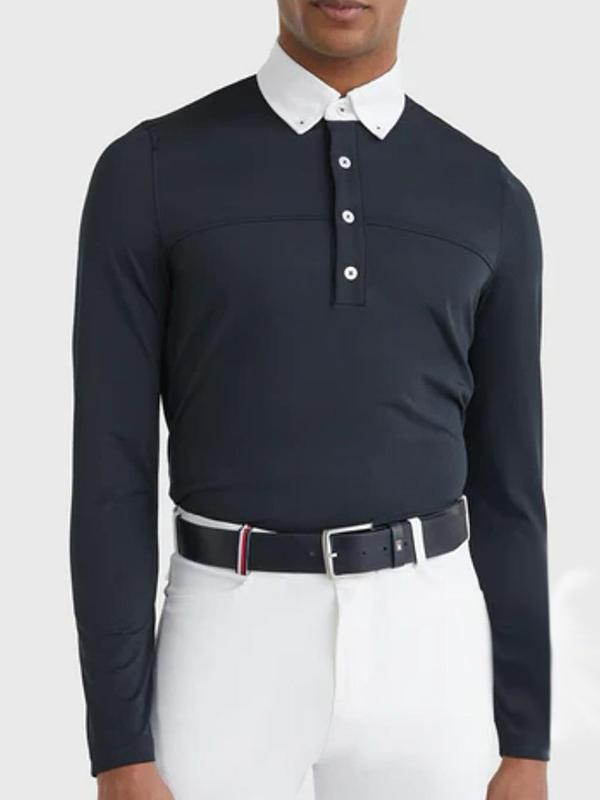
Clothing shouldn’t fight you. The difference between stretch and compression often gets muddled, but it’s the secret behind every piece you can’t stop wearing. Stretch fabrics move with your body, offering a forgiving hug that adapts without constricting. Compression, on the other hand, is deliberate—it holds everything in place, like a trusted spotter at the gym. Knowing which one you’re after transforms a frustrating shopping trip into a quick grab-and-go.
That elusive “just-right” feel sits in the middle. It’s the pair of jeans that flexes when you bend down but doesn’t bag out by noon. Or the top that smooths without making you count down the minutes until you can peel it off. Getting there means paying attention to fabric blends—look for elastane or spandex percentages that match your activity level, and don’t ignore seam placement. A well-placed panel can mean the difference between a second skin and a straightjacket.
The real trick is tuning into your own comfort. Some days you want that held-in structure, other days a soft drape feels like freedom. No label will tell you which one fits your mood—you have to move, twist, and breathe in it. When the fabric aligns with your rhythm, the fit stops being a problem and just becomes part of you.
Sweat, Rain, and Arena Dust: Choosing Fabrics That Keep Up With You
When you're pushing through a workout, caught in a summer downpour, or kicking up dust in a training arena, the clothes on your back face a battery of challenges. Cotton soaks up moisture, gets heavy, and chafes — the last thing you need when you're already sweating. The right fabric should work with your body, not against it, pulling moisture away so you stay dry and light on your feet. It also needs to resist the cling of dirt and the sting of an unexpected shower without turning into a soggy mess.
Synthetics like polyester and nylon have evolved far beyond the stiff, swampy blends of the past. Modern variations wick sweat efficiently, dry in minutes, and often feature a durable water-repellent (DWR) finish to shed light rain and dirt. Merino wool is another standout — it breathes naturally, fights odor, and insulates even when damp. For dusty environments, tighter weaves keep particles from working into the fabric. Look for details like ventilation zones, flat seams, and stretch that moves with you. The goal is a kit that handles sweat, rain, and dust without making you think about it, so you can focus on the effort, not the elements.
Grip Tech Demystified: Silicone vs. Suede and When It Actually Matters
Silicone grips feel instantly tacky the moment you wrap your fingers around them—almost sticky, even when dry. That initial cling can inspire confidence, but it comes with a trade-off: silicone tends to trap oils and sweat against the surface, turning into a slick mess during marathon gaming sessions. You’ll notice this on aftermarket controller grips and some budget mice, where the material shines after a few weeks and loses that day-one bite.
Suede, or its synthetic cousins often labeled as “performance leather,” takes a different path. It’s not as immediately grabby, but it pulls moisture away from your palm, actually improving grip as your hands heat up. The micro-texture creates a dry-on-dry friction that feels more consistent over hours of use. You’ll find it on higher-end steering wheels and luxury gaming mice, where the focus is on endurance rather than first impressions.
When does the choice actually matter? If you play in short bursts or prize that instant locked-in feel, silicone wins. But for sim racers grinding endurance events or FPS players who don’t want to wipe their mouse every round, suede’s sweat-wicking stability is a game-changer. Think about your own palm climate—some runs hot, others cold and dry—and forget the marketing fluff. The real question is whether your gear still performs when the adrenaline hits and the sweat starts to flow.
From Barn to Brunch: Jodhpurs That Don’t Scream ‘I Just Left the Stable’
Jodhpurs have quietly stepped out of the stable and into the café. The latest versions swap stiff, rugged fabric for something softer and more forgiving, with a cut that skims the body without screaming “equestrian.” Losing the bulky knee patches and opting for flat-front designs makes them look less like riding gear and more like a deliberate fashion choice.
Details matter here: look for side-zip closures instead of traditional fly fronts, and keep an eye out for subtle taper through the calf rather than a full flared leg. These tweaks create a streamlined silhouette that pairs surprisingly well with a chunky knit or a tailored jacket. The fabric should have a bit of weight—think fine-gauge cotton twill or blended wool—so they hold their shape without adding bulk.
Styling them for brunch means balancing the sporty roots with polished pieces. A silk shell and a lightweight cashmere cardigan instantly dress them up, while a pair of sleek ankle boots or loafers keep the look grounded. The goal isn’t to hide where they come from, but to let the heritage peek through in a way that feels effortless, not costume-like.
Rider-Tested Wear and Tear: What Holds Up After Months of Chores and Canters
After half a year of mucking stalls, hauling hay, and logging countless canters, the saddle that still impressed me most was one I’d initially dismissed as too stiff. The leather on the flaps has softened into a glove-like grip without sagging, and the billets—usually the first to crack—remain surprisingly pliant. Even the stirrup leathers, which I fully expected to replace by now, show only a slight stretch, nothing a hole adjustment couldn’t fix.
Blankets and sheets took a genuine beating from pasture romps and a particularly enthusiastic gelding who treats fences like suggestions. The one that held up best features a ballistic nylon outer that shrugged off snags and a lining that didn’t pill into fuzz after repeated washings. Buckles stayed secure, leg straps didn’t twist into chaos, and the whole thing dried fast enough to go right back on the horse the next chilly morning.
What surprised me more than anything, though, was how well my everyday riding gloves managed months of sweat, rein work, and being tossed damp into the tack trunk. They didn’t stiffen into cardboard or develop holes where the reins rub. The reinforced palm patch stayed intact, and the touchscreen fingertips still worked—though I don’t recommend texting from the saddle. All told, the gear that lasted wasn’t necessarily the priciest; it was the stuff built with a real understanding of the chaos a working barn dishes out.
FAQ
Jodhpurs are cut with a snug fit from the waist to the ankle, ending with a cuff that sits just above the boot, while regular riding pants often have a looser leg and might not have the same reinforced knee patches. The close contact design helps with grip and allows for better communication with the horse.
High-waisted designs offer extra core support and prevent the breeches from slipping down during active riding. They also create a cleaner silhouette under a show jacket and are often more comfortable for long hours in the saddle, as there's no digging waistband.
Look for technical fabrics with moisture-wicking properties and mesh panels. Lightweight cotton blends with a bit of elastane are breathable, but modern performance materials like Coolmax or Aerowear keep you significantly cooler by pulling sweat away from the skin and drying fast.
It comes down to personal preference and the type of riding. Knee patches give a bit more freedom in the lower leg and are often preferred for jumping, while full-seat silicone or leather grips provide maximum stability for dressage or long trail rides where you're in the saddle for hours.
Pre-treat any stains with a gentle stain remover before washing, then wash them inside out in cold water with a mild detergent. Avoid fabric softeners, as they can break down the grip patches. For stubborn marks, a paste of baking soda and water works wonders on the fabric before a regular wash cycle.
Absolutely. Jodhpurs are designed to finish with a close-fitting cuff that sits neatly under half chaps or tall boots. With short boots and half chaps, the jodhpur cuff prevents bunching and keeps everything streamlined, which can be more comfortable for everyday schooling and hacking.
Opt for a classic neutral color like beige, white, or canary. Subtle details like a seamless front, contoured waistband, and minimal branding give a professional appearance. Ensure the silicone or leather grip pattern is not too flashy, and the cuff should be clean and free of fraying threads.
When in doubt, size down rather than up with jodhpurs, as they are designed to stretch and mold to your body. A snug fit is essential for performance—excess fabric can cause chafing and reduce grip effectiveness. Take your measurements accurately and check the brand's size chart, paying special attention to the waist and inside leg length.
Conclusion
Finding the best equestrian jodhpurs goes far beyond picking a pair of tight pants. They’re engineered to move with you, offering a blend of stretch and compression that keeps muscles supported without restricting your seat. The right fit feels like a second skin—snug enough to avoid bunching under boots, yet flexible for posting trots and deep seat work. Fabrics matter too: modern blends wick sweat, shed light rain, and brush off arena dust, so you stay comfortable through long schooling sessions. And then there’s grip. Silicone prints offer aggressive stick for jumping or cross-country, while suede or leather-like panels give a subtle hold ideal for dressage. Knowing when to choose one over the other can transform your confidence in the saddle.
But function doesn’t have to come at the expense of style. Today’s designs blur the line between barn wear and casual street clothes, with contoured silhouettes, muted tones, and details that look just as good at a café as they do in the stirrups. Durability is key: reinforced seams, abrasion-resistant knees, and quality zippers survive countless rides and chores without losing shape or color. The best jodhpurs are those that endure everything from mucking out to galloping sets, emerging with their structure intact and no embarrassing thin spots. Ultimately, the true test is how they make you feel—poised, prepared, and utterly at ease, whether you’re schooling a green horse or grabbing a post-ride coffee.
Contact Us
Contact Person: Keven Tong
Email: [email protected]
Tel/WhatsApp: +86 18666477707
Website: https://www.ope-technology.com