
Best Digital Bus Stop Sign Solutions for Smarter Public Transit
2026-07-13
Imagine a world where waiting for the bus is no longer a guessing game. Digital bus stop signs are transforming public transit, and with innovative solutions from zemso, cities are turning frustration into seamless journeys. As we explore the smartest approaches to real-time passenger information, you’ll discover how modern technology is making buses more reliable, accessible, and efficient than ever before.
Real-Time Passenger Info Displays
Gone are the days of peering down a dark track or squinting at a distant bus, hoping for any sign of your ride. Real-time passenger info displays have quietly transformed the waiting experience, turning that uncertain stretch of time into a manageable moment. By pulling live data from GPS trackers and scheduling systems, these screens show exactly when the next service will arrive—not just its scheduled time, but its actual, on-the-ground ETA. For frequent travelers, that means less guesswork and more confidence, whether they’re dashing for a connection or grabbing a coffee before the doors close.
What makes these displays truly useful is how they handle disruptions. When a train stalls or a bus gets rerouted, the data refreshes automatically, pushing updated arrival counts or delay alerts without needing manual input. Some systems even respond to passenger patterns, highlighting alternate routes or nearby stops when a service is significantly off schedule. It’s not just about accuracy—it’s about giving people back control over their time, turning chaos into clarity on a busy platform.
Solar-Powered E-Paper Screens
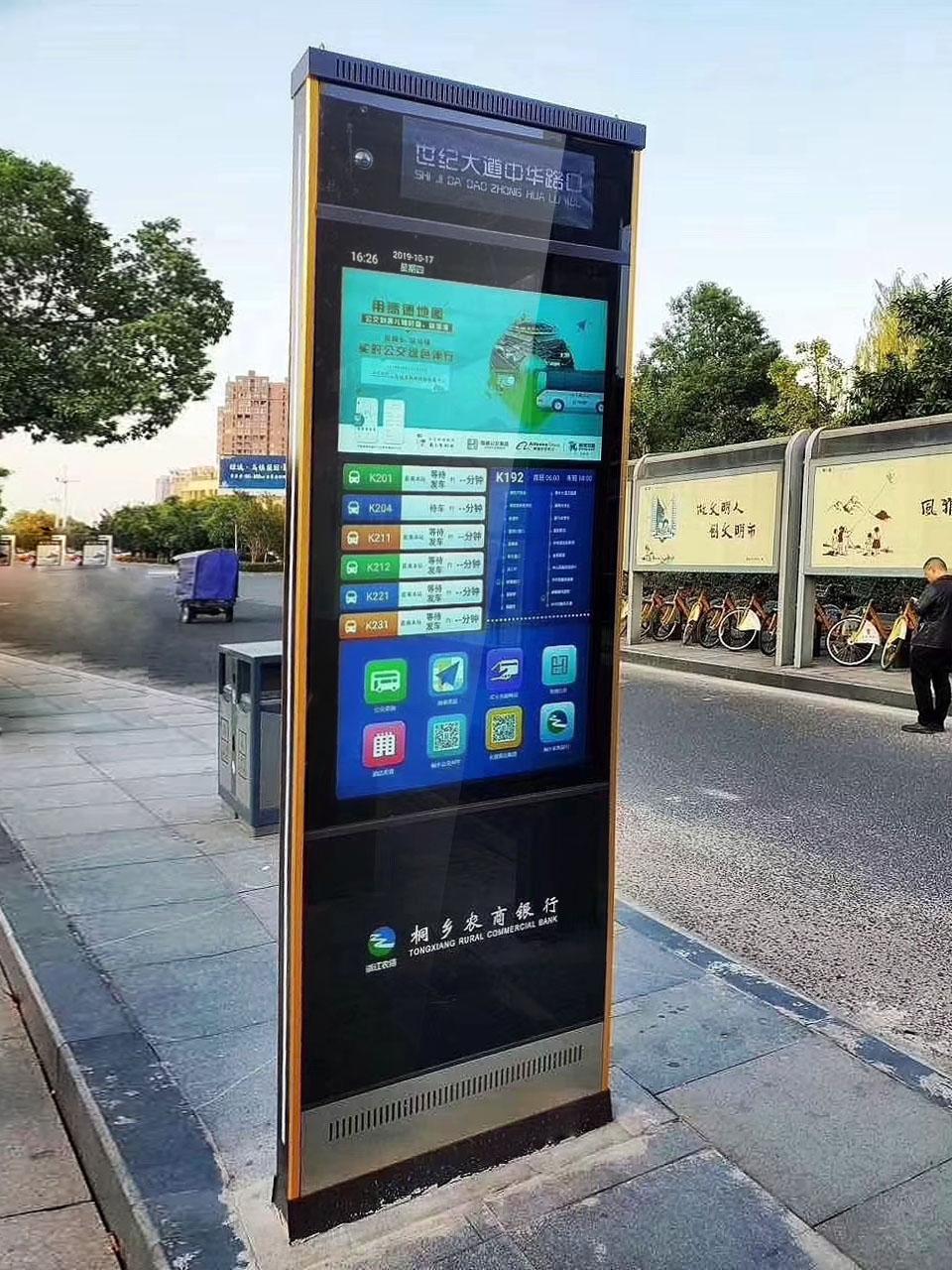
Harnessing ambient light to power displays might sound like a far-off concept, but solar-powered e-paper screens make it a practical reality. These ultra-low-energy panels sip electricity so sparingly that a tiny photovoltaic cell, even indoors, can keep them refreshed indefinitely. Unlike power-hungry LCDs or OLEDs that demand constant backlighting, e-paper only uses energy when the image changes, allowing it to run for months on a single charge—or no charge at all if paired with even modest solar input.
The magic lies in the reflective nature of electrophoresis: microscopic capsules with charged ink particles rearrange to form text or graphics, then lock in place without further power. This bistability means a solar cell smaller than a matchbook can maintain a 6-inch display in a well-lit room, never tethered to an outlet. It’s quietly transformative for applications like bus stop schedules, electronic shelf labels, or smart building directories—anywhere a persistent, crisp image is needed without trenching wires or replacing batteries.
Beyond convenience, the environmental edge is sharp. By ditching disposable batteries and cutting grid dependence, these screens shrink electronic waste and carbon footprints. Designers are now embedding them into public signage, IoT sensor readouts, and even art installations, where the display becomes a self-sustaining canvas. As photovoltaic efficiency ticks upward and e-paper film gets thinner and more flexible, we’re moving toward a world where information simply floats where it’s needed—powered by daylight alone.
Interactive Transit Maps
Gone are the days of squinting at static PDFs or trying to decode a tangled web of colored lines. Modern interactive transit maps bring entire networks to life, letting you tap on any station to see departure times in real time, explore nearby points of interest, or instantly plot the fastest route across bus, rail, and ferry connections. The map becomes a living dashboard, adapting to service disruptions and even crowd levels, so you’re never left guessing which platform to run to.
What makes these maps truly powerful is how they handle the complexity behind the scenes. Instead of overwhelming you with every possible detail, smart filtering lets you focus on exactly what matters—your commute lines, accessible entrances, or night services. Some maps even remember your frequent stops and quietly surface helpful alternatives when your usual train is delayed, turning a once‑static diagram into a subtle personal assistant.
Under the hood, the best interactive maps are built on open data and thoughtful design principles that prioritize clarity over flash. Smooth zooming, high‑contrast modes for low‑vision riders, and multi‑language support are no longer afterthoughts but core features. By blending real‑time feeds with clean visual hierarchy, these tools don’t just show where you are—they help you feel in control of the entire urban fabric around you.
Multilingual Audio Announcements
In bustling transportation hubs and large public venues, clear communication is critical. Multilingual audio announcements bridge the gap between operators and a diverse audience, delivering real-time information in several languages simultaneously. From gate changes at an airport to safety instructions on a ferry, these systems ensure that every traveler receives the same message promptly, reducing confusion and enhancing overall flow.
Modern solutions go beyond simple pre‑recorded messages. Advanced text‑to‑speech engines, combined with intelligent scheduling software, can generate natural‑sounding announcements in dozens of languages on the fly. This flexibility allows venues to respond to unexpected events—like delays or emergencies—without relying on a single human announcer who might not cover all required languages. The result is a more inclusive environment where language barriers are minimized.
Integration with existing public address infrastructures is often straightforward, making upgrades cost‑effective. Venues can customize voice profiles, adjust speaking rates, and even add regional dialects to match their audience. Whether it’s a boutique hotel greeting international guests or a stadium coordinating crowd movements, tailored multilingual announcements elevate the visitor experience while maintaining operational efficiency.
Cloud-Based Content Management
Moving content operations to the cloud reshapes how teams collaborate and publish. Instead of wrestling with local servers and version conflicts, editors and developers work in a unified space where updates happen in real time. This shift removes the friction of manual file transfers and scattered storage, letting creative work flow without the usual technical hiccups.
A well-built cloud content hub brings structure to growing libraries of articles, images, and multimedia. Granular access controls ensure the right people can edit, approve, or view assets, while automated workflows handle recurring tasks like formatting or distribution. The result is less administrative overhead and more time spent on crafting compelling material.
Beyond convenience, cloud-based systems adapt as needs change. They scale seamlessly during traffic spikes, integrate with essential third-party tools, and keep data secure through encrypted transfers and backup routines. For organizations that value agility, moving content management out of on-premise constraints is a practical step toward faster, more reliable delivery.
Accessibility-Driven Design
Building products with accessibility at the core means more than checking boxes for compliance. It's about recognizing that people interact with digital spaces in vastly different ways—through screen readers, keyboard-only navigation, voice commands, or simply needing higher contrast. When you start from this mindset, you naturally craft experiences that adapt to real human needs, not just theoretical use cases.
In practice, accessibility-driven design pushes teams to question defaults. Why does that carousel auto-advance? Can someone fill out this form without a mouse? These questions lead to cleaner code, clearer content hierarchies, and interfaces that hold up across devices. It's less about following rigid guidelines and more about cultivating a habit of thoughtful accommodation—where color choices, focus states, and alt text become as fundamental as pixel perfection.
The ripple effect is tangible: users feel respected, bounce rates drop, and brand trust grows without a single campaign. Companies that embed accessibility early report fewer expensive retrofits and fewer frustrated customers. Ultimately, designing for inclusivity isn't a constraint—it's a quiet superpower that makes digital products work better for everyone, including those who never thought they needed it.
FAQ
They're displays at stops that show real-time bus arrivals, route info, and alerts. They matter because they reduce uncertainty, help passengers plan better, and make public transit feel more reliable and user-friendly.
By giving live info, they eliminate guesswork. Riders see exactly when the next bus comes, plus any delays or detours. Some even show maps or local points of interest, making waiting less stressful.
Look for e‑paper or LED screens that are readable in sunlight, real‑time data integration, remote management, and battery‑solar power options. Accessibility features like audio announcements and high-contrast modes are also crucial.
Absolutely. Most modern systems pull data from the same GTFS feeds apps use, so the sign shows the same info as your phone. This keeps everything consistent and simplifies updates for the agency.
They rely on GPS trackers on buses, combined with prediction algorithms. The system constantly calculates arrival times based on current locations, traffic, and schedule adherence, then pushes updates to the sign.
They often pay for themselves through higher ridership and passenger satisfaction. While upfront costs exist, lower maintenance (e‑paper uses minimal power) and reducing phone‑related customer complaints help balance the budget.
Main ones include securing power where it's lacking, weatherproofing for harsh climates, and minimizing vandalism. Connectivity can also be tricky in rural areas, but cellular networks and solar panels are solving this.
They're built with rugged enclosures, anti‑glare glass, and tamper‑resistant mounts. Displays are rated for high heat, cold, and rain. Many use toughened e‑paper that's hard to shatter, and some have remote monitoring to flag issues instantly.
Conclusion
Modern urban mobility demands innovative solutions that keep passengers informed and connected. Among the most effective are digital bus stop signs that integrate real-time passenger information displays with solar-powered e-paper screens, ensuring clear, energy-efficient updates even in direct sunlight. Interactive transit maps allow travelers to explore routes, check connections, and plan journeys on the spot, turning a simple wait into a productive part of the trip. These smart displays reduce uncertainty and foster greater confidence in public transit systems.
Equally crucial is making transit accessible to everyone. Multilingual audio announcements cater to diverse populations, while accessibility-driven design—like high-contrast visuals and tactile interfaces—ensures inclusivity for passengers with visual or hearing impairments. Behind the scenes, cloud-based content management platforms let transit authorities update schedules, reroute alerts, and emergency messages instantly across an entire network. Together, these technologies create a seamless, responsive, and human-centered experience that transforms the humble bus stop into a gateway to smarter, more sustainable cities.
Contact Us
Contact Person: Leo
Email: [email protected]
Tel/WhatsApp: +86 18901905138
Website: https://www.zemsogroup.com/