

Best Aluminum Cylinder Head: Choosing the Right One for Your Engine
2026-07-01
Upgrading your engine’s cylinder heads can unlock serious power, but with so many aluminum options on the market, finding the right one feels like navigating a maze. Whether you’re chasing higher compression, better airflow, or simply replacing worn-out parts, the material and design matter more than most realize. Among the names worth knowing, DDR has been quietly earning respect from builders who demand durability without sacrificing performance. In this guide, we cut through the noise to help you pick the best aluminum cylinder head for your specific build—so you can turn wrenches with confidence, not guesswork.
Why Aluminum Heads Outshine Cast Iron
The first thing you feel behind the wheel isn't horsepower or torque—it’s response. Aluminum cylinder heads slash weight exactly where it matters most: high up and forward in the chassis. That reduction transforms turn-in, brake dive, and front-end agility into something cast iron can't match. It's the difference between a nose that reluctantly follows your steering input and one that darts eagerly toward the apex. Numbers on a spec sheet don't capture how much more communicative and playful a car becomes when sprung weight disappears from its shoulders.
Beyond the scales, aluminum’s thermal behavior reshapes what an engine can do on pump gas. It wicks heat away from combustion chambers aggressively, dramatically reducing hot spots that trigger detonation. Tuners exploit this relentlessly: bump the compression, advance the timing, and pour in boost without constantly flirting with knock. The result is an engine that not only survives leaner, meaner conditions but positively thrives in them, churning out power curves that would drive a cast-iron head into protective limp mode.
Then there’s the overlooked reality of repairability and refinement. A cracked aluminum head often lands on a welder’s bench and returns to service—cast iron, once fractured, typically becomes a very heavy paperweight. Modern CNC porting turns each aluminum casting into a precisely sculpted airflow conduit, unlocking top-end power that the older, rougher material can only dream of. Combined with better sealing technology and combustion chamber shapes that evolved alongside the metal itself, aluminum heads don’t just outperform—they make yesterday’s iron lumps feel crude by comparison.
Matching the Head to Your Engine’s Personality
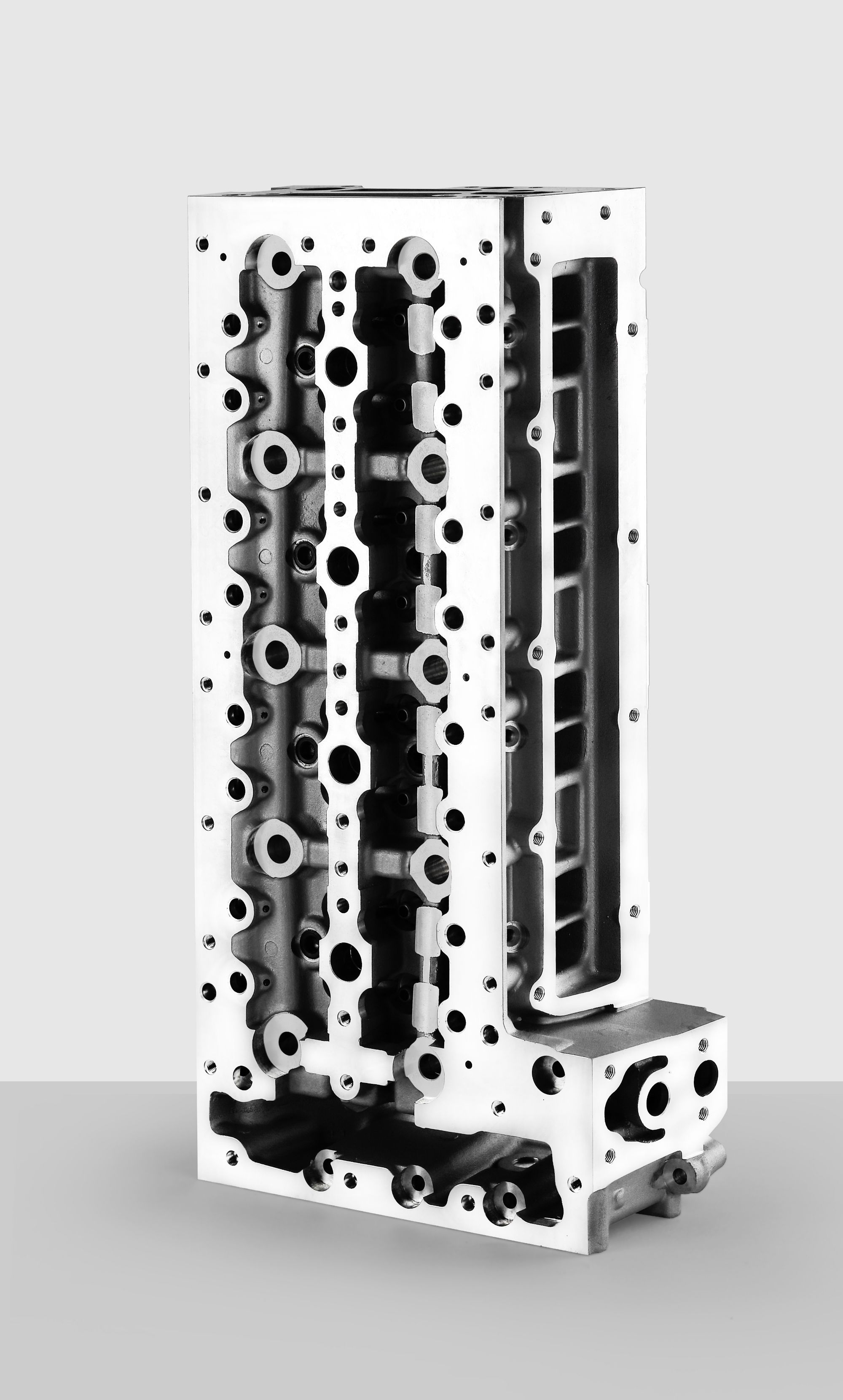
Choosing the right cylinder head isn't just about airflow numbers—it's about aligning the head's characteristics with how your engine actually behaves. A high-strung, high-RPM street/strip motor rewards heads with oversized intake ports and aggressive valve angles that come alive past 5,500 RPM. But bolt that same head onto a torquey, low-RPM truck engine, and you’ll lose velocity and drivability, turning your low-end grunt into a soggy disappointment. The head's personality, defined by its port volume, valve size, and combustion chamber shape, needs to mirror the engine's intended powerband and attitude.
Think about combustion chamber design in terms of attitude. A tight, fast-burn chamber with a slight quench pad suits an engine built for crisp throttle response and efficient cruising—it keeps the fire lit without demanding a ton of ignition lead. Conversely, an open chamber with a dished piston might soften compression but can tolerate more boost or a wilder cam without detonating. Matching these nuances to your engine's personality means asking what the engine loves: does it crave RPM, or does it dig in and pull from idle? Let the head's architecture compliment those instincts rather than fighting them.
Don't overlook the material's role in personality. Aluminum heads shed heat faster, letting you run a bit more compression or timing—perfect for a temperamental, high-output build that teeters on the edge of knock. Iron heads hold heat, stabilizing combustion in a workhorse engine that sees long sustained loads. That thermal character directly influences how the engine responds under your foot. It’s the difference between a sharp, responsive revver and a stubborn, torque-laden tractor. Get the match right, and the engine feels coherent, every component singing the same tune.
The Numbers That Actually Matter
Most metrics are noise dressed up as insight. The real story lies in the handful of digits that shift the trajectory—customer lifetime value, churn rate, net revenue retention. These aren't just dashboard ornaments; they're the pulse of whether you're building something people come back to, or just renting their attention.
What gets overlooked is how these numbers interact. You can double revenue per user, but if churn silently climbs from 3% to 7%, you're actually shrinking. Compound forces don't care about vanity. The numbers that matter are the ones that compound—silently, persistently, until they can't be ignored.
In practice, this means ignoring the temptation to track everything. Pick three metrics that tie directly to survival and growth. Then watch them religiously. Not because measurement solves problems, but because it reveals which problems are worth solving—and which are just distractions wearing a spreadsheet.
Pitfalls to Avoid During Installation
One common mistake is underestimating the importance of a level surface. Even a slight slope can cause misalignment over time, leading to uneven wear or operational noise. Before you even unbox anything, check the floor with a long spirit level and use shims if necessary. Taking an extra thirty minutes here can save you from a world of frustration down the line.
Another trap is disregarding the manufacturer's torque specifications. Many people rely on 'feel' when tightening bolts, but over-tightening can strip threads or warp components, while under-tightening invites instability. Borrow or buy a calibrated torque wrench and follow the manual like a recipe—no improvisation. The hardware might survive a bit of guesswork, but precision instruments and load-bearing joints absolutely need the correct tension.
Finally, never ignore environmental factors during the install. Temperature, humidity, and even dust can sabotage your work if you're not careful. For instance, placing sensitive equipment near HVAC vents or in direct sunlight can cause expansion and condensation issues. If the instructions specify a clean, climate-controlled space, that isn't just boilerplate advice—it's a prerequisite for long-term reliability.
Busting Myths About Aftermarket Heads
Many gearheads assume that aftermarket cylinder heads are a quick ticket to horsepower, but a deeper look reveals that gains depend heavily on the overall engine package. Slapping on a set of high-flow heads without considering cam timing, compression ratio, or intake design can actually hurt performance. It’s not magic; it’s engineering—every component must work together.
Another persistent myth is that all aftermarket heads are built better than factory ones. While premium units often feature superior materials and precision machining, budget-oriented options can suffer from poor quality control. Without proper inspection and machining, you might end up with casting flaws or valve seats that sink after heat cycles, costing you power and reliability over time.
Finally, the idea that bigger ports are always better is a trap. Excessively large intake runners can kill air velocity, especially in street-driven engines that don’t live at redline. This reduces throttle response and low-end torque, making the car feel sluggish. A well-chosen head with appropriately sized ports and a matched cam profile will almost always outperform a mismatched setup chasing peak flow numbers.
Keeping Your Investment in Top Shape
Regular maintenance might not be the most exciting part of ownership, but it’s the quiet engine behind lasting value. Think of it as a rhythm—small, consistent actions that prevent breakdowns before they even threaten to happen. From simple visual checks to seasonal tune-ups, each step you take now is a direct deposit into your asset’s long-term reliability and performance.
Problems often whisper before they shout. A slight vibration, a dull finish, or a subtle change in efficiency can all be early signs that something needs attention. By staying curious and observant, you learn to listen to what your investment is telling you. This proactive approach doesn’t demand technical expertise as much as a habit of noticing, and it can make the difference between a minor fix and a major expense down the road.
Of course, even the best care regimen benefits from outside perspective. Bringing in a professional for a thorough assessment once a year or at key intervals can uncover issues you might miss. These experts have the tools and trained eyes to catch wear patterns, alignment shifts, or internal inefficiencies. Pair that with your own daily awareness, and you create a protective shield that keeps your investment running smoothly and holding its worth.
FAQ
Aluminum heads dissipate heat faster than cast iron, which can allow for higher compression ratios and more aggressive timing without detonation. They also weigh significantly less, improving vehicle handling and acceleration.
Chamber size affects compression ratio. You'll need to calculate based on your engine's bore, stroke, deck height, and piston volume. Aim for a compression ratio that matches your camshaft and fuel octane.
Stock replacements maintain original specs but are lighter. Performance heads often have larger valves, improved port designs, and higher airflow for more power, but may require supporting mods like intake, cam, and headers.
They can be more prone to warping if overheated, require correct torque procedures and gaskets, and in some engines, you may need to run colder spark plugs or adjust ignition timing. Also, they're typically more expensive initially.
Port shape and volume dictate airflow. Modern CNC-ported heads can offer massive gains in mid-range and top-end power. For street use, you don't always need maximum flow; sometimes a balanced design gives better throttle response.
Fully assembled heads are ready to bolt on and come with valves, springs, and retainers already installed. Bare heads let you choose custom components but require assembly by a knowledgeable machinist. For most builders, assembled saves time and reduces hassle.
Stainless steel valves are common and durable. For high-performance or turbo engines, consider sodium-filled exhaust valves or titanium for lightweight and heat management. Valve size and stem quality also matter.
Ensure the head's flow characteristics complement the cam's duration and lift. A high-lift cam pairs well with heads that flow well at high lift. Also, match intake port shape and bolt pattern to your manifold to avoid mismatches.
Conclusion
Upgrading to an aluminum cylinder head can transform how your engine breathes, largely because aluminium dissipates heat far better than cast iron, allowing for more aggressive timing and higher compression without detonation. That thermal efficiency isn’t just about surviving hot laps—it directly feeds into how well the head complements your engine’s character. A torque-focused street build needs modest intake runners and chambers that promote swift, complete burn, while a high-winding screamer thrives on larger ports and valve sizes. Chasing peak flow numbers alone misses the point; you have to look at velocity, cross-sectional area, and how the head behaves at the valve lifts your cam actually sees. And none of that theoretical goodness matters if the installation goes sideways. Too many builds suffer from misaligned pushrod holes, overlooked spring bind, or deck surfaces that weren’t checked for flatness, turning a premium part into an expensive paperweight.
There’s also a quiet war of myths around aftermarket heads—the idea that they all leak, need constant re-torquing, or that ported stock castings always beat out-of-the-box aluminum—ignoring decades of foundry advances. In truth, a quality aluminum head from a reputable manufacturer rarely warps when treated right, and its weight savings alone eases front-end handling. Longevity boils down to simple rituals: periodic valve-lash checks, using the correct coolant mix to fend off galvanic corrosion, and resurfacing only when truly necessary. Treat the head as a precision instrument rather than just another chunk of metal, and it will repay you with consistent power whether you’re merging onto the highway or chasing a sunset on a canyon road.
Contact Us
Contact Person: Shelly
Email: [email protected]
Tel/WhatsApp: 8613967667688
Website: https://www.yongyu.com/