

Aluminum Parts Supplier: Selecting the Ideal Manufacturing Partner for Precision Components
2026-06-26
Finding the right aluminum parts supplier can make or break your precision component project. You’ve probably run into promises that sound too good to be true, only to deal with missed tolerances or delayed shipments. At DDR, we cut through that noise by combining technical rigor with hands-on collaboration—so your designs become flawless realities, not just nice blueprints. Let’s explore what separates a true manufacturing partner from a simple vendor, and why that choice matters more than you might think.
Understanding the Nuances of Precision Aluminum Manufacturing
Precision aluminum manufacturing is often portrayed as a purely mechanical process, but those deeply involved know it’s a blend of art and science. The real subtlety lies in how the metal behaves under different stresses—thermal expansion, tool pressure, and even the ambient temperature of the workshop can shift tolerances by microns. Experienced machinists develop an intuition for these variables, adjusting feeds and speeds not just by the handbook, but by the sound of the cut and the feel of the machine. This human element is rarely discussed in technical literature, yet it’s what separates a functional part from a flawless one.
Another overlooked nuance is the material’s own history. Aluminum alloys come with inconsistent grain structures from the mill, and even within a single billet, hardness can vary. A batch of 6061-T6 might look identical on paper, but subtle differences in quenching rates or aging times during production create unique machining personalities. Smart shops track these lot-to-lot variations and adjust programs accordingly, sometimes even remapping toolpaths for high-value components. It’s a constant dialogue between the machinist and the metal, where the blueprint is just a starting point.
Then there’s the finish work, which is often misunderstood. Deburring and surface treatment aren’t just cosmetic steps; they’re critical for fatigue resistance and sealing surfaces. A poorly broken edge can concentrate stress and lead to premature failure, while an over-polished bore might ruin a press fit. The trick is knowing where to be obsessive and where to let the tool marks stay—a judgement call that comes from understanding the part’s final life, not just the drawing. In precision work, these decisions are never generic; they’re tailored to each component’s soul.
Capabilities That Go Beyond Basic Machining
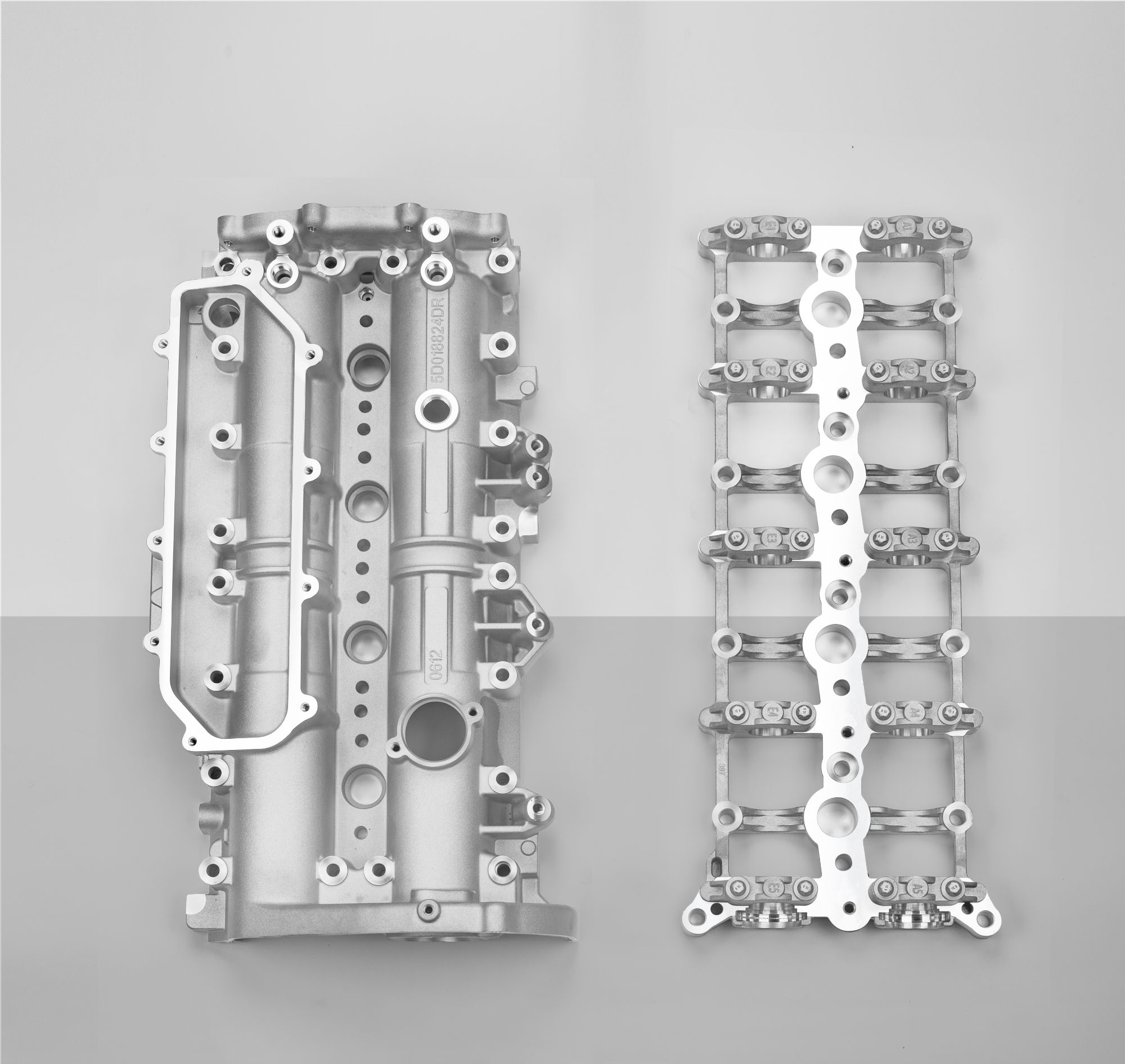
Precision engineering demands capabilities that stretch well beyond standard turning and milling. We integrate multi-axis machining centers with live tooling, allowing us to produce complex geometries—undercuts, asymmetrical contours, and deep cavities—in fewer setups. This not only tightens tolerances but preserves the integrity of delicate features that would be compromised by repeated fixturing. Our approach minimizes cumulative error, ensuring that even the most intricate components meet print without deviation.
Material expertise forms another layer of advanced capability. Beyond common alloys, we routinely machine high-temperature superalloys, hardened tool steels, and engineered polymers—each with its own toolpath strategy and cutting parameters. We’ve developed proprietary techniques for maintaining surface finish and dimensional stability when working with challenging materials, eliminating the need for secondary grinding in many cases. This know-how is paired with in-house finishing processes like anodizing and passivation, creating a consolidated workflow that reduces lead time and prevents supply chain fragmentation.
Perhaps most critically, we offer design-for-manufacturability feedback that evolves beyond simple feasibility checks. Our engineers collaborate from the concept phase, suggesting alternative geometries, tolerancing refinements, or material substitutions that enhance functionality while reducing cost. Whether it’s lightweighting a bracket without sacrificing strength or merging multiple components into a single machined part, these insights come from years of confronting real-world production challenges—not generic guidelines. It’s this blend of technical depth and practical creativity that transforms a drawing into a truly optimized solution.
Why Material Knowledge Matters in Component Design
Every material carries its own personality—stiffness, thermal behavior, fatigue limits—and ignoring these traits invites failure. A designer who truly grasps how aluminum fatigues under cyclic loads or how polymers creep over time can shape components that outlast their peers. Without this insight, even a promising geometry can fracture quietly, long before anyone expects it.
Beyond durability, material awareness unlocks smarter manufacturing. Knowing how a given alloy flows in a mold or how a composite cures means fewer scrapped prototypes and less shop-floor friction. It’s not about memorizing data sheets; it’s about sensing where a material will resist your process and working with that tension instead of against it.
Cost is often the loudest voice in the room, but material knowledge silences the false economics. Swapping a cheaper metal without accounting for corrosion or machinability often leads to hidden rework and early replacements. Thoughtful selection balances upfront price with lifecycle performance, giving you a design that doesn’t just look good on paper but behaves well in the real world.
The Role of Quality Assurance in Long-Term Partnerships
When businesses commit to a long-term collaboration, quality assurance quietly shifts from a checklist of tests to a shared language. It’s not just about spotting defects before a launch—it’s the ongoing practice of aligning expectations on both sides. Over months and years, QA becomes the thread that weaves reliability into the partnership, turning occasional fixes into a steady rhythm of refinement. Partners begin to trust that what’s delivered won’t just work today, but will hold up as things evolve.
The real strength surfaces when things don’t go according to plan. A solid QA process doesn’t avoid every hiccup, but it catches them early and surfaces them without drama. In a mature partnership, this means honest, direct feedback replaces blame. Teams learn each other’s weak spots and blind spots, adapting test approaches to preempt the issues that history suggests will crop up. That kind of accumulated knowledge can’t be rushed or faked—it’s built through repetition and the confidence that comes from solving problems together.
Over time, quality assurance also shapes how partners talk about progress. Instead of vague promises, conversations turn on concrete evidence: recent test coverage, performance trends, actual user feedback loops. This shifts the dynamic from delivering features to delivering value that lasts. It’s not uncommon for a QA team to spot a pattern that saves a partner from a costly downstream mistake—something that happens not because of any single audit, but because they’ve been paying attention across dozens of releases. In that sense, QA becomes the institutional memory that keeps the partnership steady and forward-looking.
Tailored Solutions: When Off-the-Shelf Just Won't Do
Every business operates in its own unique way, with distinct workflows, customer expectations, and market pressures. Generic software can handle the basics, but it often forces you to adapt your processes to its limitations rather than the other way around. This mismatch leads to workarounds, manual steps, and frustrated teams who spend more time wrestling with the tool than actually moving the needle.
Tailored solutions flip that dynamic. Instead of squeezing your operations into someone else's box, you get a system built to mirror how you actually work. Whether it's integrating with legacy systems, automating niche reporting, or supporting industry-specific compliance needs, a custom approach ensures the technology serves your goals without compromise. The result is a smoother workflow, happier staff, and the agility to pivot as your business evolves.
Perhaps most importantly, a solution made for you grows with you. Off-the-shelf products can become a bottleneck when your ambitions outstrip their feature set. Custom development means you can add capabilities incrementally, test new ideas, and scale without hitting a wall. You're not just buying software; you're investing in a foundation that adapts to tomorrow's challenges.
Evaluating the Track Record of a Potential Partner
Taking a closer look at a potential partner’s history can reveal patterns that aren’t immediately obvious. You want to examine how they’ve navigated both successes and setbacks—have they shown consistency during challenging times, or does their performance wobble when conditions shift? A steady upward trajectory, even with occasional dips, often signals resilience and adaptability, qualities that matter far more than a spotless record.
It’s not just about numbers on a spreadsheet. Talk to people who’ve worked alongside them—former collaborators, clients, or even competitors. Honest conversations can uncover whether they delivered on promises or left a trail of unmet expectations. Pay attention to how they handled disagreements or failures; someone who owns their mistakes and learns from them is infinitely more valuable than someone who deflects blame.
Think beyond the obvious metrics. Did they contribute to the growth of others in their field? Have they shared knowledge or mentored quietly without seeking credit? These subtle signs often point to a partner who genuinely invests in mutual success rather than just padding their own resume. A track record isn’t a static thing—it’s a story of growth, integrity, and the quiet moments that define long-term reliability.
FAQ
Look at their track record with similar projects, quality certifications like ISO 9001 or AS9100, and their investment in advanced CNC machining and inspection equipment. It's also wise to assess their material sourcing capabilities and whether they can provide material certifications for traceability.
Request sample parts or a first-article inspection report that demonstrates their measurement processes, such as CMM reports. Ask about their standard tolerance range and what tight tolerance means in their context—some shops consider ±0.001" routine while others push to ±0.0002". Also, check if they perform in-process inspection.
Inquire about the specific surface finishes you need—anodizing, iridite coating, powder coating, etc.—and whether these are done in-house or outsourced. If outsourced, ask how they qualify their finishing partners. Also discuss masking requirements for critical surfaces and how they maintain consistency across batches.
It can be a dealbreaker. Beyond the standard quoted lead times, ask about their capacity to handle rush orders or adjust schedules. A partner who maintains some buffer capacity and can communicate honestly about delays will help you avoid production downtime. Discuss their approach to managing supply chain disruptions.
The supplier should demonstrate expertise in handling complex geometries with multiple setups, including 5-axis machining if needed. Their engineering support before production—DFM feedback, tooling recommendations—is often a sign of maturity. Look for whether they use simulation software to avoid issues and how they manage chip evacuation in deep features.
Having robust sourcing means they are less likely to face material shortages that delay your orders. A supplier that stocks commonly used aluminum grades can significantly shorten lead times. Additionally, if your project requires material with specific mill certifications, their established relationships with mills ensure traceability and quality consistency.
Conclusion
Finding a supplier for precision aluminum components means looking far beyond a list of machines. The best partners immerse themselves in the nuances of aluminum manufacturing, from grain structure effects on machinability to the subtle differences between 6061 and 7075 alloys. They understand that material knowledge is not just a datasheet reference but a critical input to component design, preventing issues like warping, cracking, or corrosion before they ever reach the shop floor. This depth of expertise, combined with machining capabilities that extend to complex 5-axis work, tight tolerances, and secondary finishing, separates true manufacturing allies from simple job shops. Quality assurance isn't a final inspection step; it's woven into every stage, with rigorous process controls, material traceability, and a mindset geared toward zero-defect delivery, which directly impacts the longevity and reliability of the partnership.
When standard parts fall short, a supplier's ability to craft tailored solutions becomes invaluable. It's about collaborative engineering support, where design for manufacturability feedback, prototyping agility, and a willingness to refine processes until the part performs exactly as needed replace the one-size-fits-all catalog approach. Evaluating a potential partner thus moves beyond glossy brochures to a close look at their track record: how they've handled complex, high-stakes projects; their consistency in meeting delivery schedules; and the health of their long-term client relationships. Ultimately, the ideal aluminum parts supplier acts as an extension of your own team, bringing material insight, precision manufacturing rigor, and a commitment to solving problems rather than just filling orders, ensuring that every component—whether a single prototype or a high-volume run—meets exacting standards.
Contact Us
Contact Person: Shelly
Email: [email protected]
Tel/WhatsApp: 8613967667688
Website: https://www.yongyu.com/